
Webinars (old)
A Tale of Two Streps: Breaking Down Streptococcus equi
A Tale of Two Streps: Breaking Down Streptococcus equi Dr. Mark Yacoub, Ph.D. Streptococcus equi is a Gram-positive, β-hemolytic bacterium of major importance in veterinary medicine, particularly in equine health. As a member of the Streptococcus genus, it is closely...

Growing Microbial Insight for Endangered Species Care
Growing Insight into the Microbiome of the Endangered: IUCN-Listed Patients in the MiDOG Lab A look at the rare patients sequenced through MiDOG and an invitation to the clinicians, conservation programs, and field veterinarians helping us grow the record, sample by...
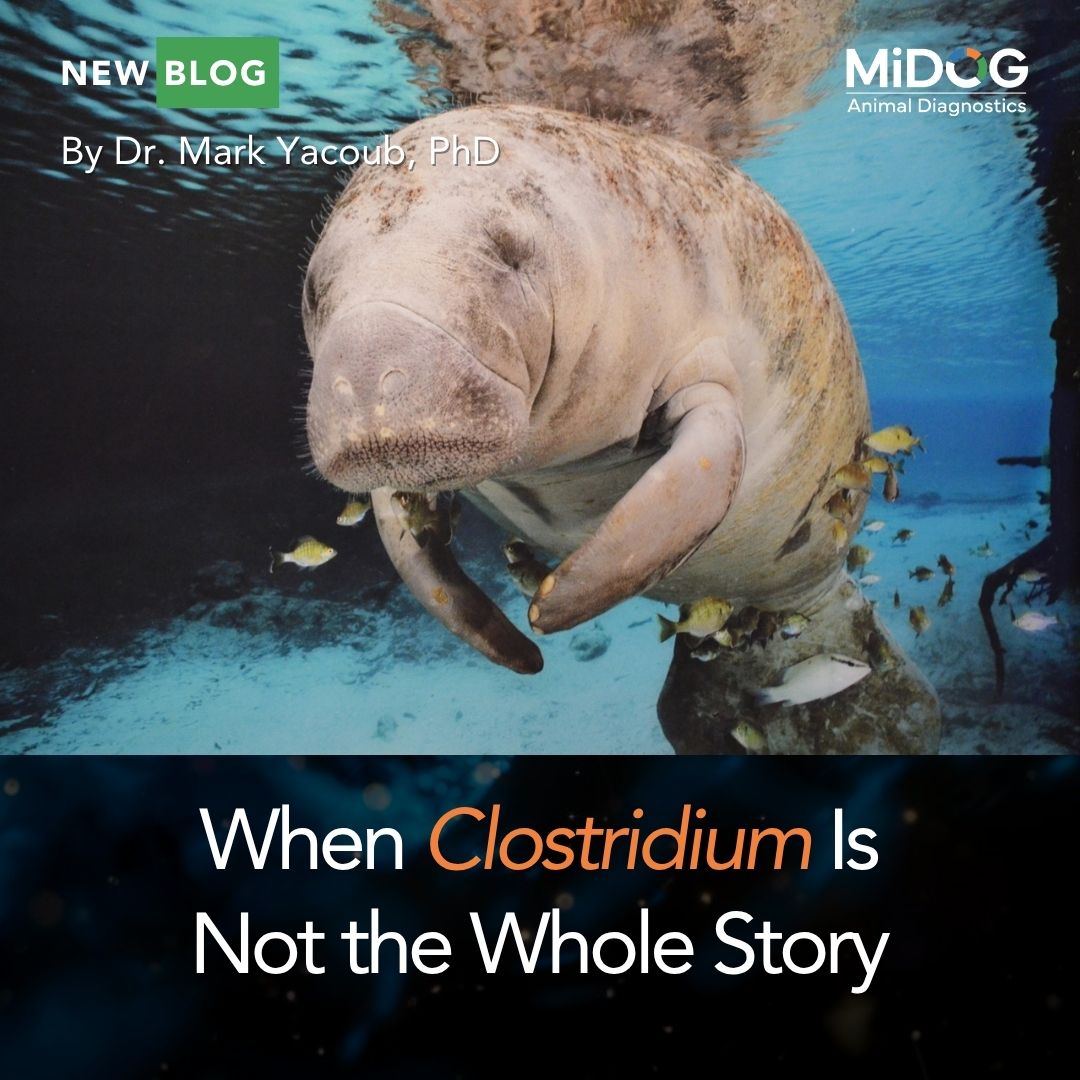
Clostridium Infections in Manatees: Why Toxin Detection Matters
Clostridium Infections in Manatees: Removing the difficulty out of C. diff. toxin diagnostics using the new All-in-One test By Mark Yacoub, PhD Clostridium/Clostridioides is an emerging and often underrecognized pathogen in aquatic mammals, including manatees. As...
When “Fungal” Isn’t Fungal: Recognizing Pythium insidiosum in Veterinary Patients
By Dr. Aiswarya Prasad At MiDOG Animal Diagnostics, we often encounter pathogens that highlight the diagnostic complexity of infectious disease in veterinary medicine. One such organism is Pythium insidiosum, which causes pythiosis, a severe and often life-threatening...

Solving the Rabbit Neurology Puzzle: Genomic Detection of Encephalitozoon cuniculi
Solving the Rabbit Neurology Puzzle: Genomic Detection of Encephalitozoon cuniculi By Mark Yacoub, PhD At MiDOG Animal Diagnostics, we recently identified the microsporidian pathogen Encephalitozoon cuniculi from a rabbit urine sample using next-generation sequencing...

How Biofilms and Intracellular Bacteria May Contribute to Recurrent UTIs in Dogs
By Xueyan Xu, Ph.D. Urinary tract infections (UTIs) in dogs most commonly result from ascending bacterial infection of the lower urinary tract. Female dogs are affected more frequently than males, and typical clinical signs include pollakiuria, dysuria, stranguria,...
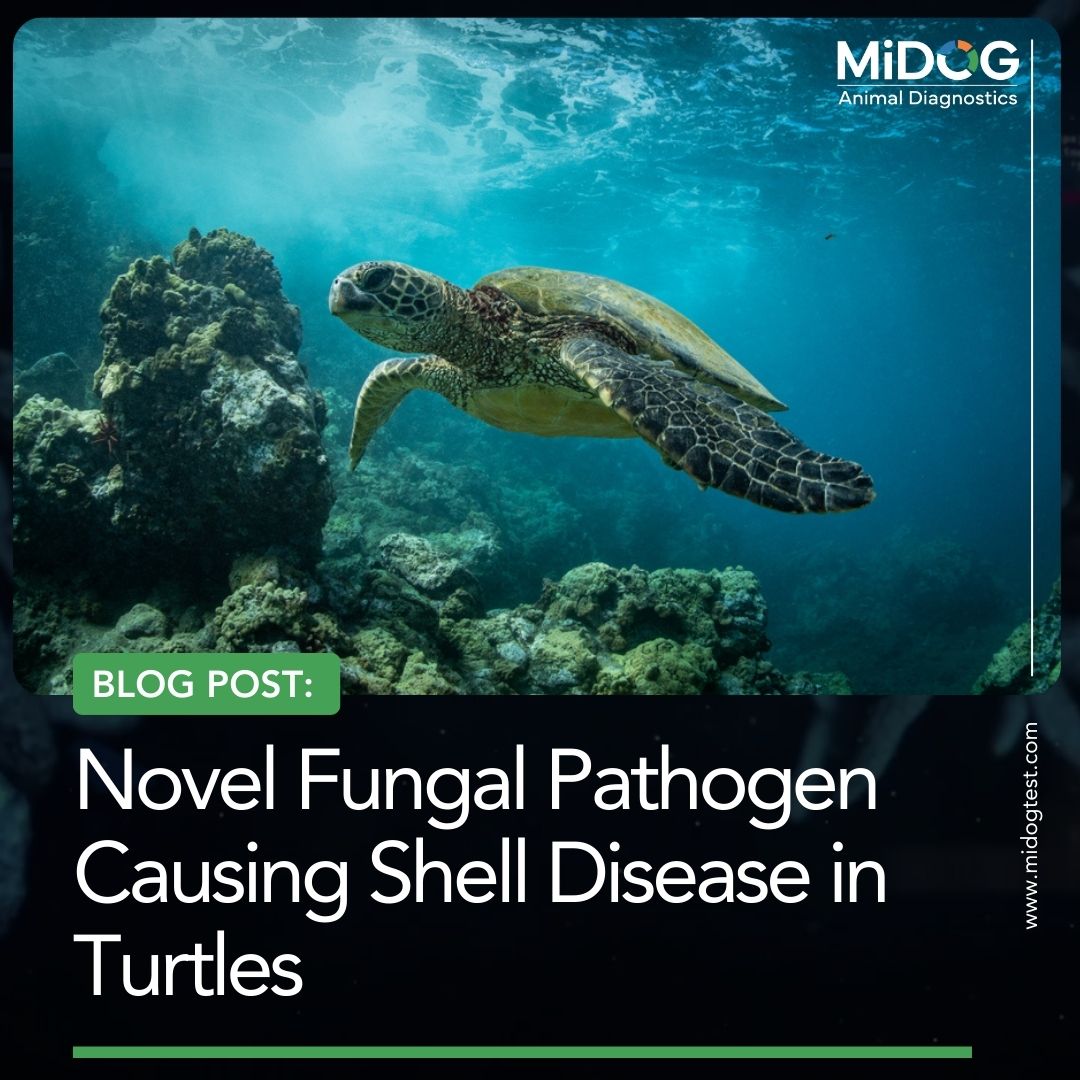
Novel Fungal Pathogen Causing Shell Disease in Turtles
By Xueyan Xu, Ph.D. In October, MiDOG received samples from roughly 20 turtles across the country suffering from unexplained shell infections. Next-generation sequencing (NGS) revealed that all samples contained high levels of a fungal species belonging to the genus...

MiDOG Releases First Set of Parasite Reference Genomes
Understanding parasites has long been one of the most persistent blind spots in veterinary diagnostics. While bacteria and fungi have benefited from decades of genomic cataloging, parasites, particularly those impacting household pets, zoo species, and wildlife, have...

Mysterious Death of a Songbird Reveals a Novel Coxiella Species
By Xueyan Xu, PhD When a colorful passerine bird, the Violaceous Euphonia (Euphonia violacea), mysteriously died at a US Zoo, the cause wasn’t clear. Veterinarians noticed severe brain lesions and sent tissue samples to MiDOG for Next-Generation Sequencing (NGS)...
Leptospirosis Outbreak in California Sea Lions: What Pet Owners Should Know
September 18, 2025 By Xueyan Xu, Ph.D. A major outbreak of kidney disease called leptospirosis has affected more than 200 California sea lions this year. Caused by the bacterial genus Leptospira, the disease has a high mortality rate in sea lions. One unusual sign is...

Dr. Mark Yacoub Wins Outstanding Presentation Award for Groundbreaking Cryptosporidium serpentis Genome Research
MiDOG is proud to announce that Dr. Mark Yacoub, PhD, has been awarded the Outstanding Presentation Award at the prestigious Microbial Dark Matter Symposium. This recognition underscores MiDOG’s role in advancing next-generation sequencing (NGS) as a powerful tool for...
Diagnosing the Depths: How Next-Generation Sequencing Reveals Hidden Microbial Communities in Sea Lions with Abscesses
When it comes to treating infectious diseases in marine mammals, like sea lions, traditional diagnostic methods can fall short, particularly when dealing with complex infections like abscesses. These lesions are often polymicrobial, involving a combination of...
What’s up Doc?: Tackling Encephalitozoon cuniculi in Rabbits
By Dr. Mark Yacoub, PhD Encephalitozoon cuniculi is an obligate intracellular fungal pathogen that infects a wide variety of hosts, including rabbits, and is a significant cause of morbidity and mortality in these animals. E. cuniculi is a microsporidian, a group of...
Understanding Corynebacterium pseudotuberculosis in Small Ruminants: Symptoms, Diagnosis & the Power of NGS
Key Characteristics of CL Caseous lymphadenitis (CL) is a chronic disease that has created significant economic loss in farmed small ruminants for centuries. The term "caseous" comes from the cheese-like consistency of the pus. It is caused by Corynebacterium...

Genomic First: MiDOG Uncovers New Castellaniella Species in Critical Respiratory Case
When two dogs presented with severe, ultimately fatal respiratory disease, the clinical team turned to MiDOG for help identifying the causative agent. What followed was not only a landmark diagnostic effort but also a scientific breakthrough. In a collaboration...
Characterization of nasal cavity microbiome from healthy rabbits (Oryctolagus cuniculus domesticus) using next-generation DNA sequencing and geographically specific bacterial and fungal differences
Uncovering the Rabbit Nasal Microbiome: A New Frontier in Exotic Animal Health Understanding the unseen to treat what’s visible, that’s the promise behind microbiome science. And in the case of rabbits, that promise just leaped forward. A newly published peer-reviewed...
A Preliminary Investigation of the Gastrointestinal Bacterial Microbiomes of Barred Owls (Strix varia) Admitted to a Wildlife Hospital
Co-authored by Dr. Haerin Rhim, Dr. Maria G. Aguilar, Dr. Kimberly L. Boykin, Dr. Kaylie Zapanta, Dr. Janina Krumbeck, and Dr. Mark A. Mitchell Published in MDPI Animals | May 2024 New study co-authored by MiDOG scientists reveals how antibiotic use in wildlife...
The Cutaneous Microbiota and Nannizziomycosis in Bearded Dragons
The cutaneous microbiota and Nannizziomycosis in bearded dragons (Pogona vitticeps): Associations between infectious Nannizziopsis species and common bacterial pathogens By K. Zapanta, M. Kavanagh, K. Keller, L. Nguyen, W. Rosenkrantz, J. A. Krumbeck At MiDOG, we...
Atopic Dermatitis in Dogs: Microbiota Disruption and the Transformative Role of Next-Generation Sequencing
Atopic dermatitis (AD) is a common and often frustrating skin condition in dogs that may finally be yielding its secrets thanks to a powerful new diagnostic tool that goes far beyond traditional testing- Next-generation sequencing (NGS). NGS can accurately profile the...
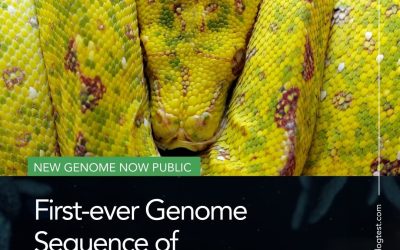
First Genome of Cryptosporidium serpentis Unlocks New Era in Exotic Animal Diagnostics
Advancing Veterinary Science Through Whole Genome Sequencing In a major leap forward for microbial diagnostics and exotic animal health, MiDOG has completed and published the first genome sequence of Cryptosporidium serpentis - a dangerous parasite that poses a...
Outsmarting C. diff in Livestock: The Power of NGS Over Culture Testing
Combatting Clostridioides difficile (C. diff) Infection in Livestock: Why Next-Generation Sequencing Is the Better Choice for Detection and Treatment Compared to Culture Testing Clostridioides difficile (C. diff) is a significant pathogen in both human and veterinary...
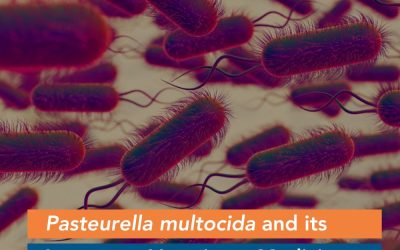
Pasteurella Multocida and its Impact on Veterinary Medicine
Key takeaways: Pasteurella multocida is a zoonotic bacterial pathogen capable of causing disease in a wide range of animals. The species consists of multiple sub-species or serogroups with different host ranges and treatment susceptibilities. Next Generation...
MiDOG’s Next-Generation Sequencing (NGS) is Revolutionizing Animal Infection Testing and Combating Antibiotic Resistance
Antibiotic resistance is a growing concern in veterinary medicine, with traditional animal infection testing methods often failing to deliver rapid, precise diagnoses. Broad-spectrum antibiotics are frequently prescribed while waiting for culture-based results, which...

Using Fecal Microbiome Testing to Revolutionize Canine Gut Health
In this week’s blog post: Advanced Gut Health Insights: Next-generation sequencing (NGS) provides a comprehensive analysis of a dog's gut microbiome, allowing early detection of gastrointestinal (GI) disorders like inflammatory bowel disease (IBD) and food...
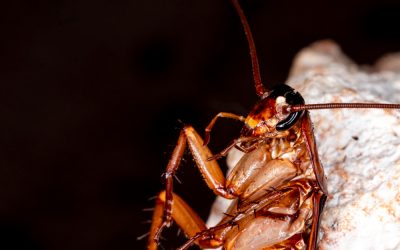
Bugged Out: How Pathogens Are Affecting Your Pet’s Favorite Snacks – and How to Protect Them
The feeder insect industry plays a vital role in the pet trade, particularly for reptile and amphibian enthusiasts who rely on insects like crickets and roaches as a primary food source for their pets. As demand for feeder insects grows, the industry, valued in the...

Glowing Threats: The Bioluminescent Bacterium Behind Marine Disease
Key takeaways: Vibrio harveyi is a bioluminescent bacterial pathogen of marine fish, crustaceans, and mollusks. The disease symptoms are indistinct, and the bacterium’s growth is slow, complicating traditional culture-based diagnostic techniques. Next Generation...
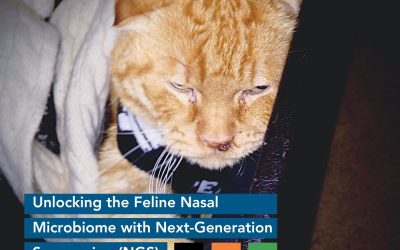
Unlocking the Feline Nasal Microbiome with Next-Generation Sequencing (NGS): A New Frontier in Treating Respiratory Illnesses
Respiratory illnesses have long been a common concern for our beloved feline companions. From mild upper respiratory infections to chronic conditions like asthma and rhinitis, these issues can significantly impact a cat’s well-being. While traditional diagnostic...
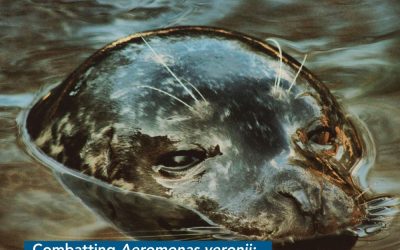
Harnessing Next-Generation Sequencing to Combat Aeromonas veronii Infections in Marine Mammals Exposed to Contaminated Water
Marine mammals, like seals, dolphins, and whales, are vital components of the ocean’s ecosystem. However, these charismatic creatures face increasing threats from pollution, which can expose them to harmful pathogens. One such pathogen, Aeromonas veronii, is a...
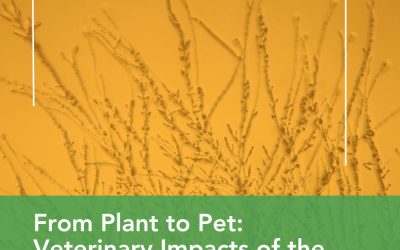
From Plant to Pet: Veterinary Impacts of the Pathogenic Fungus, Fusarium
Fusarium species are a group of filamentous fungi widely recognized for their pathogenicity in agriculture, where they primarily infect crops like corn, wheat, and barley. These fungi exhibit typical fungal morphology, characterized by septate hyphae, conidia (asexual...
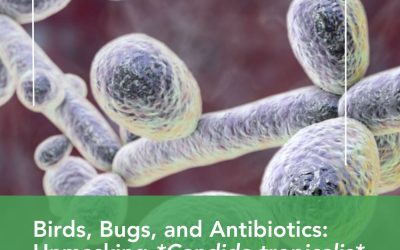
Birds, Bugs, and Antibiotics: Unmasking *Candida tropicalis* in Feathered Friends Near Farms & Livestock – What Pet Owners and Vets Should Know
Antibiotic resistance is a growing concern in both human and veterinary medicine, but did you know that birds living near livestock may also be at risk? One of the lesser-known culprits is Candida tropicalis, a yeast species that can reside in the oral microbiome of...
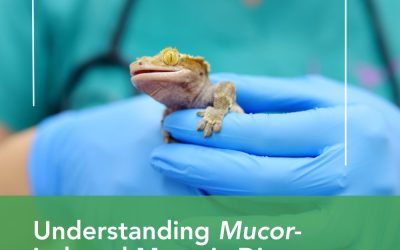
Understanding Mucor-induced Mycotic Disease in Reptiles: What Reptile Owners and Vets Need to Know About Mycotic Infections
Mycotic diseases in reptiles are an emerging concern, with one of the key fungal culprits being the genus Mucor. These opportunistic fungi can cause devastating infections, especially in reptiles with weakened immune systems or those living in environments with poor...
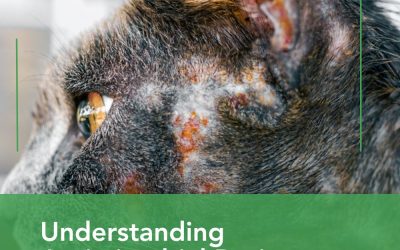
Understanding Antimicrobial Resistance in Fungal Infections
Introduction Antimicrobial resistance (AMR) is a growing concern in both human and veterinary medicine, particularly when it comes to fungal infections. As these infections become increasingly prevalent and challenging to treat, understanding the mechanisms behind AMR...

Candida auris in Veterinary Practice: Key Insights for Diagnosis and Management
While overlooked compared to viruses and bacteria, fungal diseases are globally on the rise in animals. These diseases can be difficult to diagnosis and treat due to non-distinct symptoms and their ability to evade detection and treatment. To make matters worse, some...
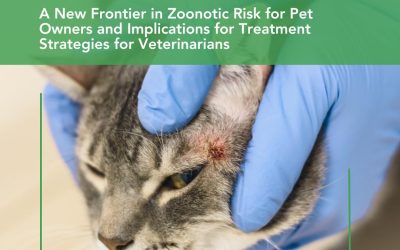
Streptococcus canis on Feline Skin: A New Frontier in Zoonotic Risk for Pet Owners and Implications for Treatment Strategies for Veterinarians
Cats, beloved companions to millions, often enjoy close interactions with their owners, from playful cuddles to snuggly naps. While these interactions are what make us love cats most, they also present potentially dangerous opportunities for the transmission of...
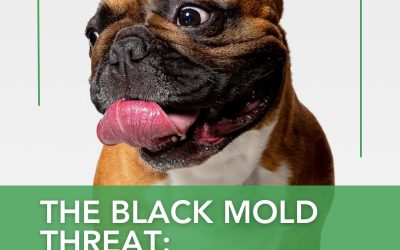
The Black Mold Threat: Protecting Pugs, Bulldogs, and Other Flat-Faced Breeds from Respiratory Infection Caused By Stachybotrys chartarum
When it comes to caring for dogs, particularly those with flat noses like French Bulldogs, Pugs, or Boxers, respiratory health is often at the forefront of concern. These brachycephalic (flat-faced) breeds are predisposed to breathing difficulties due to their unique...

Mycoplasma Mysteries in Rabbits: How Insights from Next-Generation Sequencing of Mycoplasma Could Redefine Respiratory Care in Rabbit Noses
Respiratory diseases in pet rabbits are a significant concern for veterinarians, with bacterial infections often being the primary culprits. Historically, Mycoplasma taxa are among the most insidious pathogens implicated in respiratory diseases in rabbits. Mycoplasma...

Unmasking Staphylococcus: How These Common Bacteria Lead to Pneumonia and Bronchitis in Dogs
When we think of respiratory infections in dogs, bacteria like Staphylococcus may not be the first culprits that come to mind. However, these sneaky pathogens, commonly found on the skin and mucous membranes, can wreak havoc on your dog's lungs, leading to serious...

Don’t Let Salmonella Sink Your Dog’s Health!
Understanding Salmonella infections in dogs, and what veterinary professionals and dog owners need to know Salmonella is a genus of bacteria that is commonly associated with foodborne illnesses in humans- BUT, did you know it also poses a significant health risk to...
Microscopic Menace: Unraveling the Mystery of Mycobacterium Fortuitum in Pets and What Veterinarians Need to Know
Mycobacterium fortuitum is a rapidly growing nontuberculous mycobacterium (NTM) that is often overlooked as a pathogen. However, M. fortiutum has become increasingly recognized in veterinary and medical fields due to its association with a variety of infections in...

Valley Fever in Dogs: Current Status, Presentation, and Diagnostic Advances
Valley Fever, also known as coccidioidomycosis, is an emerging concern for veterinarians in the United States, particularly in regions with arid climates such as California. Current Status of Valley Fever in Dogs Valley Fever is caused by the soil-dwelling fungi...

From Skepticism to Revolution: From Koch’s Foundations to the Promise of Next-Gen Sequencing in Disease Diagnosis
Robert Koch's postulates, introduced in the late 19th century, were initially received with a mix of skepticism and gradual acceptance. Here’s a detailed look at the historical context and the reception of his groundbreaking work: Background and Introduction Robert...

Understanding Eye Infections in Turtles: Pathogens, Challenges, and Solutions
Eye infections in turtles can present a variety of symptoms, including puffiness, swelling, and redness. Identifying the underlying cause is crucial for effective treatment. While injuries and water quality issues are common culprits, diagnosing specific pathogens can...
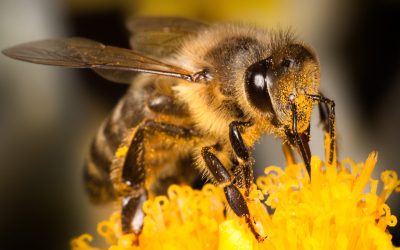
Exploring the Microbiome of Bees: Unveiling the Crucial Nexus of Bee Health and Ecosystem Stability
In recent years, the buzz about bees has taken on a more somber tone as the decline in their populations emerges as a global concern. This decline, intricately linked to the delicate balance of ecosystems, highlights the vital role bees play as pollinators. From the...

Exploring the Panda Gut Microbiome: Bacteria, Fungi, Protists, and Viruses Unveiled
Pandas, with their captivating black and white fur and gentle demeanor, have enamored people worldwide. Yet, beneath their charming exterior lies a captivating realm of microbial diversity within their gut. In this study, we delve deep into the intricate ecosystem of...

The Impact of Living Near Industrial Areas on Bird Microbial Health
The Impact of Living Near Industrial Areas on Bird Microbial Health Birds are resilient and adaptable animals that play a critical role in our ecosystem, contributing to pollination, seed dispersal, and insect control. However, these feathered marvels are not immune...

The Importance of Considering Antimicrobial Resistance When Treating Animals
Antibiotics have become the cornerstone of treatment for infections in veterinary medicine. They have been widely used as life-saving treatments for our pets suffering from infectious diseases! But, with the rise of antibiotic administration to pets, a global crisis...

Dermatophytosis in Hedgehogs
More than one-third of hedgehogs with dermatophytosis cases were asymptomatic in a 2016 study. [1] Learn more about this sneaky skin infection and how to diagnose it effectively using ITS region sequencing. Dermatophytosis (also known as ringworm) is a common fungal...

Effective Treatment Options for Bumblefoot in Rodents and Small Exotic Animals: A Comprehensive Guide
Bumblefoot (pododermatitis) is a skin infection on the feet of small pets like guinea pigs, rats, hamsters, ferrets, rabbits, and chinchillas. Here’s what you need to know about treating bumblefoot effectively and confidently in small exotic pets. What are the symptoms of bumblefoot in small exotic animals? In the early stages of bumblefoot, noticeable signs include swelling and redness on the footpad. A characteristic feature is the emergence of a swollen, pus-filled bump, which is often accomp

Bumblefoot in Birds and Chickens: Understanding the Causes, Symptoms, and Treatment Challenges
Bumblefoot, also known as pododermatitis, is a common infection in captive birds and chickens that can be unassuming but fatal if left untreated. This article aims to provide a comprehensive guide on how to effectively treat bumblefoot in avian patients. We will delve into: What causes bumblefoot? What are the stages of bumblefoot symptoms? FAQ for pet owners on bumblefoot in birds FAQ for pet owners on bumblefoot in chickens Why can bumblefoot treatment be difficult? Causes of bumblefoot Bumble

Canine Respiratory Illness 2023 – Microbiome Diagnostic Tests Could Help Identify the Cause
A mysterious canine respiratory illness has been infecting thousands of dogs in at least 14 states in the US (Colorado, California, Florida, Georgia, Idaho, Illinois, Indiana, Pennsylvania, and Washington) causing a cough, runny eyes, and sneezing, and has even led to death in some rare cases! What is the cause of this mysterious disease? It may be bacterial or viral. However, it does not respond well (if at all) to traditional treatments, like antibiotics. According to Dr. Scott Weese of Ontari
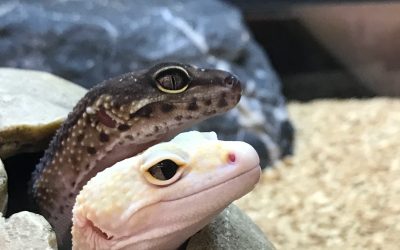
Treating Bacterial Conjunctivitis: Leopard Gecko Eye Infection Diagnoses
In a retrospective study, 52 out of 112 leopard geckos had an eye infection such as conjunctivitis. [1] Here’s what you need to know about bacterial conjunctivitis, or pink eye, in leopard geckos. Leopard geckos are popular pocket pets because of their large, colorful eyes. However, captive leopard geckos are extremely likely to develop an eye infection because of their unique eyelid structure. Most geckos have spectacle eyelids, whereas leopard geckos have crinkled eyelids that are fully moveab

Pet-Proofing Your Home for Halloween: A Vet’s Checklist to Pet Safety
As a care provider, here’s what you can do to prepare your clinic for emergency pet care on the Night of Fright.

Benefits of Next-Generation Sequencing in Veterinary Dermatology, According to Dr. Richard Harvey
About Dr. Richard Harvey Dr. Richard Harvey earned his degree from the University of Bristol School of Veterinary Science in 1978. Following his graduation, he gained experience working in both mixed and small animal practices. He furthered his education by attaining...
Dr. Richard Harvey and His Veterinary Journey as a Dermatology Specialist – MiDOG Interview Part 2
This is part 2 of our exclusive interview with Dr. Richard Harvey. The first part covered Next-Generation Sequencing in Veterinary Medicine which can be found here. Part 2 will be covering questions for Dr. Harvey that are a little more personal and career-oriented for us and our audience to get to know him a little bit better and shed light on his background, interests, and veterinary journey experience. A Look Into Dr. Harvey’s Veterinary Journey To start off, could you share with us your jour

Optimizing Treatment for Nasal Infections in Pet Bunnies: Rabbit Chronic Rhinosinusitis
Is the Nasal Microbiome the Secret to Treating Nasal Infections in Pet Bunnies? Did you know that one of the most common illnesses in pet bunnies has to do with arguably the cutest part- their nose? That’s right, bunny noses are actually more susceptible to infection...

Dolphin GI Infections: Diagnose & Treat Gastrointestinal Infections in Cetaceans
Like humans and other vertebrate species, marine mammals are prone to a variety of ailments, including gastrointestinal (GI) infections, which sometimes occur when environmental stressors compromise the immune system. These charismatic megafauna, especially dolphins, have been well studied because of their presence in managed care facilities and wild stocks worldwide. Like most wild species, marine mammals are skilled at masking disease signs to prevent predation and help prolong survival. In fa

World Rabies Day 2023: What to Know About Rabies for All Pets
Rabies is a deadly disease that can impact anyone, not just your furry friends! It is a zoonotic infection, meaning that it is transmitted between animals, and animals can pass it on to humans. World Rabies Day is celebrated to bring awareness to this fatal infection and the importance of staying up to date with pet vaccination records to prevent its spread to you and the pets you care for! The World Rabies Day 2023 theme is “All for 1, One Health for all” to share the idea that rabies infects m

Ringworm in Guinea Pigs: Bald Spots, Scratching, and the Road to Relief
Guinea pigs are very social creatures with a host of emotions packed into little bodies. They make wonderful pets for children or adults and will show you their appreciation with a variety of chirps and squeals when they’re excited and happy. Think of them as tiny Siberian Huskies; heightened emotional states and are very vocal about them. When you first brought little Wilbur home, he may have been a bit shy. Then he learned the sound of the refrigerator as the source of all his fresh vegetables

4 Reasons Your Cat is Not Getting Better with Antibiotics
Antibiotics can lose their effectiveness due to antibiotic resistance that develops due to unnecessary antibiotics. Ensuring accurate diagnoses and, more importantly, prescribing antibiotics tailored specifically to your pet are important measures to prevent declining antibiotic effectiveness. Have you ever been concerned when your beloved feline companion isn’t responding to antibiotic treatment as expected? It’s crucial to address this issue for the well-being of our furry friends. Here are 4

Lumps and Bumps on a Cat’s Skin
Cats are affectionate creatures (albeit on their own terms) and when Fluffy demands that scratch under her chin or a stroke down her back, you may come across a lump, bump, or even some crusts. The fastidious nature of cats means that what you’ve found isn’t likely to be foreign material stuck in her fur, but actually some changes within the skin itself. MiDOG Next-Gen Sequencing Technology may be appropriate in assisting with a diagnosis, but first, let’s discuss the types of skin lesions you m

Sneezing and Nasal Discharge in Dogs: The Complexity of Canine Rhinitis and Sinusitis
Has your pup been sneezing for a few days, or worse, a few months? You may be surprised to learn just how complicated that one clinical symptom can be. The underlying cause may be simple or serious and it can be frustrating for both pet owners and veterinarians alike during the process of working up Fido for a diagnosis. Next-Gen Sequencing (NGS) technology can assist your veterinarian as they determine the root cause of your pet pal’s symptoms. Rhinitis and Sinusitis: What Does It Look Like? Rh

Candidiasis in Birds: How to Detect Candida in Cockatiels
Has your pet bird not been strutting their feathers like they normally do? While dull plumage can indicate several ailments, one notable concern is avian candidiasis. Candida infections are most commonly caused by the opportunistic yeast Candida albicans, which most frequently impacts the gastrointestinal tract [1]. Because birds on broad-spectrum antibiotics are most at risk for candidiasis, it is important to get your pet seen at a vet immediately to avoid further complications [1]. Avian cand

New Study on Fecal Microbiota Analysis and Transplantation in Pilot Whales
Fecal microbiota transplantation (FMT) has been used in human and veterinary medicine to treat various gastrointestinal diseases including dysbiosis, but not until recently has FMT been used to treat pilot whales [1]! Marine mammals like pilot whales are particularly at risk for “infection by fecal-associated zoonotic pathogens” [2]. Considering gastrointestinal microbial diversity is essential for the health, survival, and regulation of the physiological function of the host, enteric infections
Diagnosing Urinary Tract Infections in Ferrets
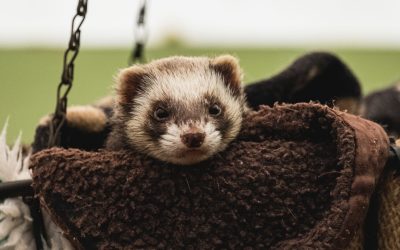
Did you know that ferrets are predisposed to a variety of renal diseases? Their unique physiology includes low levels of creatinine, which can cause urogenital issues pet owners need to be on the lookout for. If your ferret seems to be straining to urinate, it is worthwhile to take your furry friend to a ferret veterinarian since your ferret may have a urinary tract infection. Urinary tract infections are painful and if left untreated can result in dangerous urogenital complications, so early id

Diagnosing Feline Fungal Infections
Just like humans, cats can suffer fungal infections! Fungi are parasitic spore-producing organisms that feed on organic matter. While there are roughly 144,000 known species of fungi that exist, cats are susceptible to only select fungal infections. Fungal infections can be passed on to cats through ingestion, inhalation, and absorption through skin, with environmental exposure to soil with pathogenic fungus being the primary mode of transmission for cats. And so without further ado, here are th

Avian Aspergillosis: Diagnosing Fungal Respiratory Tract Infections
Just like humans, birds can experience fungal infections too! Aspergillosis is a common fungal infection in pet birds that impacts both the upper respiratory tract (eyes, sinuses, nose, and trachea) and lower respiratory tract (lungs and air sacs). This infection is caused by opportunistic fungi from Aspergillus spp., and can be challenging to identify and resistant to treatment. Consequently, it is important for any bird owner to be aware of signs of this difficult-to-diagnose disease. Aspergil

Ferrets and the Gut Microbiome: Diagnosing Diarrheal Diseases in Ferrets
Is your favorite, meat-eating friend suffering from loose, watery stool? While the cause of diarrhea in ferrets ranges greatly, one common cause can be a disruption to their gut microbiome. If your ferret seems to be suffering from prolonged gastrointestinal issues (more than 2 days), it is worthwhile to take your furry friend to a ferret veterinarian since your ferret may have a gastrointestinal infection. Diarrheal diseases are painful and if left untreated can result in dangerous complication

Pasteurellosis in Rabbits: Advancements in Clinical Diagnostics
Did you know that approximately 30%-90% of seemingly healthy rabbits may be asymptomatic carriers of Pasteurella multocida [1]? This bacterium causes pasteurellosis, which commonly impacts not only the rabbit’s respiratory system, but can also localize in eyes, ears, skin, reproductive organs, and more [1]. While the symptoms of pasteurellosis are broad and may appear benign, visiting a veterinarian is crucial in preventing the disease from becoming chronic and difficult to control. Symptoms of

Why is My Cat Itching?: Allergies and the Feline Microbiome
Has your cat been itching and scratching their skin more often than normal? If so, your furry friend may be suffering from feline dermatitis! Feline dermatitis is a general term that describes inflammation or irritation of the skin [1]. This condition can manifest in several ways, and has long been associated with allergies and environmental factors [2]. However, Next-Gen Sequencing (NGS) technology has allowed veterinarians and researchers to understand the more complex, multifactorial etiology
Bearded Dragons and Pneumonia: How To Identify Upper Respiratory Infections in My Reptile
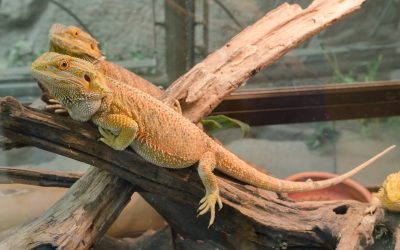
Captive bearded dragons are particularly at risk for respiratory infections (like pneumonia), which are often caused due to a weakened immune system. Environment plays a key role in the pathogenesis of pneumonia, and so it is useful for pet owners to know the proper husbandry to take care of bearded dragons, which are the most popular pet reptile [1]. Upper respiratory infections are uncomfortable for your scaly friend and may result in death if left untreated. Early intervention is beneficial f
Next-Gen DNA Sequencing Technology in Veterinary Medicine
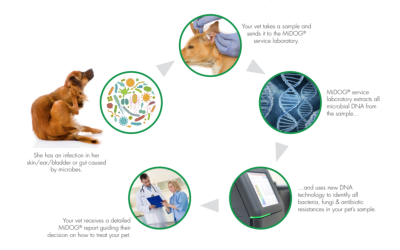
DNA (also known as deoxyribonucleic acid) has long been nicknamed the “blueprint for life”, providing the genetic codes that make existence for all organisms possible [1]. From animals to bacteria to fungi, each organism’s genetic code is what makes them unique and can also provide an abundance of information for clinical uses. Specifically, the development of high throughput molecular technologies alongside bioinformatics analyses in the 21st century has radically changed the abilities of veter

Skin Microbiota of Quaker Parrots: Advancements in Avian Clinical Diagnostics
Feather damaging behavior (FDB) is particularly common in captive birds, with an estimated prevalence rate of 11.7% in psittacines [1]. FDB can be difficult for pet owners and veterinarians to prevent, and can often be debilitating for your feathery friend. Fortunately, new research on this difficult-to-treat condition is on the horizon! In the past, diagnosing parrot skin diseases has proven to be difficult because there has not been a baseline for the parrot epidermal microbiome, both in birds

The Salamander Plague: Detecting Fungal Infections in Amphibians
Salamander chytrid disease, also known as salamander chytridiomycosis, is an infectious fungal disease that has had significant impacts on the biodiversity of salamanders in Asia and Europe within the last decade [1]. While the disease is not yet present in North America, it is critical to know the warning signs of this fast spreading disease should chytridiomycosis invade native salamander populations. Just in Europe, an outbreak of chytrid disease was associated with a greater than 96% mortali

Pathogen Spotlight of the Month: Escherichia Coli
If your cat has been struggling to use the litterbox, they might be suffering from a urinary tract infection (UTI)! While UTIs are less common in younger cats, these infections progress to feline lower urinary tract disorders in 40-45% of cats older than 10 years [1]. Feline urine even in a healthy state is not sterile, and is home to a plethora of bacteria; however, when pathogenic bacteria are able to outcompete healthy bacteria, urinary tract infections may manifest. Escherichia coli has long
Bearded Dragons and Salmonella: How To Prevent Infection From Asymptomatic Carriers
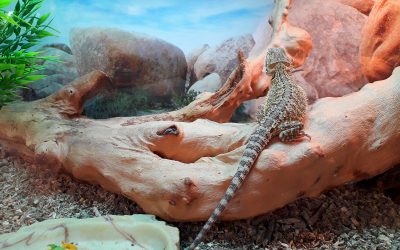
In November 2020, 18 people infected with an outbreak strain of Salmonella were reported from 11 different states in the United States (thankfully there were no deaths!) [1]. Further evidence unveiled that contact with pet bearded dragons was the likely source of the outbreak [1]. Salmonella infections are zoonotic in nature, making them not only a veterinary health concern, but also a public health concern. While salmonellosis can affect a wide range of animals including birds, reptiles, amphib

Pathogen Spotlight of the Month: Streptococcus Pneumoniae
Is your small mammal having trouble breathing? Or perhaps you notice discharge from your furry friend’s nose? If you notice these changes, it is recommended you take your pet to an exotic pet veterinarian immediately, as your small mammal may be suffering from pneumonia! As one of the most common significant diseases in small mammals, pneumonia causes inflammation of the lungs may cause death if left untreated. Small mammals like rats, mice, hamsters, gerbils, guinea pigs, pygmy hedgehogs, and m

Three Common Causes of Respiratory Disorders in Guinea Pigs
March is “Adopt a Guinea Pig” month, and it is important for current and future guinea pig parents to learn about common respiratory disorders in this small mammal! One study suggests that approximately 40% of guinea pigs seen by a veterinarian have been diagnosed with a bacterial infection, with upper respiratory infections being the most commonly reported [1]. However, because guinea pigs are extremely sensitive to the effects of many antibiotics, understanding possible sources of infections a

Periodontitis and Fungi: Uncovering the Clinical Relevance of the Oral Mycobiome
Did you know that even if your dog is healthy, they likely have fungal species present in their oral cavity [1]? While fungi are normal components of the canine oral microbiome, in dysbiotic states fungal infections may be associated with the development of periodontitis, an infection that causes inflammation in the oral tissue surrounding and supporting their teeth. Periodontitis is caused by plaque, bacteria, and your dog’s immunologic response to these pathogens, which results in inflammation
Periodontal Disease in Dogs: Characterizing the Oral Bacteriome
Cheese! Has your dog’s smile been looking inflamed? If so, your furry friend may have an infection and inflammation in the oral tissue surrounding and supporting their teeth. This condition is known as periodontitis and is caused by plaque, bacteria, and your dog’s immunologic response to these pathogens, which results in inflammation of the periodontal ligament and alveolar bone [1]. Although the etiology of periodontitis is complex, advancements in diagnostic technology have allowed for an inc
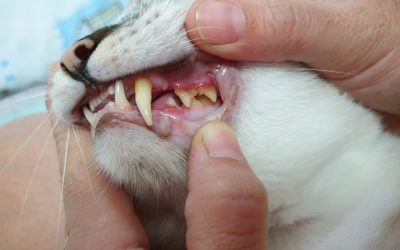
New Study: Antimicrobial Resistant Genes and Feline Chronic Gingivostomatitis
Does your cat’s “meowth” look red and swollen? If so, your friend may be suffering from feline chronic gingivostomatitis (FCGS), which is a painful and chronic inflammatory disease of the oral cavity that affects 0.7% to 12% of cats in their lifetime [1]. FCGS has a multifactorial etiology caused by a “hyper” immune response to one or more initial triggers. Feline chronic gingivostomatitis is uncomfortable at best for your furry friend, and if left untreated may result in serious health complica
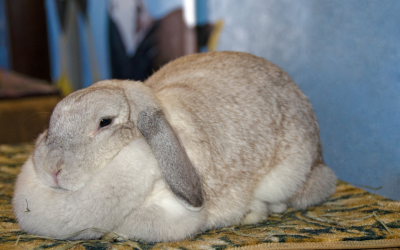
UTIs and Rabbits: Diagnosing Difficult-to-Culture Infections
Has your bunny been hopping to the bathroom more often than normal? Or maybe you’ve noticed that their urine has an abnormal color and/or consistency? While these behaviors may seem more puzzling than concerning, they could actually be indicative of a painful and dangerous urinary tract infection (UTI). Urinary Tract Infections in Rabbits With the help of Next-Gen Sequencing (NGS) technology, several recent studies have revealed that urine is not actually sterile, and the plethora of bacteria th

Webinar: Effect of Topical Medication on The Nasomaxillary Skin Fold Microbiome of French Bulldogs
A recent study was conducted using MiDOG NGS technology to assess the skin fold microbiome in healthy French bulldogs. This study found that the primary skin bacterial phyla populating the nasomaxillary skin fold were Firmicutes, and Proteobacteria, while the primary skin fungal phyla were Ascomycota and Basidiomycota. Also, the researchers noted a significant correlation between the abundance of potentially opportunistic pathogens and microbial diversity. Healthy French bulldogs contained high

Interview with Dermatology Specialist: Dr. Alissa Rexo (Part 2)
Antibiotic resistance is an increasing global problem, both for public and animal health and welfare. Considering antibiotic resistance is influenced not only by human and animal antibiotic use, but also by intrinsic resistance exhibited by some pathogenic microorganisms, understanding the clinical implications of animal skin microbiomes is becoming increasingly important. With contemporary research employing the use of Next-Gen Sequencing to aptly characterize the skin microbiome of various ani

Interview with Dermatology Specialist: Dr. Alissa Rexo
Antibiotic resistance is an increasing global problem, both for public and animal health and welfare. Considering antibiotic resistance is influenced not only by human and animal antibiotic use, but also by intrinsic resistance exhibited by some pathogenic microorganisms, understanding the clinical implications of animal skin microbiomes is becoming increasingly important. With contemporary research employing the use of Next-Gen Sequencing to aptly characterize the skin microbiome of various ani

French Bulldog Skin Problems: Infections & the Nasomaxillary Skin Fold Microbiome
Bulldogs, boxers, and pugs, oh my! These are just a few of the many breeds of brachycephalic dogs, defined as dogs with flattened faces [1]. As cute as their smooshed faces may be, these breeds are particularly prone to skin infections (like intertrigo) due to moisture-retaining skin folds that provide the ideal breeding ground for opportunistic bacteria and fungi [1]. A recent study using Next-Gen DNA Sequencing (NGS) was conducted to assess the skin fold microbiome in healthy French bulldogs a

Dermatophytosis: Diagnosing Fungal Infections in Ferrets
Fungal infections are never fun, and your ferret agrees! Dermatophytosis, which is a fungal infection of the skin, hair, and/or nails, is particularly common in ferrets [1]. If your ferret seems to have an unusual skin condition, it is worthwhile to take your furry friend to an exotic pet veterinarian since your ferret may have a dermatophytosis infection. Dermatophytosis is uncomfortable but treatable; however, this fungal infection is highly contagious and is a zoonotic disease (meaning it can

Canine Leptospirosis: Diagnosing Infectious Diseases In Your Dog
Even though your dog may not be showing signs, if they have been exposed to unsanitary water or other infected animals, they may be suffering from leptospirosis. Dogs are particularly susceptible to this bacterial disease, which has seen an increasing prevalence with approximately 8.2% of dogs shedding the infectious pathogen [1]. Transmission of leptospirosis is largely due to environmental factors such as high precipitation rates, flooding, uncontrolled urban development, and poor sanitary con

Conjunctivitis: How to Detect Eye Infections in Your Pet Bird
Conjunctivitis, also known as an eye infection, commonly infects a wide variety of pet birds ranging from house finches to cockatiels, parakeets, and many more. Conjunctivitis can be caused by several different pathogens, which creates a highly variable disease presentation that makes conjunctivitis difficult to diagnose [1]. Considering the possibility of blindness and more severe outcomes, it is important for any bird owner to be aware of the signs of this difficult-to-diagnose disease. Conjun

Interview with Exotic Pet Veterinarian Dr. Shachar Malka
With an estimated 19.4 million American households and 1.4 million Canadian households owning exotic pets, it’s no wonder the demand for exotic pet veterinarians has only been increasing. Unfortunately, many pet owners are unaware of the differences between a general veterinarian and a veterinarian who specializes in birds and exotic pets. It is important for any exotic pet owner to find a veterinarian whose expertise lies in the field of their pet’s field of medicine; from diagnostic and clinic

Tyzzer’s Disease: Detecting Infectious Diseases in Gerbils
Although it is rare for your pet gerbil to get sick, there is one disease that your furry friend is particularly susceptible to: Tyzzer’s disease (TD). This often fatal disease is one of the most common infections in not only gerbils, but also guinea pigs, rats, hamsters, and rabbits [1]. Rodents such as gerbils are particularly prone to these infections in captive settings because transmission is often caused by improper husbandry [2]. These infections can be challenging to identify and resista
From Allergies to Infections: Why Does My Dog Have a Runny Nose?
Gesundheit! The medical term for a runny nose is rhinitis, and rhinitis can be classified as either mild or severe, and periodic or chronic [1]. Although it is normal for healthy dogs to have a slightly runny nose, more severe nasal discharge may indicate a serious medical condition. A pet owner can identify mild runny noses by a slight watery discharge and some sneezing, whereas a severe runny nose lasts longer and has a gooier, opaque discharge [1]. Symptoms characteristic of rhinitis include
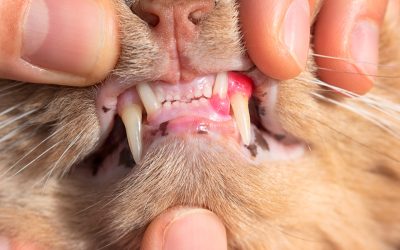
Feline Gingivostomatitis: Advancements in Clinical Diagnostics
Feline chronic gingivostomatitis (FCGS) is a painful, chronic inflammatory disease of the oral cavity that affects 0.7% to 12% of cats in their lifetime [1]. FCGS has a multifactorial etiology caused by a “hyper” immune response to one or more initial triggers. Therefore, a combination of understanding the conditions that cause FCGS and the infective pathogens themselves is critical in delivering quality healthcare to your cat. Feline chronic gingivostomatitis is uncomfortable at best for your f
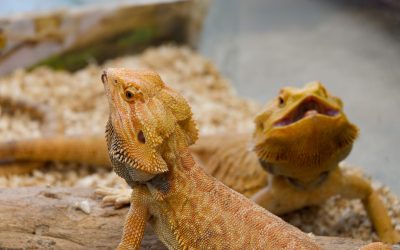
Reptilian Fungal Infections: Diagnosing Yellow Fungus Disease
Who you calling yellow-bellied? It may not be your reptile’s lack of courage, but rather an infection causing the yellow hue on your scaly friend’s skin. This infection goes by several names, including Chrysosporium anamorph of Nannizziopsis vriesii (CANV), Yellow Fungus Disease (YFD), CANV mycosis, and most recently Onygenalean Dermatomycoses [1]. Debate surrounding the name of the disease stems largely from advancements in technology that have revealed several microorganisms can cause this inf

Pruritus in Dogs: Home Remedies for Dogs With Itchy Skin
They scritch and they scratch, but the itch doesn’t seem to go away! Pruritus, the medical term for itching, is one of the most common reasons for dog parents to bring their furry friend to the veterinarian [1]. Pruritus can indicate several medical conditions, ranging from flea allergy dermatitis, seasonal allergies, food allergies, contact dermatitis, sarcoptic mange, and more [1]. Moreover, pruritus has a multifactorial etiology that can be further complicated by secondary bacterial infection
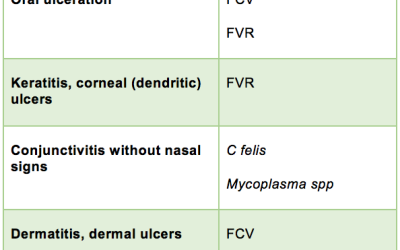
Feline Respiratory Disease Complex: How to Identify Respiratory Infections in Your Cat
If your cat is coughing up more than hairballs, your furry friend may have feline respiratory disease complex! Feline respiratory disease complex (FRDC) is an umbrella term for respiratory illnesses in cats caused by a group of organisms and/or viruses, and is estimated to occur in approximately 25.8% of cats in high-risk group settings [1]. FRDC, also known as feline upper respiratory infection (URI), can be complicated to treat due to possible secondary bacterial infections on top of the initi
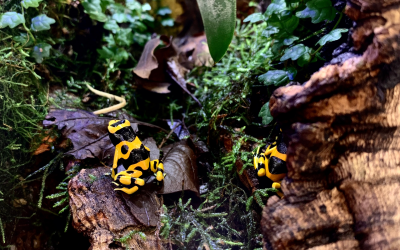
Red-leg Syndrome: Diagnosing Bacterial Dermatosepticemia in Amphibians
As one of the most common diseases in amphibians, bacterial dermatosepticemia is a fatal infectious disease seen in frogs, toads, and salamanders [1]. More commonly known as red-leg syndrome, bacterial dermatosepticemia is associated with dilation of the capillaries under their skin, which causes the characteristic redness on the underside of the amphibian’s legs and abdomen that is associated with the infectious disease [2]. While the initial exposure to opportunistic bacteria may be caused by

Three Bacterial Infections Chinchilla Parents Need to Know About
Chinchillas may clean themselves using dust baths, but that doesn’t mean these furry rodents can wash away infections easily. Reports of infectious disease prevalence in chinchilla communities are admittedly skewed due to most studies reporting prevalence based on fur-ranched chinchillas, but regardless, understanding possible sources of infections and how they manifest is critical for chinchilla owners [1]. It is important to note that while this article is going to focus on bacterial infection

Biofilm Formation and Antibiotic Resistance: Common Chronic Infections In Pets
The National Institute of Health estimates that approximately 65% to 80% of microbial infectious diseases are associated with bacterial biofilm [1]. Biofilms are defined as structured communities of bacterial cells enclosed in a self-produced polymer matrix that is attached to a surface, allowing for greater protection of bacteria to thrive in potentially hostile environments [2]. Biofilm-associated bacteria complicate both human and veterinary medicine, as these pathogens can cause chronic infe

Mycobacterium Infections and Your Exotic Bird: How to Detect Avian Tuberculosis
The saying fine feathers make fine birds holds some truth, as the state of your exotic bird’s feather can indicate the health status of your feathery friend. While poor feathering can indicate several ailments, one notable concern is avian tuberculosis. Avian tuberculosis can be caused by several mycobacterial species, with tubercular nodules presenting in an infected bird’s liver, spleen, intestine, lungs, air sacs, skin, and/or bone marrow [1]. This infection is challenging to identify and res
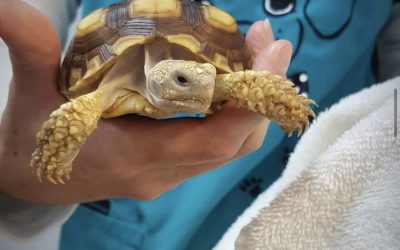
Mycoplasmosis: Tortoises and Upper Respiratory Tract Infections
While you might not expect a tortoise to be running anywhere, that doesn’t mean they don’t get runny noses! Tortoise mycoplasmosis is one of the most common diseases in tortoises and is the main cause of upper respiratory tract disease (URTD) in these slow-placed reptiles [1]. Therefore, a combination of understanding the conditions that cause the infection and the infective pathogens themselves is critical in delivering quality healthcare to your reptile. URTDs are uncomfortable at best for you