MiDOG Research and Clinical Studies
Advancing microbial diagnostics through veterinary research, clinical collaboration, and next-generation sequencing insight. Send InquiryThe mindset at MiDOG Animal Diagnostics is very research and discovery-driven. The answers we can achieve from studying and understanding the animal microbiome in health and disease are fascinating and can, quite literally, help veterinarians to save lives. The impact that our work has directly on the lives of animals is what drives us every day. We are always excited to learn more and to support you in your research endeavors.

How can MiDOG support veterinary research and clinical studies?
MiDOG supports veterinary research and clinical studies by providing next-generation sequencing, microbiome analysis, study design guidance, sample processing, bioinformatics, data interpretation, and publication support. Research teams can work with MiDOG to investigate animal microbiomes, infectious disease questions, antimicrobial resistance, intervention studies, population health, and clinical or translational research projects.
With experience across peer-reviewed publications, clinical collaborations, academic studies, zoological medicine, wildlife health, companion animal research, and industry partnerships, MiDOG can help researchers move from study planning to sequencing, analysis, and manuscript preparation.
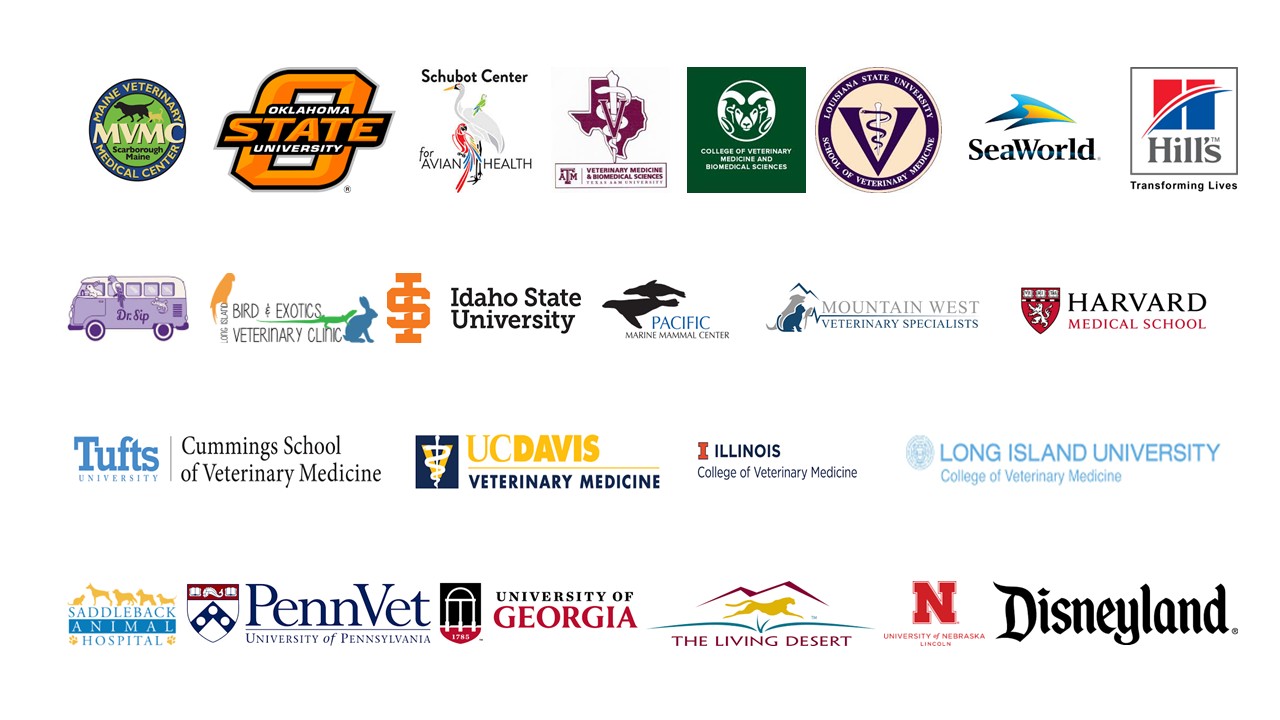
MiDOG’s research support is designed for universities, veterinary teaching hospitals, DVM residents, graduate students, researchers, industry teams, nonprofits, conservation programs, and animal health organizations looking to generate deeper microbial insight from animal samples.
Our Offer:
With a large proven track record of over 50 publications in peer-reviewed journals, the MiDOG Team is well-suited to support your research projects throughout the whole process.


Research Areas MiDOG Can Support
MiDOG can support a wide range of veterinary and animal health research projects, including:
- Veterinary microbiome research
- Infectious disease studies
- Antimicrobial resistance research
- Clinical case series
- Intervention and product testing studies
- Companion animal health research
- Exotic and zoo animal microbiome studies
- Wildlife and conservation medicine research
- Aquatic and marine animal health studies
- Population health and surveillance projects
- Resident and graduate research projects
- Comparative microbiome studies across species, environments, or treatment groups
Whether the research question involves known pathogens, novel organisms, microbial community shifts, treatment response, environmental exposure, or population-level microbial trends, MiDOG can help teams design a sequencing approach that fits the study goals.
What does MiDOG provide for research projects?
MiDOG can support research projects across multiple stages of the study process, from early planning through sequencing, data analysis, and publication preparation.
Study Design Support
MiDOG scientists can provide guidance on study design, sample collection strategy, timelines, collection timepoints, sample size considerations, metadata planning, and potential pitfalls before samples are collected.
Sample Processing and Sequencing
MiDOG provides standardized sample processing, DNA/RNA extraction, library preparation, sequencing, quality control, and wet-lab workflows designed to support reliable microbial analysis.
Bioinformatics and Microbiome Analysis
MiDOG’s analysis can include curated database annotation, microbial composition profiling, relative and absolute abundance, alpha diversity, beta diversity, heatmaps, bar plots, antimicrobial resistance genes, functional potential, metabolic pathways, and statistical analysis based on study metadata.
Publication and Writing Support
For research teams preparing abstracts, posters, manuscripts, grants, or peer-reviewed publications, MiDOG can provide scientific support during the writing and publication process when needed.
Whether you are at a university, a DVM resident, a grad student, work in industry, a non-profit looking into doing a study on known or novel infectious diseases, the general microbiome composition, or would like to test an intervention in animals, we’d be happy to work with you and provide guidance along the way to ensure the project will be a success.

Our services and genome analyses include:
- Guidance on study design and sample size
- The scientists at MiDOG provide guidance on the sample collection process, timelines, collection timepoints and locations, sample size, suggestions to avoid pitfalls, and more
- Letter of support: If you are applying for funding, we can provide you with letters of support to enhance your application
- Microbiome sequencing: This is no trivial task, and we will provide a full-service sample processing for you. Including:
- DNA/RNA extraction for bacterial and fungal organisms,
- Library preparation for bacteria, fungi, and antibiotic resistance markers,
- Pooling and post-library quality control
- Sequencing on Illumina MiSeq
- Positive and negative controls for all wet lab steps
- Processed under standardized SOPs with rigorous QA/QC across all wet-lab steps.
- Data analysis
- Annotation based on our well-curated MiDOG genome reference databases
- Relative and absolute cell counts for bacteria and fungi
- Microbial composition analysis from phylum to species, including:
- Bacterial profiles at taxonomic levels from phylum to species
- Fungal profiles at taxonomic levels from phylum to species
- Abundance tables, bar plots and heatmaps of the bacterial and fungal taxa, organized based on metadata
- Alpha diversity
- Beta diversity
- Antibiotic resistance genes, gene functional potential, metabolic pathways
- Statistical analysis e.g., LefSe of treatment groups, populations, timelines etc. included in provided metadata
- Writing process
- The MiDOG team provides guidance for the writing and publication process if needed

Please refer to our publications section to see a full list of the previous work done by the MiDOG Team.
FAQs About MiDOG Research and Clinical Study Support
What types of research projects can MiDOG support?
MiDOG can support veterinary microbiome research, infectious disease studies, antimicrobial resistance research, clinical case series, product testing, intervention studies, resident projects, conservation medicine, wildlife health, aquatic animal research, and population-level microbial studies.
Can MiDOG help with veterinary microbiome research?
Yes. MiDOG can support veterinary microbiome research by providing next-generation sequencing, microbial composition analysis, relative and absolute abundance data, diversity analysis, bioinformatics, and study design guidance for animal health research projects.
Can MiDOG support clinical studies?
Yes. MiDOG can support clinical studies involving animal infections, microbiome composition, antimicrobial resistance, treatment response, population health, product testing, and other veterinary research questions. Study design, sample strategy, sequencing approach, and analysis plans can be discussed before the project begins.
Does MiDOG help with study design?
Yes. MiDOG scientists can provide guidance on study design, sample size considerations, sample collection strategy, timelines, collection timepoints, metadata planning, and common pitfalls that may affect microbial sequencing projects.
What sequencing and analysis services does MiDOG provide?
MiDOG can provide sample processing, DNA/RNA extraction, library preparation, sequencing, quality control, microbial database annotation, taxonomic profiling, relative and absolute abundance, alpha and beta diversity, heatmaps, bar plots, antimicrobial resistance gene analysis, functional potential, metabolic pathway analysis, and statistical analysis based on study metadata.
Can MiDOG help DVM residents or graduate students with research projects?
Yes. MiDOG can support DVM residents, graduate students, academic researchers, and early-career investigators with research planning, sequencing, data analysis, interpretation support, and publication preparation.
Can MiDOG provide letters of support for grant applications?
Yes. MiDOG can provide letters of support for research teams applying for funding when the project involves MiDOG sequencing, microbiome analysis, or related research collaboration.
How do I start a research project with MiDOG?
To start a research project with MiDOG, contact the MiDOG team with a brief description of your research question, species, sample types, expected sample number, timeline, study goals, and any funding or publication plans.
Who can collaborate with MiDOG on research?
MiDOG can collaborate with universities, veterinary teaching hospitals, DVM residents, graduate students, researchers, industry teams, nonprofits, zoological institutions, wildlife organizations, conservation programs, and animal health companies.
Can MiDOG help with manuscript or publication preparation?
Yes. MiDOG can provide guidance during the writing and publication process when needed, including support with methods descriptions, analysis interpretation, figures, and scientific communication related to MiDOG-generated data.
Interested?
If you’re interested in learning more about how MiDOG Animal Diagnostics can simplify and enhance your research projects, we’d love to hear from you!