MiDOG Parasite-Only Testing: A Focused Way to Look Deeper for Parasites
MiDOG Parasite-Only Testing helps veterinary teams investigate parasitic and protozoan organisms using next-generation sequencing and a database of 4,300 parasites. Order Parasite-Only TestingTalk to the MiDOG Team
A Focused Test for Parasite Questions
MiDOG Parasite-Only Testing is designed for cases where parasite detection is the primary diagnostic need.
This focused testing option helps veterinary teams investigate parasitic and protozoan organisms without ordering the full MiDOG All-in-One Test. It is intended for situations where the clinical question is more specific: could a parasite be contributing to this patient’s signs?
By using next-generation sequencing, MiDOG Parasite-Only Testing supports broader molecular investigation beyond narrow panels or single-target testing. This can be especially useful when clinical signs are persistent, exposure history is unclear, the patient comes from a rescue, shelter, import, travel, zoo, aquarium, wildlife, or exotic animal setting, or previous testing has not provided a clear answer.
For cases where parasite insight is the priority, MiDOG offers a focused way to look deeper.
Backed by a 4,300-Parasite Database
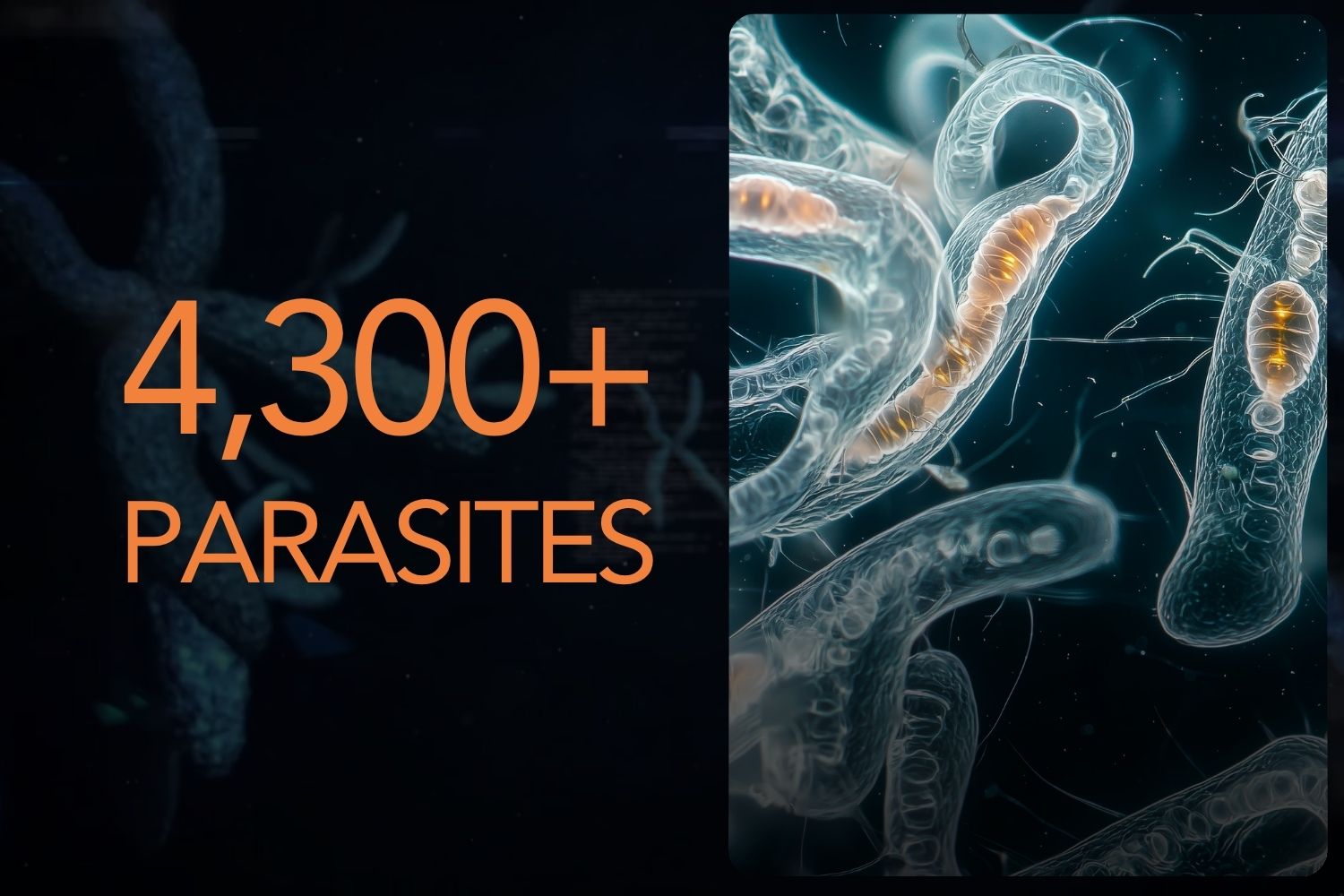
MiDOG’s NGS-based platform screens against a database containing 4,300 parasites, helping clinicians look beyond narrow panels and investigate organisms that may be rare, overlooked, or difficult to detect through conventional workflows.
This broader coverage is supported by MiDOG’s ongoing parasite genomics work, including publicly available reference genomes developed to strengthen molecular detection for veterinary, wildlife, and conservation medicine cases.
MiDOG’s work has supported real-world cases involving Cryptosporidium serpentis in snakes, Neodermophthirus harkemai in aquarium-housed lemon sharks, Cystoisospora infections in endangered black-footed ferrets, and the first genomic detection of Tritrichomonas foetus in a family dog.

Cryptosporidium serpentis

Cystoisospora infections

Neodermophthirus harkemai

Tritrichomonas foetus

When to Consider Parasite-Only Testing
Consider MiDOG Parasite-Only Testing for:
✅ Persistent or recurrent GI signs
✅ Unexplained diarrhea
✅ Weight loss or poor body condition
✅ Exotic animal cases
✅ Zoo, aquarium, or wildlife health cases
✅ Rescue, shelter, or imported animals
✅ Patients with unclear exposure history
✅ Cases where prior testing did not provide a clear answer
✅ Situations where parasite detection is the primary clinical question
No Special Kit or Collection Process Required
Parasite-Only Testing uses the same MiDOG Sample Collection Kits and collection methods as our other testing options. Collect and submit the sample using your standard MiDOG workflow; no separate kit, special materials, or additional collection steps are required.

When Parasite Insight Is the Priority
From persistent GI signs to exotic, zoo, wildlife, and conservation cases, MiDOG helps veterinary teams look beyond routine parasite testing.Relevant Organism Groups
MiDOG Parasite-Only Testing supports investigation across parasitic and protozoan organisms, including groups such as:
✅ Protozoa
✅ Nematodes
✅ Flatworms
✅ Hookworms
✅ Roundworms
✅ Whipworms
✅ Tapeworms
Parasite-Only or All-in-One?
Choose Parasite-Only Testing when parasite detection is the main clinical question.
This focused option is best for cases where the primary concern is whether a parasitic or protozoan organism could be contributing to the patient’s signs, especially when routine parasite testing has not provided a clear answer.
Choose MiDOG All-in-One Testing when the case may involve a broader infectious picture.
The All-in-One Test is the better fit when clinicians need to evaluate bacteria, fungi, parasites, antimicrobial resistance markers, and toxin- or biofilm-associated markers from the same sample. It is especially useful for complex, persistent, polymicrobial, or difficult-to-resolve cases where multiple microbial contributors may be involved.
Want to learn more about rare parasite genomics?
Watch MiDOG’s Cryptic Critters webinar with Dr. Mark Yacoub, PhD, to learn how genomics, metagenomics, and NGS are helping reveal rare and difficult-to-detect parasites across veterinary case types.
Ready to Look Deeper for Parasites?
MiDOG Parasite-Only Testing gives veterinary teams a focused NGS-based option for investigating parasitic and protozoan organisms across companion animal, exotic, zoo, aquarium, wildlife, and conservation medicine cases.