When Your Pet Isn’t Improving, It May Be Time to Look Deeper
If your pet has ongoing symptoms, keeps getting sick again, or is not improving the way you hoped, it may be time for your veterinarian to take a broader look. MiDOG helps veterinarians gather more information from a single sample so they can better understand what may be contributing to difficult or unresolved cases.

Why pet owners ask about MiDOG
Sometimes a problem seems simple at first, but the symptoms keep coming back, do not fully go away, or do not respond to treatment the way expected. In those cases, your veterinarian may need more information to understand what is really going on.
MiDOG is designed to support veterinarians by providing a broader view of what may be contributing to your pet’s condition. Depending on the case, MiDOG can help provide information about:
Bacteria
These are tiny living organisms. Some are harmless, but others can cause infections in areas like the skin, ears, mouth, urinary tract, or digestive tract.

Fungi
Fungi include things like yeast and molds. Some fungal organisms can contribute to skin issues, ear problems, respiratory concerns, and other infections.

Parasites
Parasites are organisms that live on or inside the body and can make pets sick. They may affect the digestive system, skin, or other parts of the body.
Antimicrobial Resistance
This helps show whether certain germs may be harder to treat with common antibiotics, giving your veterinarian added insight when choosing treatment.

Toxin-associated Markers
Some microbes can produce substances that may worsen irritation, inflammation, or disease. These markers can help explain why some cases seem more severe or more difficult to manage.
Biofilm-associated Markers
Some microbes can protect themselves by forming a sticky layer called a biofilm. This can make infections more stubborn and harder to fully clear.
This broader view can be especially helpful when a case is:
- Persistent: the problem is lasting longer than expected
- Recurrent: the symptoms improve, then come back again
- Treatment-resistant: medication is not working the way your veterinarian would normally expect
- Difficult to explain: the symptoms do not point to one simple cause, or the case appears more complex than expected
What makes MiDOG different
MiDOG helps veterinarians look beyond narrow testing approaches by evaluating a wider range of infectious and related factors from a single sample. This can be especially useful in cases where symptoms are lingering, recurring, or hard to fully understand. MiDOG’s Expanded Testing adds insight into parasites as well as toxin- and biofilm-associated markers, in addition to bacteria, fungi, and antimicrobial resistance.
In simple terms, MiDOG helps your veterinarian see more of the picture when the answer is not obvious.
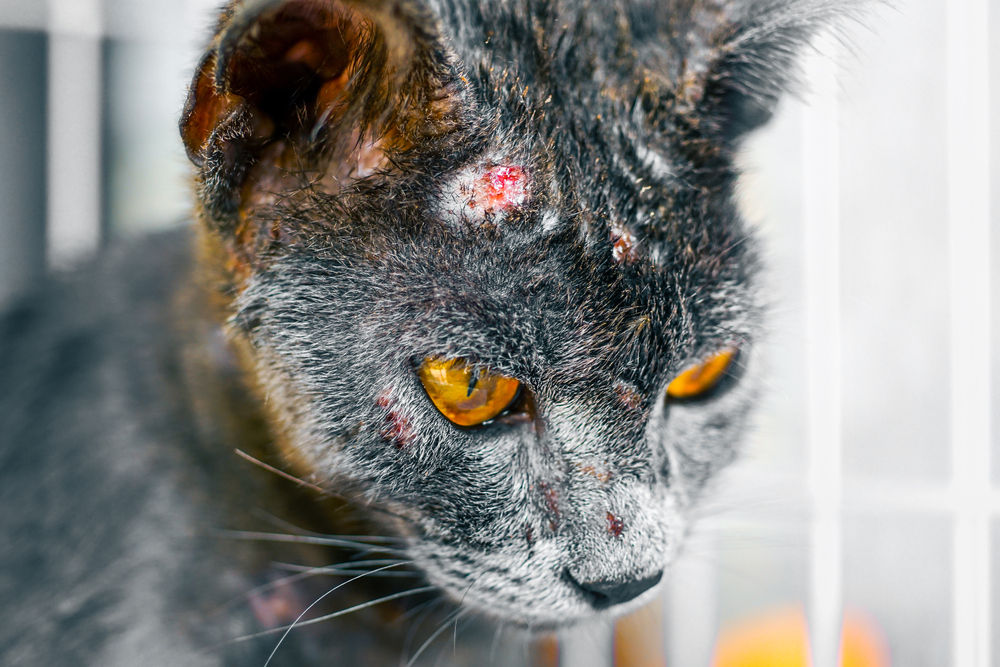
How MiDOG Helps Your Veterinarian
Your veterinarian is the one who examines your pet, decides which tests are appropriate, and recommends treatment. MiDOG helps by providing additional diagnostic information that may support those decisions.
Here is how it works:
1. Your veterinarian decides if MiDOG is a good fit for the case
If your pet’s symptoms are ongoing, recurring, or difficult to explain, your veterinarian may decide a broader diagnostic approach could help.
3. The sample is submitted to MiDOG
MiDOG’s workflow remains familiar for clinics and does not require a completely new submission process.
5. Your veterinarian uses the results along with the full clinical picture
MiDOG supports your veterinarian’s decision-making, but your veterinarian remains the one interpreting the results and determining treatment.
2. A sample is collected
Depending on your pet’s symptoms, this could be a swab, urine sample, fecal sample, skin sample, oral sample, or another appropriate sample type.
4. Your veterinarian receives the report
The report provides broader infectious insight that may help guide next steps.
When a broader look can be helpful
Some pets do not fit neatly into a simple answer. A skin issue may keep returning. A GI problem may not fully resolve. An infection may not respond as expected. A case may seem to improve, only to flare up again later. When that happens, your veterinarian may need a wider view of what could be contributing to the problem. MiDOG is designed to help in those moments by offering broader insight from one sample.
Why this matters for pet owners
When your pet is not feeling well, uncertainty can be frustrating. Repeated visits, repeated medications, and incomplete improvement can leave you wondering what to do next. MiDOG is meant to help your veterinarian gather more information so they can make more informed decisions about your pet’s care. It is not about replacing your veterinarian’s expertise. It is about helping them see more of what may be happening. That same supportive, pet-owner-facing message is also reflected in the MiDOG brochure language.

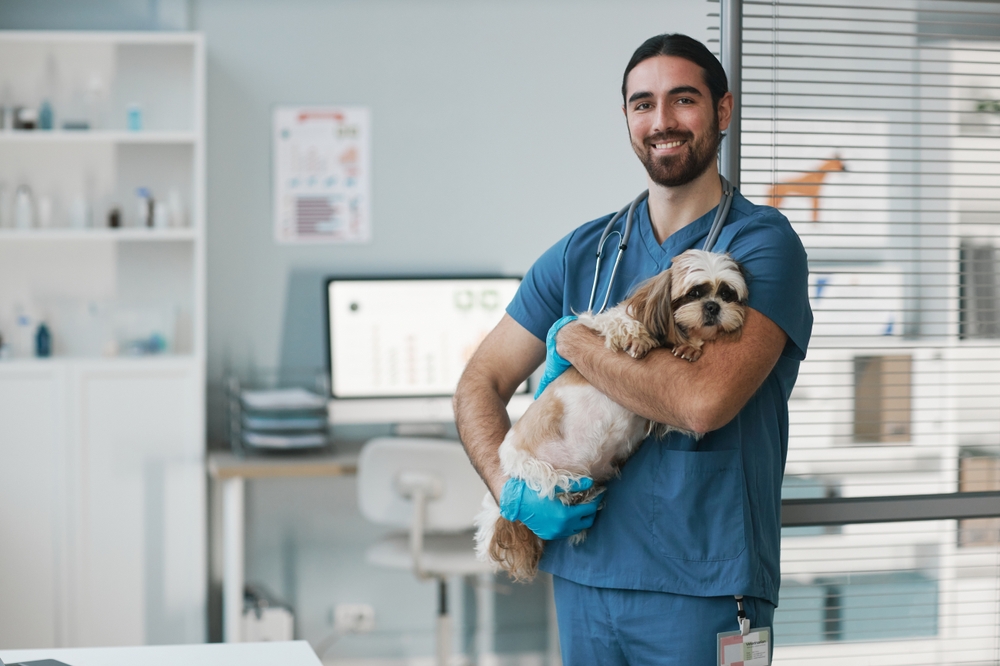
Questions to ask your veterinarian
- Could this case need a broader diagnostic approach?
- Are there infectious causes that may not have been fully identified yet?
- Would MiDOG be appropriate for my pet’s case?
- Could broader testing help guide treatment decisions?
- Has my pet’s infection been difficult to diagnose with standard testing?
- Would broader microbial testing be helpful before changing medications again?
- Could antimicrobial resistance be affecting how my pet is responding to treatment?
- Would this be a good option for a skin, ear, wound, urinary, respiratory, oral, or GI case?
- Is this the kind of case where next-generation sequencing may offer more insight?
- Could MiDOG help identify organisms that may not grow well in culture?
Talk to your veterinarian about MiDOG
You know your pet best. If something still does not seem right, it is okay to ask questions and explore whether more information could help. MiDOG gives veterinarians a broader diagnostic tool for cases that are persistent, recurrent, treatment-resistant, or hard to explain.