

Next-Gen DNA Sequencing Technology
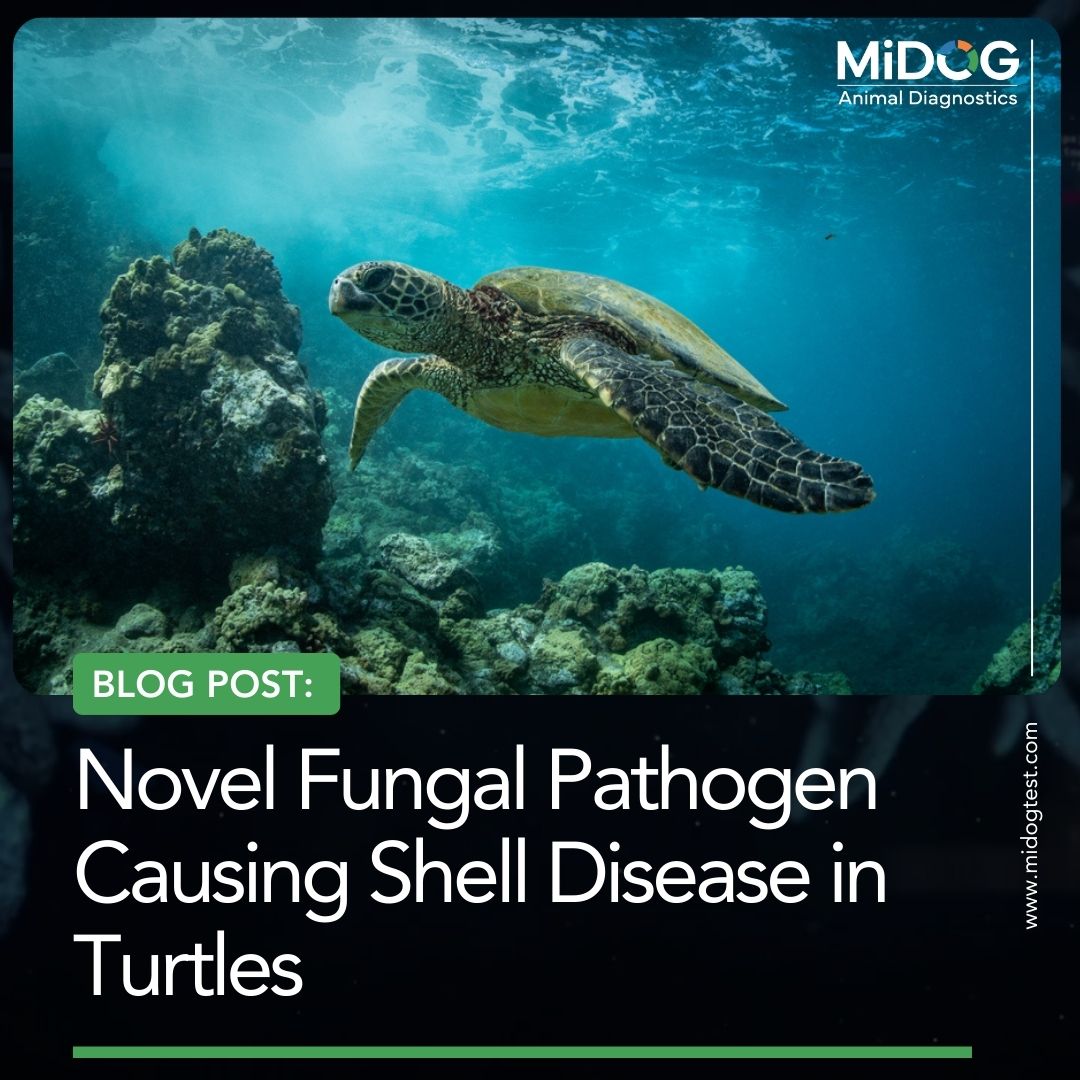
Novel Fungal Pathogen Causing Shell Disease in Turtles

MiDOG Releases First Set of Parasite Reference Genomes

Mysterious Death of a Songbird Reveals a Novel Coxiella Species

Dr. Mark Yacoub Wins Outstanding Presentation Award for Groundbreaking Cryptosporidium serpentis Genome Research
Diagnosing the Depths: How Next-Generation Sequencing Reveals Hidden Microbial Communities in Sea Lions with Abscesses
What’s up Doc?: Tackling Encephalitozoon cuniculi in Rabbits

Understanding Corynebacterium pseudotuberculosis in Small Ruminants: Symptoms, Diagnosis & the Power of NGS

Genomic First: MiDOG Uncovers New Castellaniella Species in Critical Respiratory Case
Characterization of nasal cavity microbiome from healthy rabbits (Oryctolagus cuniculus domesticus) using next-generation DNA sequencing and geographically specific bacterial and fungal differences
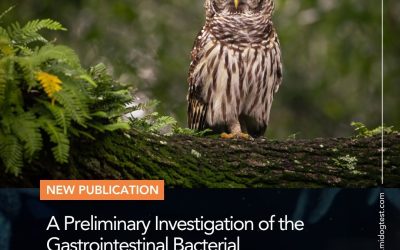
A Preliminary Investigation of the Gastrointestinal Bacterial Microbiomes of Barred Owls (Strix varia) Admitted to a Wildlife Hospital
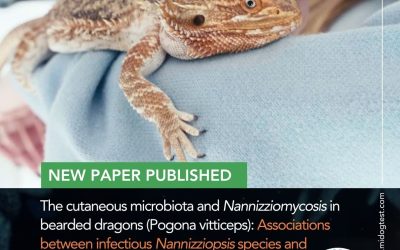
The Cutaneous Microbiota and Nannizziomycosis in Bearded Dragons
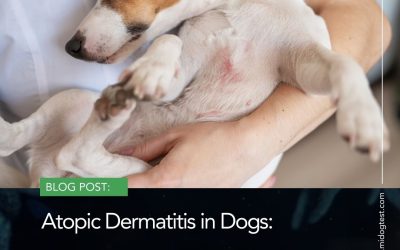
Atopic Dermatitis in Dogs: Microbiota Disruption and the Transformative Role of Next-Generation Sequencing
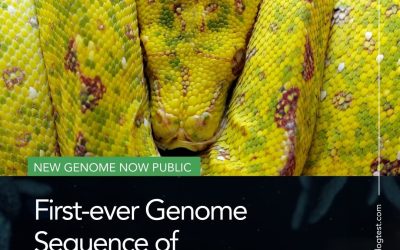
First Genome of Cryptosporidium serpentis Unlocks New Era in Exotic Animal Diagnostics
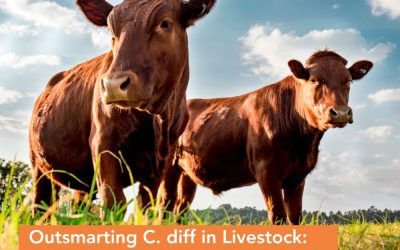
Outsmarting C. diff in Livestock: The Power of NGS Over Culture Testing
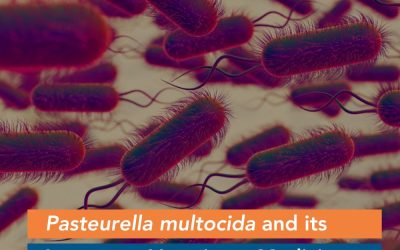
Pasteurella Multocida and its Impact on Veterinary Medicine
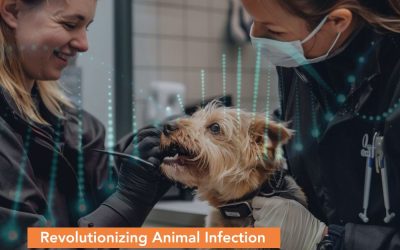
MiDOG’s Next-Generation Sequencing (NGS) is Revolutionizing Animal Infection Testing and Combating Antibiotic Resistance

Using Fecal Microbiome Testing to Revolutionize Canine Gut Health
Bugged Out: How Pathogens Are Affecting Your Pet’s Favorite Snacks – and How to Protect Them

Glowing Threats: The Bioluminescent Bacterium Behind Marine Disease
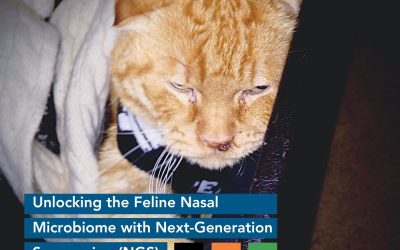
Unlocking the Feline Nasal Microbiome with Next-Generation Sequencing (NGS): A New Frontier in Treating Respiratory Illnesses
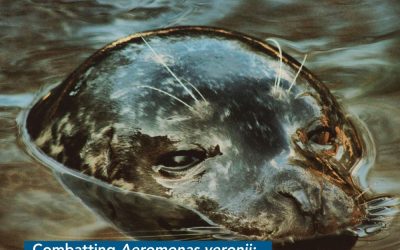
Harnessing Next-Generation Sequencing to Combat Aeromonas veronii Infections in Marine Mammals Exposed to Contaminated Water

From Plant to Pet: Veterinary Impacts of the Pathogenic Fungus, Fusarium
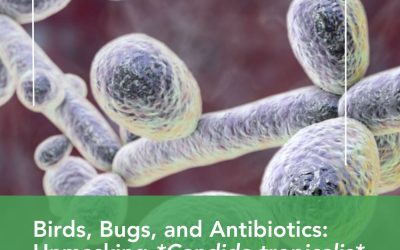
Birds, Bugs, and Antibiotics: Unmasking *Candida tropicalis* in Feathered Friends Near Farms & Livestock – What Pet Owners and Vets Should Know
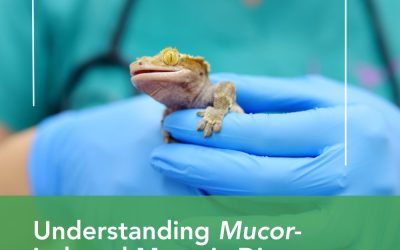
Understanding Mucor-induced Mycotic Disease in Reptiles: What Reptile Owners and Vets Need to Know About Mycotic Infections
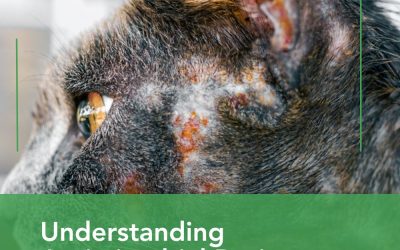
Understanding Antimicrobial Resistance in Fungal Infections

Candida auris in Veterinary Practice: Key Insights for Diagnosis and Management
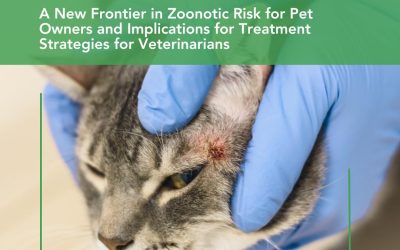
Streptococcus canis on Feline Skin: A New Frontier in Zoonotic Risk for Pet Owners and Implications for Treatment Strategies for Veterinarians
The Black Mold Threat: Protecting Pugs, Bulldogs, and Other Flat-Faced Breeds from Respiratory Infection Caused By Stachybotrys chartarum

Mycoplasma Mysteries in Rabbits: How Insights from Next-Generation Sequencing of Mycoplasma Could Redefine Respiratory Care in Rabbit Noses

Unmasking Staphylococcus: How These Common Bacteria Lead to Pneumonia and Bronchitis in Dogs

Don’t Let Salmonella Sink Your Dog’s Health!
Microscopic Menace: Unraveling the Mystery of Mycobacterium Fortuitum in Pets and What Veterinarians Need to Know

Valley Fever in Dogs: Current Status, Presentation, and Diagnostic Advances

From Skepticism to Revolution: From Koch’s Foundations to the Promise of Next-Gen Sequencing in Disease Diagnosis

Understanding Eye Infections in Turtles: Pathogens, Challenges, and Solutions

Exploring the Panda Gut Microbiome: Bacteria, Fungi, Protists, and Viruses Unveiled

The Importance of Considering Antimicrobial Resistance When Treating Animals

Bumblefoot in Birds and Chickens: Understanding the Causes, Symptoms, and Treatment Challenges
Bumblefoot, also known as pododermatitis, is a common infection in captive birds and chickens that can be unassuming but fatal if left untreated. This article aims to provide a comprehensive guide on how to effectively treat bumblefoot in avian patients. We will delve into: What causes bumblefoot? What are the stages of bumblefoot symptoms? FAQ for pet owners on bumblefoot in birds FAQ for pet owners on bumblefoot in chickens Why can bumblefoot treatment be difficult? Causes of bumblefoot Bumble
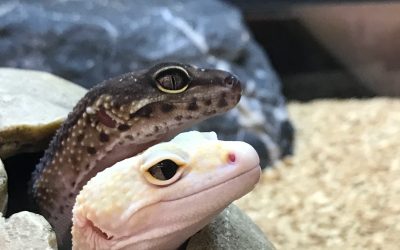
Treating Bacterial Conjunctivitis: Leopard Gecko Eye Infection Diagnoses
In a retrospective study, 52 out of 112 leopard geckos had an eye infection such as conjunctivitis. [1] Here’s what you need to know about bacterial conjunctivitis, or pink eye, in leopard geckos. Leopard geckos are popular pocket pets because of their large, colorful eyes. However, captive leopard geckos are extremely likely to develop an eye infection because of their unique eyelid structure. Most geckos have spectacle eyelids, whereas leopard geckos have crinkled eyelids that are fully moveab

Benefits of Next-Generation Sequencing in Veterinary Dermatology, According to Dr. Richard Harvey
Dr. Richard Harvey and His Veterinary Journey as a Dermatology Specialist – MiDOG Interview Part 2
This is part 2 of our exclusive interview with Dr. Richard Harvey. The first part covered Next-Generation Sequencing in Veterinary Medicine which can be found here. Part 2 will be covering questions for Dr. Harvey that are a little more personal and career-oriented for us and our audience to get to know him a little bit better and shed light on his background, interests, and veterinary journey experience. A Look Into Dr. Harvey’s Veterinary Journey To start off, could you share with us your jour

Ringworm in Guinea Pigs: Bald Spots, Scratching, and the Road to Relief
Guinea pigs are very social creatures with a host of emotions packed into little bodies. They make wonderful pets for children or adults and will show you their appreciation with a variety of chirps and squeals when they’re excited and happy. Think of them as tiny Siberian Huskies; heightened emotional states and are very vocal about them. When you first brought little Wilbur home, he may have been a bit shy. Then he learned the sound of the refrigerator as the source of all his fresh vegetables

Lumps and Bumps on a Cat’s Skin
Cats are affectionate creatures (albeit on their own terms) and when Fluffy demands that scratch under her chin or a stroke down her back, you may come across a lump, bump, or even some crusts. The fastidious nature of cats means that what you’ve found isn’t likely to be foreign material stuck in her fur, but actually some changes within the skin itself. MiDOG Next-Gen Sequencing Technology may be appropriate in assisting with a diagnosis, but first, let’s discuss the types of skin lesions you m

Sneezing and Nasal Discharge in Dogs: The Complexity of Canine Rhinitis and Sinusitis
Has your pup been sneezing for a few days, or worse, a few months? You may be surprised to learn just how complicated that one clinical symptom can be. The underlying cause may be simple or serious and it can be frustrating for both pet owners and veterinarians alike during the process of working up Fido for a diagnosis. Next-Gen Sequencing (NGS) technology can assist your veterinarian as they determine the root cause of your pet pal’s symptoms. Rhinitis and Sinusitis: What Does It Look Like? Rh

Candidiasis in Birds: How to Detect Candida in Cockatiels
Has your pet bird not been strutting their feathers like they normally do? While dull plumage can indicate several ailments, one notable concern is avian candidiasis. Candida infections are most commonly caused by the opportunistic yeast Candida albicans, which most frequently impacts the gastrointestinal tract [1]. Because birds on broad-spectrum antibiotics are most at risk for candidiasis, it is important to get your pet seen at a vet immediately to avoid further complications [1]. Avian cand
Diagnosing Urinary Tract Infections in Ferrets
Did you know that ferrets are predisposed to a variety of renal diseases? Their unique physiology includes low levels of creatinine, which can cause urogenital issues pet owners need to be on the lookout for. If your ferret seems to be straining to urinate, it is worthwhile to take your furry friend to a ferret veterinarian since your ferret may have a urinary tract infection. Urinary tract infections are painful and if left untreated can result in dangerous urogenital complications, so early id

Avian Aspergillosis: Diagnosing Fungal Respiratory Tract Infections
Just like humans, birds can experience fungal infections too! Aspergillosis is a common fungal infection in pet birds that impacts both the upper respiratory tract (eyes, sinuses, nose, and trachea) and lower respiratory tract (lungs and air sacs). This infection is caused by opportunistic fungi from Aspergillus spp., and can be challenging to identify and resistant to treatment. Consequently, it is important for any bird owner to be aware of signs of this difficult-to-diagnose disease. Aspergil

Ferrets and the Gut Microbiome: Diagnosing Diarrheal Diseases in Ferrets
Is your favorite, meat-eating friend suffering from loose, watery stool? While the cause of diarrhea in ferrets ranges greatly, one common cause can be a disruption to their gut microbiome. If your ferret seems to be suffering from prolonged gastrointestinal issues (more than 2 days), it is worthwhile to take your furry friend to a ferret veterinarian since your ferret may have a gastrointestinal infection. Diarrheal diseases are painful and if left untreated can result in dangerous complication

Pasteurellosis in Rabbits: Advancements in Clinical Diagnostics
Did you know that approximately 30%-90% of seemingly healthy rabbits may be asymptomatic carriers of Pasteurella multocida [1]? This bacterium causes pasteurellosis, which commonly impacts not only the rabbit’s respiratory system, but can also localize in eyes, ears, skin, reproductive organs, and more [1]. While the symptoms of pasteurellosis are broad and may appear benign, visiting a veterinarian is crucial in preventing the disease from becoming chronic and difficult to control. Symptoms of

Why is My Cat Itching?: Allergies and the Feline Microbiome
Has your cat been itching and scratching their skin more often than normal? If so, your furry friend may be suffering from feline dermatitis! Feline dermatitis is a general term that describes inflammation or irritation of the skin [1]. This condition can manifest in several ways, and has long been associated with allergies and environmental factors [2]. However, Next-Gen Sequencing (NGS) technology has allowed veterinarians and researchers to understand the more complex, multifactorial etiology
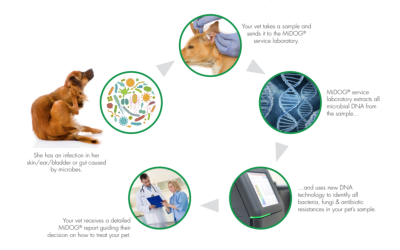
Next-Gen DNA Sequencing Technology in Veterinary Medicine
DNA (also known as deoxyribonucleic acid) has long been nicknamed the “blueprint for life”, providing the genetic codes that make existence for all organisms possible [1]. From animals to bacteria to fungi, each organism’s genetic code is what makes them unique and can also provide an abundance of information for clinical uses. Specifically, the development of high throughput molecular technologies alongside bioinformatics analyses in the 21st century has radically changed the abilities of veter

Skin Microbiota of Quaker Parrots: Advancements in Avian Clinical Diagnostics
Feather damaging behavior (FDB) is particularly common in captive birds, with an estimated prevalence rate of 11.7% in psittacines [1]. FDB can be difficult for pet owners and veterinarians to prevent, and can often be debilitating for your feathery friend. Fortunately, new research on this difficult-to-treat condition is on the horizon! In the past, diagnosing parrot skin diseases has proven to be difficult because there has not been a baseline for the parrot epidermal microbiome, both in birds
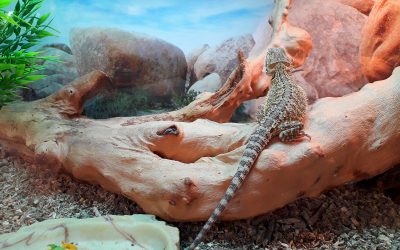
Bearded Dragons and Salmonella: How To Prevent Infection From Asymptomatic Carriers
In November 2020, 18 people infected with an outbreak strain of Salmonella were reported from 11 different states in the United States (thankfully there were no deaths!) [1]. Further evidence unveiled that contact with pet bearded dragons was the likely source of the outbreak [1]. Salmonella infections are zoonotic in nature, making them not only a veterinary health concern, but also a public health concern. While salmonellosis can affect a wide range of animals including birds, reptiles, amphib

Pathogen Spotlight of the Month: Streptococcus Pneumoniae
Is your small mammal having trouble breathing? Or perhaps you notice discharge from your furry friend’s nose? If you notice these changes, it is recommended you take your pet to an exotic pet veterinarian immediately, as your small mammal may be suffering from pneumonia! As one of the most common significant diseases in small mammals, pneumonia causes inflammation of the lungs may cause death if left untreated. Small mammals like rats, mice, hamsters, gerbils, guinea pigs, pygmy hedgehogs, and m
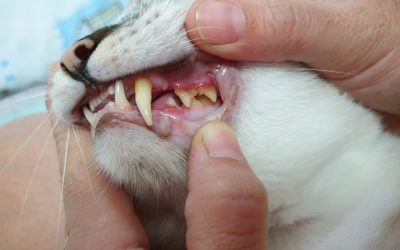
New Study: Antimicrobial Resistant Genes and Feline Chronic Gingivostomatitis
Does your cat’s “meowth” look red and swollen? If so, your friend may be suffering from feline chronic gingivostomatitis (FCGS), which is a painful and chronic inflammatory disease of the oral cavity that affects 0.7% to 12% of cats in their lifetime [1]. FCGS has a multifactorial etiology caused by a “hyper” immune response to one or more initial triggers. Feline chronic gingivostomatitis is uncomfortable at best for your furry friend, and if left untreated may result in serious health complica
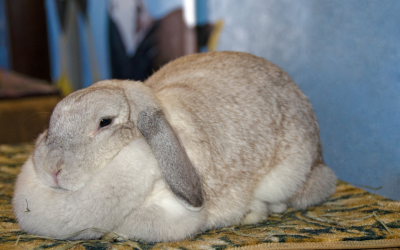
UTIs and Rabbits: Diagnosing Difficult-to-Culture Infections
Has your bunny been hopping to the bathroom more often than normal? Or maybe you’ve noticed that their urine has an abnormal color and/or consistency? While these behaviors may seem more puzzling than concerning, they could actually be indicative of a painful and dangerous urinary tract infection (UTI). Urinary Tract Infections in Rabbits With the help of Next-Gen Sequencing (NGS) technology, several recent studies have revealed that urine is not actually sterile, and the plethora of bacteria th

Interview with Dermatology Specialist: Dr. Alissa Rexo
Antibiotic resistance is an increasing global problem, both for public and animal health and welfare. Considering antibiotic resistance is influenced not only by human and animal antibiotic use, but also by intrinsic resistance exhibited by some pathogenic microorganisms, understanding the clinical implications of animal skin microbiomes is becoming increasingly important. With contemporary research employing the use of Next-Gen Sequencing to aptly characterize the skin microbiome of various ani

French Bulldog Skin Problems: Infections & the Nasomaxillary Skin Fold Microbiome
Bulldogs, boxers, and pugs, oh my! These are just a few of the many breeds of brachycephalic dogs, defined as dogs with flattened faces [1]. As cute as their smooshed faces may be, these breeds are particularly prone to skin infections (like intertrigo) due to moisture-retaining skin folds that provide the ideal breeding ground for opportunistic bacteria and fungi [1]. A recent study using Next-Gen DNA Sequencing (NGS) was conducted to assess the skin fold microbiome in healthy French bulldogs a

Dermatophytosis: Diagnosing Fungal Infections in Ferrets
Fungal infections are never fun, and your ferret agrees! Dermatophytosis, which is a fungal infection of the skin, hair, and/or nails, is particularly common in ferrets [1]. If your ferret seems to have an unusual skin condition, it is worthwhile to take your furry friend to an exotic pet veterinarian since your ferret may have a dermatophytosis infection. Dermatophytosis is uncomfortable but treatable; however, this fungal infection is highly contagious and is a zoonotic disease (meaning it can

Canine Leptospirosis: Diagnosing Infectious Diseases In Your Dog
Even though your dog may not be showing signs, if they have been exposed to unsanitary water or other infected animals, they may be suffering from leptospirosis. Dogs are particularly susceptible to this bacterial disease, which has seen an increasing prevalence with approximately 8.2% of dogs shedding the infectious pathogen [1]. Transmission of leptospirosis is largely due to environmental factors such as high precipitation rates, flooding, uncontrolled urban development, and poor sanitary con

Conjunctivitis: How to Detect Eye Infections in Your Pet Bird
Conjunctivitis, also known as an eye infection, commonly infects a wide variety of pet birds ranging from house finches to cockatiels, parakeets, and many more. Conjunctivitis can be caused by several different pathogens, which creates a highly variable disease presentation that makes conjunctivitis difficult to diagnose [1]. Considering the possibility of blindness and more severe outcomes, it is important for any bird owner to be aware of the signs of this difficult-to-diagnose disease. Conjun

Tyzzer’s Disease: Detecting Infectious Diseases in Gerbils
Although it is rare for your pet gerbil to get sick, there is one disease that your furry friend is particularly susceptible to: Tyzzer’s disease (TD). This often fatal disease is one of the most common infections in not only gerbils, but also guinea pigs, rats, hamsters, and rabbits [1]. Rodents such as gerbils are particularly prone to these infections in captive settings because transmission is often caused by improper husbandry [2]. These infections can be challenging to identify and resista
From Allergies to Infections: Why Does My Dog Have a Runny Nose?
Gesundheit! The medical term for a runny nose is rhinitis, and rhinitis can be classified as either mild or severe, and periodic or chronic [1]. Although it is normal for healthy dogs to have a slightly runny nose, more severe nasal discharge may indicate a serious medical condition. A pet owner can identify mild runny noses by a slight watery discharge and some sneezing, whereas a severe runny nose lasts longer and has a gooier, opaque discharge [1]. Symptoms characteristic of rhinitis include
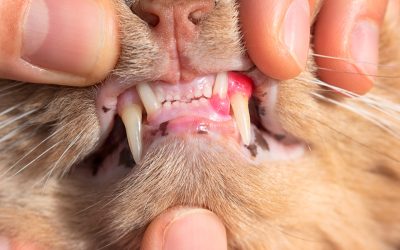
Feline Gingivostomatitis: Advancements in Clinical Diagnostics
Feline chronic gingivostomatitis (FCGS) is a painful, chronic inflammatory disease of the oral cavity that affects 0.7% to 12% of cats in their lifetime [1]. FCGS has a multifactorial etiology caused by a “hyper” immune response to one or more initial triggers. Therefore, a combination of understanding the conditions that cause FCGS and the infective pathogens themselves is critical in delivering quality healthcare to your cat. Feline chronic gingivostomatitis is uncomfortable at best for your f
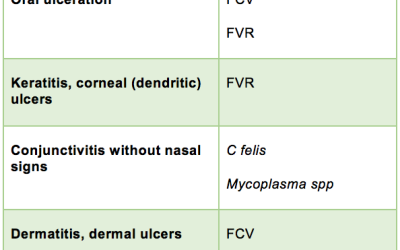
Feline Respiratory Disease Complex: How to Identify Respiratory Infections in Your Cat
If your cat is coughing up more than hairballs, your furry friend may have feline respiratory disease complex! Feline respiratory disease complex (FRDC) is an umbrella term for respiratory illnesses in cats caused by a group of organisms and/or viruses, and is estimated to occur in approximately 25.8% of cats in high-risk group settings [1]. FRDC, also known as feline upper respiratory infection (URI), can be complicated to treat due to possible secondary bacterial infections on top of the initi
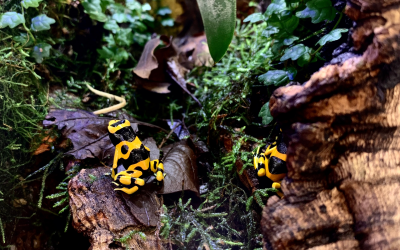
Red-leg Syndrome: Diagnosing Bacterial Dermatosepticemia in Amphibians
As one of the most common diseases in amphibians, bacterial dermatosepticemia is a fatal infectious disease seen in frogs, toads, and salamanders [1]. More commonly known as red-leg syndrome, bacterial dermatosepticemia is associated with dilation of the capillaries under their skin, which causes the characteristic redness on the underside of the amphibian’s legs and abdomen that is associated with the infectious disease [2]. While the initial exposure to opportunistic bacteria may be caused by

Three Bacterial Infections Chinchilla Parents Need to Know About
Chinchillas may clean themselves using dust baths, but that doesn’t mean these furry rodents can wash away infections easily. Reports of infectious disease prevalence in chinchilla communities are admittedly skewed due to most studies reporting prevalence based on fur-ranched chinchillas, but regardless, understanding possible sources of infections and how they manifest is critical for chinchilla owners [1]. It is important to note that while this article is going to focus on bacterial infection

Biofilm Formation and Antibiotic Resistance: Common Chronic Infections In Pets
The National Institute of Health estimates that approximately 65% to 80% of microbial infectious diseases are associated with bacterial biofilm [1]. Biofilms are defined as structured communities of bacterial cells enclosed in a self-produced polymer matrix that is attached to a surface, allowing for greater protection of bacteria to thrive in potentially hostile environments [2]. Biofilm-associated bacteria complicate both human and veterinary medicine, as these pathogens can cause chronic infe
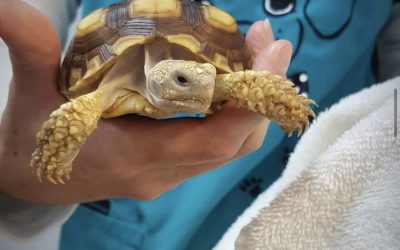
Mycoplasmosis: Tortoises and Upper Respiratory Tract Infections
While you might not expect a tortoise to be running anywhere, that doesn’t mean they don’t get runny noses! Tortoise mycoplasmosis is one of the most common diseases in tortoises and is the main cause of upper respiratory tract disease (URTD) in these slow-placed reptiles [1]. Therefore, a combination of understanding the conditions that cause the infection and the infective pathogens themselves is critical in delivering quality healthcare to your reptile. URTDs are uncomfortable at best for you

Cecal Dysbiosis in Rabbits: The Importance of Making Sure Your Rabbit’s Gut Is Healthy
Rabbit pellets may not look very appetizing to most, but your rabbit would beg to differ! This is because rabbits are coprophagic animals, meaning they eat cecotropes, which are nutrient-rich pellets similar to feces that contain the products of cecal fermentation (also known as hindgut fermentation) [1]. Cecal fermentation occurs in the region of the digestive tract called the cecum [1]. Rabbits produce cecotropes throughout the day and consume them directly from their rectum in a process known

Lop-eared Rabbits: Floppy Ears and Infection Risk
Hare me out—your lop-eared rabbit may be the cutest creature to hip-hop on this planet, but those floppy ears require special attention! If your bunny seems to be tilting their head and losing their balance, they may have an ear infection and need to visit an exotic pet veterinary specialist. Morphological differences between lop-eared rabbits versus wild-type straight-eared rabbits (caused by breeding preferences for floppy ears) account for the increased rates of cranial health issues in lop-e

Stomatitis: Diagnosing Mouth Infections in Reptiles
As one of the most common diseases in reptiles, stomatitis affects the oral cavity, tongue, palate, and/or esophagus. More commonly known as mouth rot, stomatitis is associated with inflammation of the mouth consisting of gingivitis, glossitis, palatitis, and cheilitis [1]. While the initial exposure to opportunistic bacteria may be caused by physical trauma within the mouth, environmental factors such as misguided caretaking and nutritional care create the framework for infectious agents to thr

Avian Chlamydiosis: How to Detect Bacterial Infections in Your Pet Bird
Your pet bird may be singing a different tune if they contract Avian Chlamydiosis. Avian Chlamydiosis is an infectious bacterial disease caused by Chlamydiophila psittaci, with the highest rates of infection being found in psittacine birds such as parrots, parakeets, macaws, and cockatiels [1]. Considering an estimated 16%-81% of parrots are infected with C. psittaci, it is important for any bird owner to be aware of signs of this difficult-to-diagnose disease [2]. Avian Chlamydiosis is painful
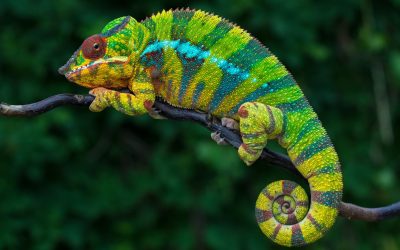
Three Bacterial Infections Your Chameleon May Hide From You
Chameleons are masters of disguise, especially when it comes to their well-being. Evolutionarily, chameleons have become adept at hiding possible sicknesses from predators, making it difficult for pet owners to identify warning signs of various maladies. Consequently, understanding possible sources of infections and how they manifest is critical for chameleon owners. It is important to note that while this article is going to focus on bacterial infections, there are several other diseases (rangi
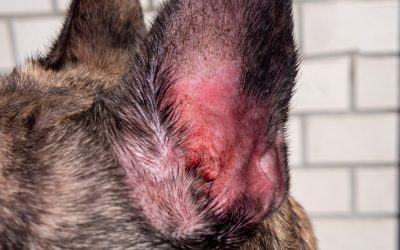
Otitis Externa: Understanding the Multifactorial Ear Disease
Huh? What? Who’s a good boy?
Odds are your dog’s hearing problems aren’t because they were listening to music too loud, but they may have an ear infection. Otitis externa (OE) is one of the most common ear diseases in canines and has a multifactorial etiology that is further complicated by secondary bacterial and/or yeast infections [1]. With the possibility of chronic OE causing hearing loss and even deafness, listen up and learn more about OE and its impact on your pup! What is Otitis Externa

Dog Urinary Tract Infections: Advancements in Clinical Diagnostics
The neighborhood fire hydrant, that lamp post with some certain joie de vivre, and that favorite patch of grass have all become experts in your dog’s urine. If your dog seems to be visiting their local bathroom more often than normal, perhaps it’s time you become an expert too! Urinary tract infections (UTIs) are painful and if left untreated can result in dangerous urogenital complications, and so early identification and intervention are beneficial. What Is a UTI? Canine UTIs are fairly common