
Blog

Unmasking Staphylococcus: How These Common Bacteria Lead to Pneumonia and Bronchitis in Dogs

Don’t Let Salmonella Sink Your Dog’s Health!

Microscopic Menace: Unraveling the Mystery of Mycobacterium Fortuitum in Pets and What Veterinarians Need to Know

Valley Fever in Dogs: Current Status, Presentation, and Diagnostic Advances

From Skepticism to Revolution: From Koch’s Foundations to the Promise of Next-Gen Sequencing in Disease Diagnosis

Understanding Eye Infections in Turtles: Pathogens, Challenges, and Solutions
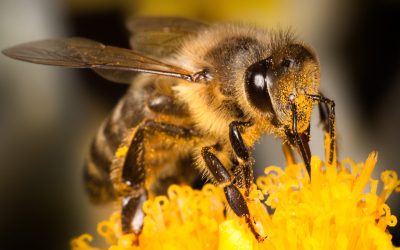
Exploring the Microbiome of Bees: Unveiling the Crucial Nexus of Bee Health and Ecosystem Stability

Exploring the Panda Gut Microbiome: Bacteria, Fungi, Protists, and Viruses Unveiled

The Impact of Living Near Industrial Areas on Bird Microbial Health

The Importance of Considering Antimicrobial Resistance When Treating Animals

Dermatophytosis in Hedgehogs

Effective Treatment Options for Bumblefoot in Rodents and Small Exotic Animals: A Comprehensive Guide
Bumblefoot (pododermatitis) is a skin infection on the feet of small pets like guinea pigs, rats, hamsters, ferrets, rabbits, and chinchillas. Here’s what you need to know about treating bumblefoot effectively and confidently in small exotic pets. What are the symptoms of bumblefoot in small exotic animals? In the early stages of bumblefoot, noticeable signs include swelling and redness on the footpad. A characteristic feature is the emergence of a swollen, pus-filled bump, which is often accomp