
Blog

Sneezing and Nasal Discharge in Dogs: The Complexity of Canine Rhinitis and Sinusitis
Has your pup been sneezing for a few days, or worse, a few months? You may be surprised to learn just how complicated that one clinical symptom can be. The underlying cause may be simple or serious and it can be frustrating for both pet owners and veterinarians alike during the process of working up Fido for a diagnosis. Next-Gen Sequencing (NGS) technology can assist your veterinarian as they determine the root cause of your pet pal’s symptoms. Rhinitis and Sinusitis: What Does It Look Like? Rh

Candidiasis in Birds: How to Detect Candida in Cockatiels
Has your pet bird not been strutting their feathers like they normally do? While dull plumage can indicate several ailments, one notable concern is avian candidiasis. Candida infections are most commonly caused by the opportunistic yeast Candida albicans, which most frequently impacts the gastrointestinal tract [1]. Because birds on broad-spectrum antibiotics are most at risk for candidiasis, it is important to get your pet seen at a vet immediately to avoid further complications [1]. Avian cand

New Study on Fecal Microbiota Analysis and Transplantation in Pilot Whales
Fecal microbiota transplantation (FMT) has been used in human and veterinary medicine to treat various gastrointestinal diseases including dysbiosis, but not until recently has FMT been used to treat pilot whales [1]! Marine mammals like pilot whales are particularly at risk for “infection by fecal-associated zoonotic pathogens” [2]. Considering gastrointestinal microbial diversity is essential for the health, survival, and regulation of the physiological function of the host, enteric infections
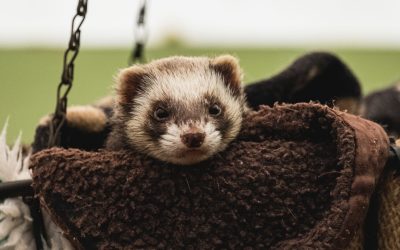
Diagnosing Urinary Tract Infections in Ferrets
Did you know that ferrets are predisposed to a variety of renal diseases? Their unique physiology includes low levels of creatinine, which can cause urogenital issues pet owners need to be on the lookout for. If your ferret seems to be straining to urinate, it is worthwhile to take your furry friend to a ferret veterinarian since your ferret may have a urinary tract infection. Urinary tract infections are painful and if left untreated can result in dangerous urogenital complications, so early id
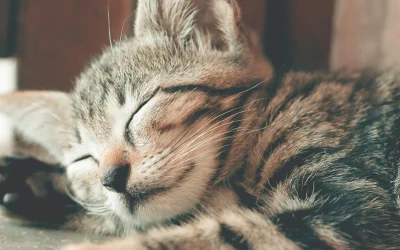
Diagnosing Feline Fungal Infections
Just like humans, cats can suffer fungal infections! Fungi are parasitic spore-producing organisms that feed on organic matter. While there are roughly 144,000 known species of fungi that exist, cats are susceptible to only select fungal infections. Fungal infections can be passed on to cats through ingestion, inhalation, and absorption through skin, with environmental exposure to soil with pathogenic fungus being the primary mode of transmission for cats. And so without further ado, here are th

Avian Aspergillosis: Diagnosing Fungal Respiratory Tract Infections
Just like humans, birds can experience fungal infections too! Aspergillosis is a common fungal infection in pet birds that impacts both the upper respiratory tract (eyes, sinuses, nose, and trachea) and lower respiratory tract (lungs and air sacs). This infection is caused by opportunistic fungi from Aspergillus spp., and can be challenging to identify and resistant to treatment. Consequently, it is important for any bird owner to be aware of signs of this difficult-to-diagnose disease. Aspergil

Ferrets and the Gut Microbiome: Diagnosing Diarrheal Diseases in Ferrets
Is your favorite, meat-eating friend suffering from loose, watery stool? While the cause of diarrhea in ferrets ranges greatly, one common cause can be a disruption to their gut microbiome. If your ferret seems to be suffering from prolonged gastrointestinal issues (more than 2 days), it is worthwhile to take your furry friend to a ferret veterinarian since your ferret may have a gastrointestinal infection. Diarrheal diseases are painful and if left untreated can result in dangerous complication

Pasteurellosis in Rabbits: Advancements in Clinical Diagnostics
Did you know that approximately 30%-90% of seemingly healthy rabbits may be asymptomatic carriers of Pasteurella multocida [1]? This bacterium causes pasteurellosis, which commonly impacts not only the rabbit’s respiratory system, but can also localize in eyes, ears, skin, reproductive organs, and more [1]. While the symptoms of pasteurellosis are broad and may appear benign, visiting a veterinarian is crucial in preventing the disease from becoming chronic and difficult to control. Symptoms of

Why is My Cat Itching?: Allergies and the Feline Microbiome
Has your cat been itching and scratching their skin more often than normal? If so, your furry friend may be suffering from feline dermatitis! Feline dermatitis is a general term that describes inflammation or irritation of the skin [1]. This condition can manifest in several ways, and has long been associated with allergies and environmental factors [2]. However, Next-Gen Sequencing (NGS) technology has allowed veterinarians and researchers to understand the more complex, multifactorial etiology
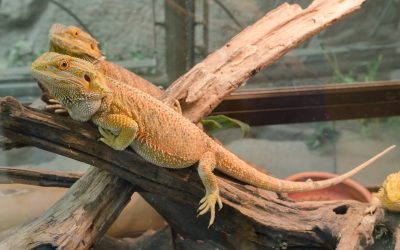
Bearded Dragons and Pneumonia: How To Identify Upper Respiratory Infections in My Reptile
Captive bearded dragons are particularly at risk for respiratory infections (like pneumonia), which are often caused due to a weakened immune system. Environment plays a key role in the pathogenesis of pneumonia, and so it is useful for pet owners to know the proper husbandry to take care of bearded dragons, which are the most popular pet reptile [1]. Upper respiratory infections are uncomfortable for your scaly friend and may result in death if left untreated. Early intervention is beneficial f
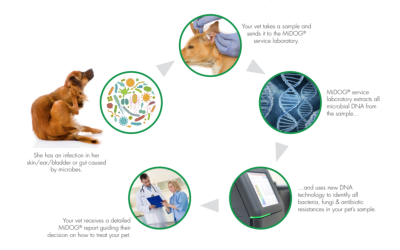
Next-Gen DNA Sequencing Technology in Veterinary Medicine
DNA (also known as deoxyribonucleic acid) has long been nicknamed the “blueprint for life”, providing the genetic codes that make existence for all organisms possible [1]. From animals to bacteria to fungi, each organism’s genetic code is what makes them unique and can also provide an abundance of information for clinical uses. Specifically, the development of high throughput molecular technologies alongside bioinformatics analyses in the 21st century has radically changed the abilities of veter

Skin Microbiota of Quaker Parrots: Advancements in Avian Clinical Diagnostics
Feather damaging behavior (FDB) is particularly common in captive birds, with an estimated prevalence rate of 11.7% in psittacines [1]. FDB can be difficult for pet owners and veterinarians to prevent, and can often be debilitating for your feathery friend. Fortunately, new research on this difficult-to-treat condition is on the horizon! In the past, diagnosing parrot skin diseases has proven to be difficult because there has not been a baseline for the parrot epidermal microbiome, both in birds