
Blog

French Bulldog Skin Problems: Infections & the Nasomaxillary Skin Fold Microbiome
Bulldogs, boxers, and pugs, oh my! These are just a few of the many breeds of brachycephalic dogs, defined as dogs with flattened faces [1]. As cute as their smooshed faces may be, these breeds are particularly prone to skin infections (like intertrigo) due to moisture-retaining skin folds that provide the ideal breeding ground for opportunistic bacteria and fungi [1]. A recent study using Next-Gen DNA Sequencing (NGS) was conducted to assess the skin fold microbiome in healthy French bulldogs a

Dermatophytosis: Diagnosing Fungal Infections in Ferrets
Fungal infections are never fun, and your ferret agrees! Dermatophytosis, which is a fungal infection of the skin, hair, and/or nails, is particularly common in ferrets [1]. If your ferret seems to have an unusual skin condition, it is worthwhile to take your furry friend to an exotic pet veterinarian since your ferret may have a dermatophytosis infection. Dermatophytosis is uncomfortable but treatable; however, this fungal infection is highly contagious and is a zoonotic disease (meaning it can

Canine Leptospirosis: Diagnosing Infectious Diseases In Your Dog
Even though your dog may not be showing signs, if they have been exposed to unsanitary water or other infected animals, they may be suffering from leptospirosis. Dogs are particularly susceptible to this bacterial disease, which has seen an increasing prevalence with approximately 8.2% of dogs shedding the infectious pathogen [1]. Transmission of leptospirosis is largely due to environmental factors such as high precipitation rates, flooding, uncontrolled urban development, and poor sanitary con

Conjunctivitis: How to Detect Eye Infections in Your Pet Bird
Conjunctivitis, also known as an eye infection, commonly infects a wide variety of pet birds ranging from house finches to cockatiels, parakeets, and many more. Conjunctivitis can be caused by several different pathogens, which creates a highly variable disease presentation that makes conjunctivitis difficult to diagnose [1]. Considering the possibility of blindness and more severe outcomes, it is important for any bird owner to be aware of the signs of this difficult-to-diagnose disease. Conjun

Interview with Exotic Pet Veterinarian Dr. Shachar Malka
With an estimated 19.4 million American households and 1.4 million Canadian households owning exotic pets, it’s no wonder the demand for exotic pet veterinarians has only been increasing. Unfortunately, many pet owners are unaware of the differences between a general veterinarian and a veterinarian who specializes in birds and exotic pets. It is important for any exotic pet owner to find a veterinarian whose expertise lies in the field of their pet’s field of medicine; from diagnostic and clinic

Tyzzer’s Disease: Detecting Infectious Diseases in Gerbils
Although it is rare for your pet gerbil to get sick, there is one disease that your furry friend is particularly susceptible to: Tyzzer’s disease (TD). This often fatal disease is one of the most common infections in not only gerbils, but also guinea pigs, rats, hamsters, and rabbits [1]. Rodents such as gerbils are particularly prone to these infections in captive settings because transmission is often caused by improper husbandry [2]. These infections can be challenging to identify and resista
From Allergies to Infections: Why Does My Dog Have a Runny Nose?
Gesundheit! The medical term for a runny nose is rhinitis, and rhinitis can be classified as either mild or severe, and periodic or chronic [1]. Although it is normal for healthy dogs to have a slightly runny nose, more severe nasal discharge may indicate a serious medical condition. A pet owner can identify mild runny noses by a slight watery discharge and some sneezing, whereas a severe runny nose lasts longer and has a gooier, opaque discharge [1]. Symptoms characteristic of rhinitis include
Feline Gingivostomatitis: Advancements in Clinical Diagnostics
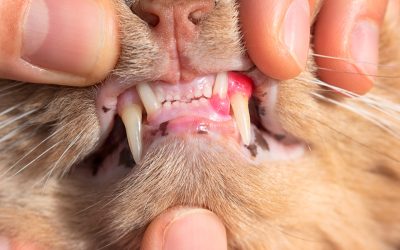
Feline chronic gingivostomatitis (FCGS) is a painful, chronic inflammatory disease of the oral cavity that affects 0.7% to 12% of cats in their lifetime [1]. FCGS has a multifactorial etiology caused by a “hyper” immune response to one or more initial triggers. Therefore, a combination of understanding the conditions that cause FCGS and the infective pathogens themselves is critical in delivering quality healthcare to your cat. Feline chronic gingivostomatitis is uncomfortable at best for your f
Reptilian Fungal Infections: Diagnosing Yellow Fungus Disease
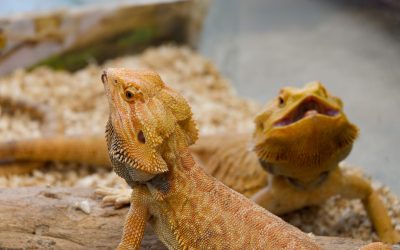
Who you calling yellow-bellied? It may not be your reptile’s lack of courage, but rather an infection causing the yellow hue on your scaly friend’s skin. This infection goes by several names, including Chrysosporium anamorph of Nannizziopsis vriesii (CANV), Yellow Fungus Disease (YFD), CANV mycosis, and most recently Onygenalean Dermatomycoses [1]. Debate surrounding the name of the disease stems largely from advancements in technology that have revealed several microorganisms can cause this inf

Pruritus in Dogs: Home Remedies for Dogs With Itchy Skin
They scritch and they scratch, but the itch doesn’t seem to go away! Pruritus, the medical term for itching, is one of the most common reasons for dog parents to bring their furry friend to the veterinarian [1]. Pruritus can indicate several medical conditions, ranging from flea allergy dermatitis, seasonal allergies, food allergies, contact dermatitis, sarcoptic mange, and more [1]. Moreover, pruritus has a multifactorial etiology that can be further complicated by secondary bacterial infection
Feline Respiratory Disease Complex: How to Identify Respiratory Infections in Your Cat
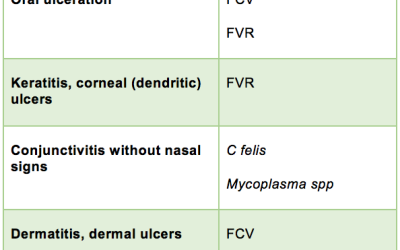
If your cat is coughing up more than hairballs, your furry friend may have feline respiratory disease complex! Feline respiratory disease complex (FRDC) is an umbrella term for respiratory illnesses in cats caused by a group of organisms and/or viruses, and is estimated to occur in approximately 25.8% of cats in high-risk group settings [1]. FRDC, also known as feline upper respiratory infection (URI), can be complicated to treat due to possible secondary bacterial infections on top of the initi
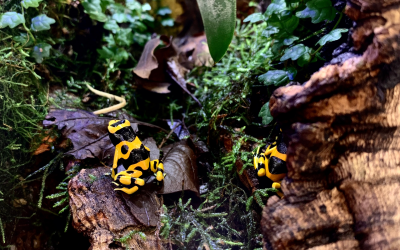
Red-leg Syndrome: Diagnosing Bacterial Dermatosepticemia in Amphibians
As one of the most common diseases in amphibians, bacterial dermatosepticemia is a fatal infectious disease seen in frogs, toads, and salamanders [1]. More commonly known as red-leg syndrome, bacterial dermatosepticemia is associated with dilation of the capillaries under their skin, which causes the characteristic redness on the underside of the amphibian’s legs and abdomen that is associated with the infectious disease [2]. While the initial exposure to opportunistic bacteria may be caused by