
Blog

The Salamander Plague: Detecting Fungal Infections in Amphibians
Salamander chytrid disease, also known as salamander chytridiomycosis, is an infectious fungal disease that has had significant impacts on the biodiversity of salamanders in Asia and Europe within the last decade [1]. While the disease is not yet present in North America, it is critical to know the warning signs of this fast spreading disease should chytridiomycosis invade native salamander populations. Just in Europe, an outbreak of chytrid disease was associated with a greater than 96% mortali

Pathogen Spotlight of the Month: Escherichia Coli
If your cat has been struggling to use the litterbox, they might be suffering from a urinary tract infection (UTI)! While UTIs are less common in younger cats, these infections progress to feline lower urinary tract disorders in 40-45% of cats older than 10 years [1]. Feline urine even in a healthy state is not sterile, and is home to a plethora of bacteria; however, when pathogenic bacteria are able to outcompete healthy bacteria, urinary tract infections may manifest. Escherichia coli has long

Bearded Dragons and Salmonella: How To Prevent Infection From Asymptomatic Carriers
In November 2020, 18 people infected with an outbreak strain of Salmonella were reported from 11 different states in the United States (thankfully there were no deaths!) [1]. Further evidence unveiled that contact with pet bearded dragons was the likely source of the outbreak [1]. Salmonella infections are zoonotic in nature, making them not only a veterinary health concern, but also a public health concern. While salmonellosis can affect a wide range of animals including birds, reptiles, amphib

Pathogen Spotlight of the Month: Streptococcus Pneumoniae
Is your small mammal having trouble breathing? Or perhaps you notice discharge from your furry friend’s nose? If you notice these changes, it is recommended you take your pet to an exotic pet veterinarian immediately, as your small mammal may be suffering from pneumonia! As one of the most common significant diseases in small mammals, pneumonia causes inflammation of the lungs may cause death if left untreated. Small mammals like rats, mice, hamsters, gerbils, guinea pigs, pygmy hedgehogs, and m

Three Common Causes of Respiratory Disorders in Guinea Pigs
March is “Adopt a Guinea Pig” month, and it is important for current and future guinea pig parents to learn about common respiratory disorders in this small mammal! One study suggests that approximately 40% of guinea pigs seen by a veterinarian have been diagnosed with a bacterial infection, with upper respiratory infections being the most commonly reported [1]. However, because guinea pigs are extremely sensitive to the effects of many antibiotics, understanding possible sources of infections a

Periodontitis and Fungi: Uncovering the Clinical Relevance of the Oral Mycobiome
Did you know that even if your dog is healthy, they likely have fungal species present in their oral cavity [1]? While fungi are normal components of the canine oral microbiome, in dysbiotic states fungal infections may be associated with the development of periodontitis, an infection that causes inflammation in the oral tissue surrounding and supporting their teeth. Periodontitis is caused by plaque, bacteria, and your dog’s immunologic response to these pathogens, which results in inflammation
Periodontal Disease in Dogs: Characterizing the Oral Bacteriome
Cheese! Has your dog’s smile been looking inflamed? If so, your furry friend may have an infection and inflammation in the oral tissue surrounding and supporting their teeth. This condition is known as periodontitis and is caused by plaque, bacteria, and your dog’s immunologic response to these pathogens, which results in inflammation of the periodontal ligament and alveolar bone [1]. Although the etiology of periodontitis is complex, advancements in diagnostic technology have allowed for an inc
New Study: Antimicrobial Resistant Genes and Feline Chronic Gingivostomatitis
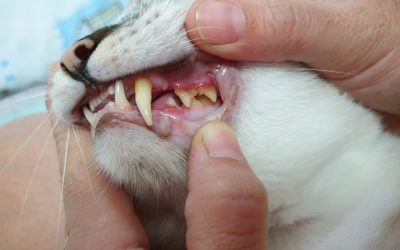
Does your cat’s “meowth” look red and swollen? If so, your friend may be suffering from feline chronic gingivostomatitis (FCGS), which is a painful and chronic inflammatory disease of the oral cavity that affects 0.7% to 12% of cats in their lifetime [1]. FCGS has a multifactorial etiology caused by a “hyper” immune response to one or more initial triggers. Feline chronic gingivostomatitis is uncomfortable at best for your furry friend, and if left untreated may result in serious health complica
UTIs and Rabbits: Diagnosing Difficult-to-Culture Infections
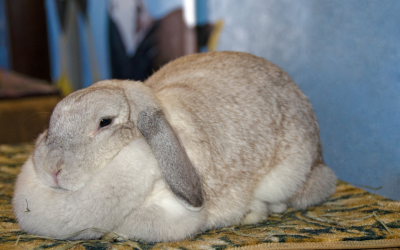
Has your bunny been hopping to the bathroom more often than normal? Or maybe you’ve noticed that their urine has an abnormal color and/or consistency? While these behaviors may seem more puzzling than concerning, they could actually be indicative of a painful and dangerous urinary tract infection (UTI). Urinary Tract Infections in Rabbits With the help of Next-Gen Sequencing (NGS) technology, several recent studies have revealed that urine is not actually sterile, and the plethora of bacteria th

Webinar: Effect of Topical Medication on The Nasomaxillary Skin Fold Microbiome of French Bulldogs
A recent study was conducted using MiDOG NGS technology to assess the skin fold microbiome in healthy French bulldogs. This study found that the primary skin bacterial phyla populating the nasomaxillary skin fold were Firmicutes, and Proteobacteria, while the primary skin fungal phyla were Ascomycota and Basidiomycota. Also, the researchers noted a significant correlation between the abundance of potentially opportunistic pathogens and microbial diversity. Healthy French bulldogs contained high

Interview with Dermatology Specialist: Dr. Alissa Rexo (Part 2)
Antibiotic resistance is an increasing global problem, both for public and animal health and welfare. Considering antibiotic resistance is influenced not only by human and animal antibiotic use, but also by intrinsic resistance exhibited by some pathogenic microorganisms, understanding the clinical implications of animal skin microbiomes is becoming increasingly important. With contemporary research employing the use of Next-Gen Sequencing to aptly characterize the skin microbiome of various ani

Interview with Dermatology Specialist: Dr. Alissa Rexo
Antibiotic resistance is an increasing global problem, both for public and animal health and welfare. Considering antibiotic resistance is influenced not only by human and animal antibiotic use, but also by intrinsic resistance exhibited by some pathogenic microorganisms, understanding the clinical implications of animal skin microbiomes is becoming increasingly important. With contemporary research employing the use of Next-Gen Sequencing to aptly characterize the skin microbiome of various ani