Veterinary Best Practices

Benefits of Next-Generation Sequencing in Veterinary Dermatology, According to Dr. Richard Harvey

World Rabies Day 2023: What to Know About Rabies for All Pets
Rabies is a deadly disease that can impact anyone, not just your furry friends! It is a zoonotic infection, meaning that it is transmitted between animals, and animals can pass it on to humans. World Rabies Day is celebrated to bring awareness to this fatal infection and the importance of staying up to date with pet vaccination records to prevent its spread to you and the pets you care for! The World Rabies Day 2023 theme is “All for 1, One Health for all” to share the idea that rabies infects m

Why is My Cat Itching?: Allergies and the Feline Microbiome
Has your cat been itching and scratching their skin more often than normal? If so, your furry friend may be suffering from feline dermatitis! Feline dermatitis is a general term that describes inflammation or irritation of the skin [1]. This condition can manifest in several ways, and has long been associated with allergies and environmental factors [2]. However, Next-Gen Sequencing (NGS) technology has allowed veterinarians and researchers to understand the more complex, multifactorial etiology
Next-Gen DNA Sequencing Technology in Veterinary Medicine
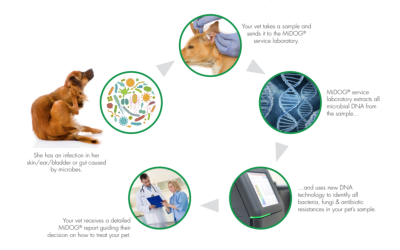
DNA (also known as deoxyribonucleic acid) has long been nicknamed the “blueprint for life”, providing the genetic codes that make existence for all organisms possible [1]. From animals to bacteria to fungi, each organism’s genetic code is what makes them unique and can also provide an abundance of information for clinical uses. Specifically, the development of high throughput molecular technologies alongside bioinformatics analyses in the 21st century has radically changed the abilities of veter

Interview with Dermatology Specialist: Dr. Alissa Rexo (Part 2)
Antibiotic resistance is an increasing global problem, both for public and animal health and welfare. Considering antibiotic resistance is influenced not only by human and animal antibiotic use, but also by intrinsic resistance exhibited by some pathogenic microorganisms, understanding the clinical implications of animal skin microbiomes is becoming increasingly important. With contemporary research employing the use of Next-Gen Sequencing to aptly characterize the skin microbiome of various ani

Interview with Dermatology Specialist: Dr. Alissa Rexo
Antibiotic resistance is an increasing global problem, both for public and animal health and welfare. Considering antibiotic resistance is influenced not only by human and animal antibiotic use, but also by intrinsic resistance exhibited by some pathogenic microorganisms, understanding the clinical implications of animal skin microbiomes is becoming increasingly important. With contemporary research employing the use of Next-Gen Sequencing to aptly characterize the skin microbiome of various ani