Marine Mammal
Harnessing Next-Generation Sequencing to Combat Aeromonas veronii Infections in Marine Mammals Exposed to Contaminated Water
Microscopic Menace: Unraveling the Mystery of Mycobacterium Fortuitum in Pets and What Veterinarians Need to Know
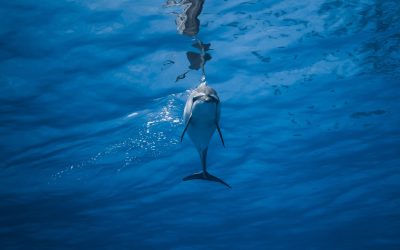
Dolphin GI Infections: Diagnose & Treat Gastrointestinal Infections in Cetaceans
Like humans and other vertebrate species, marine mammals are prone to a variety of ailments, including gastrointestinal (GI) infections, which sometimes occur when environmental stressors compromise the immune system. These charismatic megafauna, especially dolphins, have been well studied because of their presence in managed care facilities and wild stocks worldwide. Like most wild species, marine mammals are skilled at masking disease signs to prevent predation and help prolong survival. In fa

New Study on Fecal Microbiota Analysis and Transplantation in Pilot Whales
Fecal microbiota transplantation (FMT) has been used in human and veterinary medicine to treat various gastrointestinal diseases including dysbiosis, but not until recently has FMT been used to treat pilot whales [1]! Marine mammals like pilot whales are particularly at risk for “infection by fecal-associated zoonotic pathogens” [2]. Considering gastrointestinal microbial diversity is essential for the health, survival, and regulation of the physiological function of the host, enteric infections