

Exotic Pets

What’s up Doc?: Tackling Encephalitozoon cuniculi in Rabbits
A Preliminary Investigation of the Gastrointestinal Bacterial Microbiomes of Barred Owls (Strix varia) Admitted to a Wildlife Hospital

First Genome of Cryptosporidium serpentis Unlocks New Era in Exotic Animal Diagnostics

Pasteurella Multocida and its Impact on Veterinary Medicine

Mycoplasma Mysteries in Rabbits: How Insights from Next-Generation Sequencing of Mycoplasma Could Redefine Respiratory Care in Rabbit Noses
Microscopic Menace: Unraveling the Mystery of Mycobacterium Fortuitum in Pets and What Veterinarians Need to Know

Understanding Eye Infections in Turtles: Pathogens, Challenges, and Solutions

Exploring the Panda Gut Microbiome: Bacteria, Fungi, Protists, and Viruses Unveiled

The Impact of Living Near Industrial Areas on Bird Microbial Health

Dermatophytosis in Hedgehogs

Effective Treatment Options for Bumblefoot in Rodents and Small Exotic Animals: A Comprehensive Guide
Bumblefoot (pododermatitis) is a skin infection on the feet of small pets like guinea pigs, rats, hamsters, ferrets, rabbits, and chinchillas. Here’s what you need to know about treating bumblefoot effectively and confidently in small exotic pets. What are the symptoms of bumblefoot in small exotic animals? In the early stages of bumblefoot, noticeable signs include swelling and redness on the footpad. A characteristic feature is the emergence of a swollen, pus-filled bump, which is often accomp

Bumblefoot in Birds and Chickens: Understanding the Causes, Symptoms, and Treatment Challenges
Bumblefoot, also known as pododermatitis, is a common infection in captive birds and chickens that can be unassuming but fatal if left untreated. This article aims to provide a comprehensive guide on how to effectively treat bumblefoot in avian patients. We will delve into: What causes bumblefoot? What are the stages of bumblefoot symptoms? FAQ for pet owners on bumblefoot in birds FAQ for pet owners on bumblefoot in chickens Why can bumblefoot treatment be difficult? Causes of bumblefoot Bumble
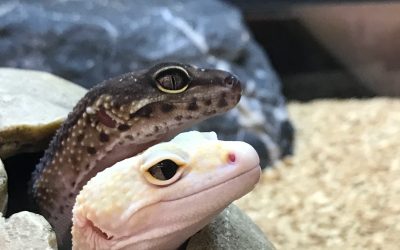
Treating Bacterial Conjunctivitis: Leopard Gecko Eye Infection Diagnoses
In a retrospective study, 52 out of 112 leopard geckos had an eye infection such as conjunctivitis. [1] Here’s what you need to know about bacterial conjunctivitis, or pink eye, in leopard geckos. Leopard geckos are popular pocket pets because of their large, colorful eyes. However, captive leopard geckos are extremely likely to develop an eye infection because of their unique eyelid structure. Most geckos have spectacle eyelids, whereas leopard geckos have crinkled eyelids that are fully moveab

Optimizing Treatment for Nasal Infections in Pet Bunnies: Rabbit Chronic Rhinosinusitis

Dolphin GI Infections: Diagnose & Treat Gastrointestinal Infections in Cetaceans
Like humans and other vertebrate species, marine mammals are prone to a variety of ailments, including gastrointestinal (GI) infections, which sometimes occur when environmental stressors compromise the immune system. These charismatic megafauna, especially dolphins, have been well studied because of their presence in managed care facilities and wild stocks worldwide. Like most wild species, marine mammals are skilled at masking disease signs to prevent predation and help prolong survival. In fa

Ringworm in Guinea Pigs: Bald Spots, Scratching, and the Road to Relief
Guinea pigs are very social creatures with a host of emotions packed into little bodies. They make wonderful pets for children or adults and will show you their appreciation with a variety of chirps and squeals when they’re excited and happy. Think of them as tiny Siberian Huskies; heightened emotional states and are very vocal about them. When you first brought little Wilbur home, he may have been a bit shy. Then he learned the sound of the refrigerator as the source of all his fresh vegetables

Candidiasis in Birds: How to Detect Candida in Cockatiels
Has your pet bird not been strutting their feathers like they normally do? While dull plumage can indicate several ailments, one notable concern is avian candidiasis. Candida infections are most commonly caused by the opportunistic yeast Candida albicans, which most frequently impacts the gastrointestinal tract [1]. Because birds on broad-spectrum antibiotics are most at risk for candidiasis, it is important to get your pet seen at a vet immediately to avoid further complications [1]. Avian cand

Avian Aspergillosis: Diagnosing Fungal Respiratory Tract Infections
Just like humans, birds can experience fungal infections too! Aspergillosis is a common fungal infection in pet birds that impacts both the upper respiratory tract (eyes, sinuses, nose, and trachea) and lower respiratory tract (lungs and air sacs). This infection is caused by opportunistic fungi from Aspergillus spp., and can be challenging to identify and resistant to treatment. Consequently, it is important for any bird owner to be aware of signs of this difficult-to-diagnose disease. Aspergil

Ferrets and the Gut Microbiome: Diagnosing Diarrheal Diseases in Ferrets
Is your favorite, meat-eating friend suffering from loose, watery stool? While the cause of diarrhea in ferrets ranges greatly, one common cause can be a disruption to their gut microbiome. If your ferret seems to be suffering from prolonged gastrointestinal issues (more than 2 days), it is worthwhile to take your furry friend to a ferret veterinarian since your ferret may have a gastrointestinal infection. Diarrheal diseases are painful and if left untreated can result in dangerous complication
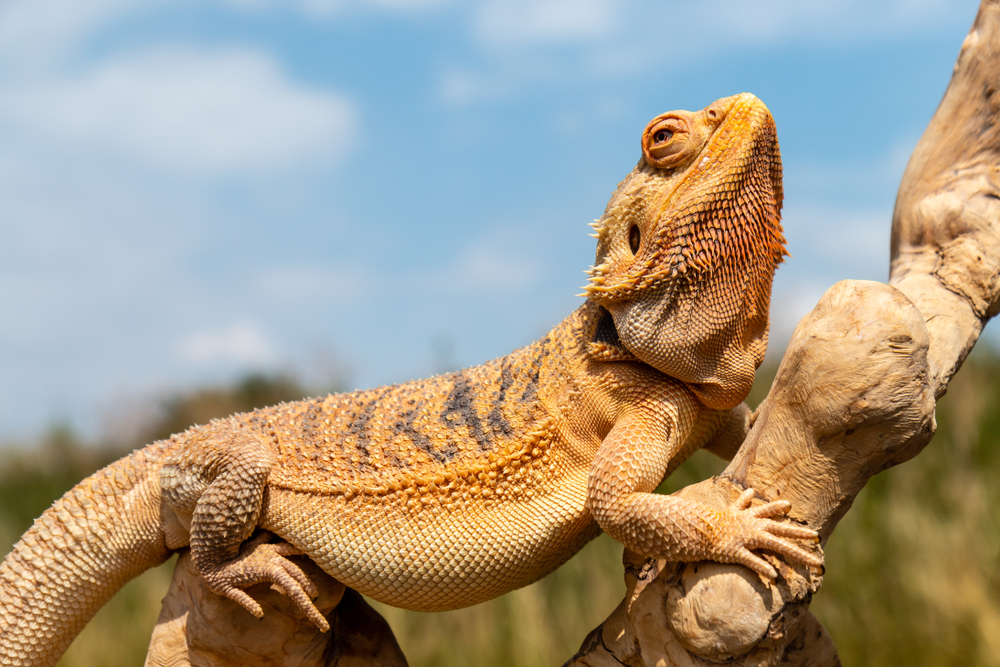
Bearded Dragons and Pneumonia: How To Identify Upper Respiratory Infections in My Reptile
Captive bearded dragons are particularly at risk for respiratory infections (like pneumonia), which are often caused due to a weakened immune system. Environment plays a key role in the pathogenesis of pneumonia, and so it is useful for pet owners to know the proper husbandry to take care of bearded dragons, which are the most popular pet reptile [1]. Upper respiratory infections are uncomfortable for your scaly friend and may result in death if left untreated. Early intervention is beneficial f

Skin Microbiota of Quaker Parrots: Advancements in Avian Clinical Diagnostics
Feather damaging behavior (FDB) is particularly common in captive birds, with an estimated prevalence rate of 11.7% in psittacines [1]. FDB can be difficult for pet owners and veterinarians to prevent, and can often be debilitating for your feathery friend. Fortunately, new research on this difficult-to-treat condition is on the horizon! In the past, diagnosing parrot skin diseases has proven to be difficult because there has not been a baseline for the parrot epidermal microbiome, both in birds

The Salamander Plague: Detecting Fungal Infections in Amphibians
Salamander chytrid disease, also known as salamander chytridiomycosis, is an infectious fungal disease that has had significant impacts on the biodiversity of salamanders in Asia and Europe within the last decade [1]. While the disease is not yet present in North America, it is critical to know the warning signs of this fast spreading disease should chytridiomycosis invade native salamander populations. Just in Europe, an outbreak of chytrid disease was associated with a greater than 96% mortali

Bearded Dragons and Salmonella: How To Prevent Infection From Asymptomatic Carriers
In November 2020, 18 people infected with an outbreak strain of Salmonella were reported from 11 different states in the United States (thankfully there were no deaths!) [1]. Further evidence unveiled that contact with pet bearded dragons was the likely source of the outbreak [1]. Salmonella infections are zoonotic in nature, making them not only a veterinary health concern, but also a public health concern. While salmonellosis can affect a wide range of animals including birds, reptiles, amphib

Three Common Causes of Respiratory Disorders in Guinea Pigs
March is “Adopt a Guinea Pig” month, and it is important for current and future guinea pig parents to learn about common respiratory disorders in this small mammal! One study suggests that approximately 40% of guinea pigs seen by a veterinarian have been diagnosed with a bacterial infection, with upper respiratory infections being the most commonly reported [1]. However, because guinea pigs are extremely sensitive to the effects of many antibiotics, understanding possible sources of infections a

Conjunctivitis: How to Detect Eye Infections in Your Pet Bird
Conjunctivitis, also known as an eye infection, commonly infects a wide variety of pet birds ranging from house finches to cockatiels, parakeets, and many more. Conjunctivitis can be caused by several different pathogens, which creates a highly variable disease presentation that makes conjunctivitis difficult to diagnose [1]. Considering the possibility of blindness and more severe outcomes, it is important for any bird owner to be aware of the signs of this difficult-to-diagnose disease. Conjun

Interview with Exotic Pet Veterinarian Dr. Shachar Malka
With an estimated 19.4 million American households and 1.4 million Canadian households owning exotic pets, it’s no wonder the demand for exotic pet veterinarians has only been increasing. Unfortunately, many pet owners are unaware of the differences between a general veterinarian and a veterinarian who specializes in birds and exotic pets. It is important for any exotic pet owner to find a veterinarian whose expertise lies in the field of their pet’s field of medicine; from diagnostic and clinic

Tyzzer’s Disease: Detecting Infectious Diseases in Gerbils
Although it is rare for your pet gerbil to get sick, there is one disease that your furry friend is particularly susceptible to: Tyzzer’s disease (TD). This often fatal disease is one of the most common infections in not only gerbils, but also guinea pigs, rats, hamsters, and rabbits [1]. Rodents such as gerbils are particularly prone to these infections in captive settings because transmission is often caused by improper husbandry [2]. These infections can be challenging to identify and resista
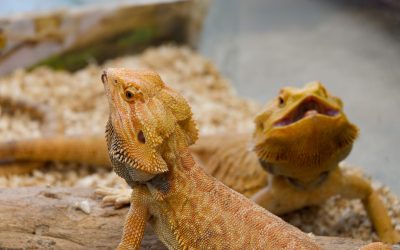
Reptilian Fungal Infections: Diagnosing Yellow Fungus Disease
Who you calling yellow-bellied? It may not be your reptile’s lack of courage, but rather an infection causing the yellow hue on your scaly friend’s skin. This infection goes by several names, including Chrysosporium anamorph of Nannizziopsis vriesii (CANV), Yellow Fungus Disease (YFD), CANV mycosis, and most recently Onygenalean Dermatomycoses [1]. Debate surrounding the name of the disease stems largely from advancements in technology that have revealed several microorganisms can cause this inf
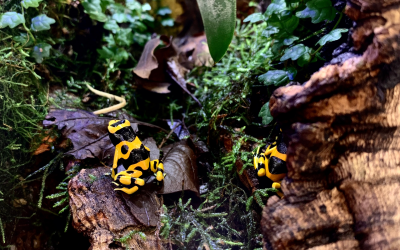
Red-leg Syndrome: Diagnosing Bacterial Dermatosepticemia in Amphibians
As one of the most common diseases in amphibians, bacterial dermatosepticemia is a fatal infectious disease seen in frogs, toads, and salamanders [1]. More commonly known as red-leg syndrome, bacterial dermatosepticemia is associated with dilation of the capillaries under their skin, which causes the characteristic redness on the underside of the amphibian’s legs and abdomen that is associated with the infectious disease [2]. While the initial exposure to opportunistic bacteria may be caused by

Three Bacterial Infections Chinchilla Parents Need to Know About
Chinchillas may clean themselves using dust baths, but that doesn’t mean these furry rodents can wash away infections easily. Reports of infectious disease prevalence in chinchilla communities are admittedly skewed due to most studies reporting prevalence based on fur-ranched chinchillas, but regardless, understanding possible sources of infections and how they manifest is critical for chinchilla owners [1]. It is important to note that while this article is going to focus on bacterial infection

Mycobacterium Infections and Your Exotic Bird: How to Detect Avian Tuberculosis
The saying fine feathers make fine birds holds some truth, as the state of your exotic bird’s feather can indicate the health status of your feathery friend. While poor feathering can indicate several ailments, one notable concern is avian tuberculosis. Avian tuberculosis can be caused by several mycobacterial species, with tubercular nodules presenting in an infected bird’s liver, spleen, intestine, lungs, air sacs, skin, and/or bone marrow [1]. This infection is challenging to identify and res
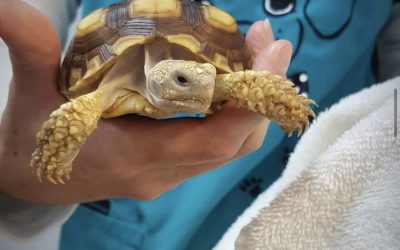
Mycoplasmosis: Tortoises and Upper Respiratory Tract Infections
While you might not expect a tortoise to be running anywhere, that doesn’t mean they don’t get runny noses! Tortoise mycoplasmosis is one of the most common diseases in tortoises and is the main cause of upper respiratory tract disease (URTD) in these slow-placed reptiles [1]. Therefore, a combination of understanding the conditions that cause the infection and the infective pathogens themselves is critical in delivering quality healthcare to your reptile. URTDs are uncomfortable at best for you

Cecal Dysbiosis in Rabbits: The Importance of Making Sure Your Rabbit’s Gut Is Healthy
Rabbit pellets may not look very appetizing to most, but your rabbit would beg to differ! This is because rabbits are coprophagic animals, meaning they eat cecotropes, which are nutrient-rich pellets similar to feces that contain the products of cecal fermentation (also known as hindgut fermentation) [1]. Cecal fermentation occurs in the region of the digestive tract called the cecum [1]. Rabbits produce cecotropes throughout the day and consume them directly from their rectum in a process known

Lop-eared Rabbits: Floppy Ears and Infection Risk
Hare me out—your lop-eared rabbit may be the cutest creature to hip-hop on this planet, but those floppy ears require special attention! If your bunny seems to be tilting their head and losing their balance, they may have an ear infection and need to visit an exotic pet veterinary specialist. Morphological differences between lop-eared rabbits versus wild-type straight-eared rabbits (caused by breeding preferences for floppy ears) account for the increased rates of cranial health issues in lop-e

Stomatitis: Diagnosing Mouth Infections in Reptiles
As one of the most common diseases in reptiles, stomatitis affects the oral cavity, tongue, palate, and/or esophagus. More commonly known as mouth rot, stomatitis is associated with inflammation of the mouth consisting of gingivitis, glossitis, palatitis, and cheilitis [1]. While the initial exposure to opportunistic bacteria may be caused by physical trauma within the mouth, environmental factors such as misguided caretaking and nutritional care create the framework for infectious agents to thr

Avian Chlamydiosis: How to Detect Bacterial Infections in Your Pet Bird
Your pet bird may be singing a different tune if they contract Avian Chlamydiosis. Avian Chlamydiosis is an infectious bacterial disease caused by Chlamydiophila psittaci, with the highest rates of infection being found in psittacine birds such as parrots, parakeets, macaws, and cockatiels [1]. Considering an estimated 16%-81% of parrots are infected with C. psittaci, it is important for any bird owner to be aware of signs of this difficult-to-diagnose disease [2]. Avian Chlamydiosis is painful
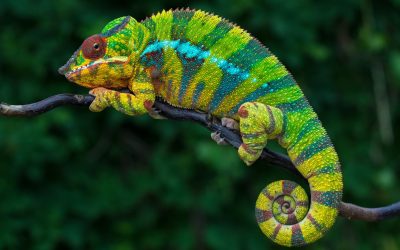
Three Bacterial Infections Your Chameleon May Hide From You
Chameleons are masters of disguise, especially when it comes to their well-being. Evolutionarily, chameleons have become adept at hiding possible sicknesses from predators, making it difficult for pet owners to identify warning signs of various maladies. Consequently, understanding possible sources of infections and how they manifest is critical for chameleon owners. It is important to note that while this article is going to focus on bacterial infections, there are several other diseases (rangi