
Blog

Three Bacterial Infections Chinchilla Parents Need to Know About
Chinchillas may clean themselves using dust baths, but that doesn’t mean these furry rodents can wash away infections easily. Reports of infectious disease prevalence in chinchilla communities are admittedly skewed due to most studies reporting prevalence based on fur-ranched chinchillas, but regardless, understanding possible sources of infections and how they manifest is critical for chinchilla owners [1]. It is important to note that while this article is going to focus on bacterial infection

Biofilm Formation and Antibiotic Resistance: Common Chronic Infections In Pets
The National Institute of Health estimates that approximately 65% to 80% of microbial infectious diseases are associated with bacterial biofilm [1]. Biofilms are defined as structured communities of bacterial cells enclosed in a self-produced polymer matrix that is attached to a surface, allowing for greater protection of bacteria to thrive in potentially hostile environments [2]. Biofilm-associated bacteria complicate both human and veterinary medicine, as these pathogens can cause chronic infe

Mycobacterium Infections and Your Exotic Bird: How to Detect Avian Tuberculosis
The saying fine feathers make fine birds holds some truth, as the state of your exotic bird’s feather can indicate the health status of your feathery friend. While poor feathering can indicate several ailments, one notable concern is avian tuberculosis. Avian tuberculosis can be caused by several mycobacterial species, with tubercular nodules presenting in an infected bird’s liver, spleen, intestine, lungs, air sacs, skin, and/or bone marrow [1]. This infection is challenging to identify and res
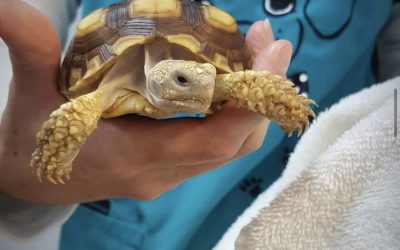
Mycoplasmosis: Tortoises and Upper Respiratory Tract Infections
While you might not expect a tortoise to be running anywhere, that doesn’t mean they don’t get runny noses! Tortoise mycoplasmosis is one of the most common diseases in tortoises and is the main cause of upper respiratory tract disease (URTD) in these slow-placed reptiles [1]. Therefore, a combination of understanding the conditions that cause the infection and the infective pathogens themselves is critical in delivering quality healthcare to your reptile. URTDs are uncomfortable at best for you

Cecal Dysbiosis in Rabbits: The Importance of Making Sure Your Rabbit’s Gut Is Healthy
Rabbit pellets may not look very appetizing to most, but your rabbit would beg to differ! This is because rabbits are coprophagic animals, meaning they eat cecotropes, which are nutrient-rich pellets similar to feces that contain the products of cecal fermentation (also known as hindgut fermentation) [1]. Cecal fermentation occurs in the region of the digestive tract called the cecum [1]. Rabbits produce cecotropes throughout the day and consume them directly from their rectum in a process known

Lop-eared Rabbits: Floppy Ears and Infection Risk
Hare me out—your lop-eared rabbit may be the cutest creature to hip-hop on this planet, but those floppy ears require special attention! If your bunny seems to be tilting their head and losing their balance, they may have an ear infection and need to visit an exotic pet veterinary specialist. Morphological differences between lop-eared rabbits versus wild-type straight-eared rabbits (caused by breeding preferences for floppy ears) account for the increased rates of cranial health issues in lop-e
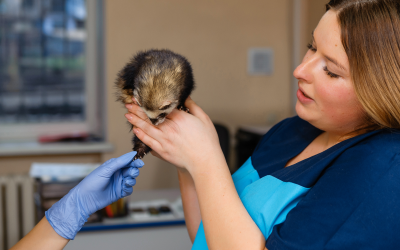
Urolithiasis: Diagnosing Urinary Tract Obstructions in Ferrets
In addition to their mischievous (but playful) nature and affinity for PVC pipes and socks, ferrets are identifiable by unique physiology that predisposes them to a variety of renal diseases pet owners need to be on the lookout for. If your ferret seems to be straining to urinate, it is worthwhile to take your furry friend to a ferret veterinarian since your ferret may have a condition called urolithiasis. Urolithiasis is painful and if left untreated can result in dangerous urogenital complicat

Stomatitis: Diagnosing Mouth Infections in Reptiles
As one of the most common diseases in reptiles, stomatitis affects the oral cavity, tongue, palate, and/or esophagus. More commonly known as mouth rot, stomatitis is associated with inflammation of the mouth consisting of gingivitis, glossitis, palatitis, and cheilitis [1]. While the initial exposure to opportunistic bacteria may be caused by physical trauma within the mouth, environmental factors such as misguided caretaking and nutritional care create the framework for infectious agents to thr

Avian Chlamydiosis: How to Detect Bacterial Infections in Your Pet Bird
Your pet bird may be singing a different tune if they contract Avian Chlamydiosis. Avian Chlamydiosis is an infectious bacterial disease caused by Chlamydiophila psittaci, with the highest rates of infection being found in psittacine birds such as parrots, parakeets, macaws, and cockatiels [1]. Considering an estimated 16%-81% of parrots are infected with C. psittaci, it is important for any bird owner to be aware of signs of this difficult-to-diagnose disease [2]. Avian Chlamydiosis is painful
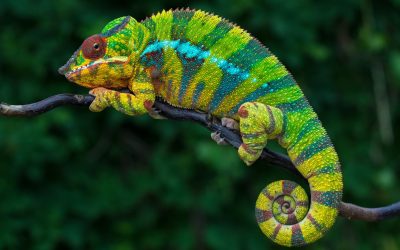
Three Bacterial Infections Your Chameleon May Hide From You
Chameleons are masters of disguise, especially when it comes to their well-being. Evolutionarily, chameleons have become adept at hiding possible sicknesses from predators, making it difficult for pet owners to identify warning signs of various maladies. Consequently, understanding possible sources of infections and how they manifest is critical for chameleon owners. It is important to note that while this article is going to focus on bacterial infections, there are several other diseases (rangi

Feline Urinary Tract Infections: From Subclinical to Severe
Has your cat been struggling in the litter box? Or maybe you’ve noticed that despite being potty trained for years, your cat has recently started to lose control. These behaviors may seem more puzzling than concerning but could be indicative of a painful and dangerous urinary tract infection. What is a Urinary Tract Infection? You might not realize it, but there are actually a lot of bacteria that inhabit the urinary system and are considered part of a normal or healthy urinary bacterial communi
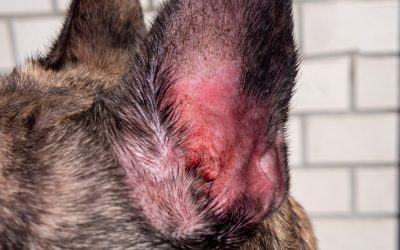
Otitis Externa: Understanding the Multifactorial Ear Disease
Huh? What? Who’s a good boy?
Odds are your dog’s hearing problems aren’t because they were listening to music too loud, but they may have an ear infection. Otitis externa (OE) is one of the most common ear diseases in canines and has a multifactorial etiology that is further complicated by secondary bacterial and/or yeast infections [1]. With the possibility of chronic OE causing hearing loss and even deafness, listen up and learn more about OE and its impact on your pup! What is Otitis Externa