

Respiratory Infection

Characterization of nasal cavity microbiome from healthy rabbits (Oryctolagus cuniculus domesticus) using next-generation DNA sequencing and geographically specific bacterial and fungal differences
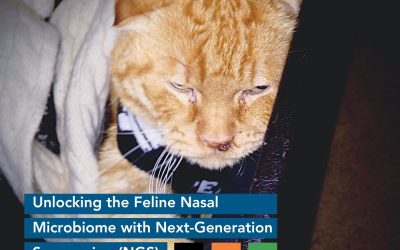
Unlocking the Feline Nasal Microbiome with Next-Generation Sequencing (NGS): A New Frontier in Treating Respiratory Illnesses

From Plant to Pet: Veterinary Impacts of the Pathogenic Fungus, Fusarium

Understanding Mucor-induced Mycotic Disease in Reptiles: What Reptile Owners and Vets Need to Know About Mycotic Infections

The Black Mold Threat: Protecting Pugs, Bulldogs, and Other Flat-Faced Breeds from Respiratory Infection Caused By Stachybotrys chartarum

Mycoplasma Mysteries in Rabbits: How Insights from Next-Generation Sequencing of Mycoplasma Could Redefine Respiratory Care in Rabbit Noses

Unmasking Staphylococcus: How These Common Bacteria Lead to Pneumonia and Bronchitis in Dogs

Valley Fever in Dogs: Current Status, Presentation, and Diagnostic Advances

Canine Respiratory Illness 2023 – Microbiome Diagnostic Tests Could Help Identify the Cause
A mysterious canine respiratory illness has been infecting thousands of dogs in at least 14 states in the US (Colorado, California, Florida, Georgia, Idaho, Illinois, Indiana, Pennsylvania, and Washington) causing a cough, runny eyes, and sneezing, and has even led to death in some rare cases! What is the cause of this mysterious disease? It may be bacterial or viral. However, it does not respond well (if at all) to traditional treatments, like antibiotics. According to Dr. Scott Weese of Ontari

Optimizing Treatment for Nasal Infections in Pet Bunnies: Rabbit Chronic Rhinosinusitis

Sneezing and Nasal Discharge in Dogs: The Complexity of Canine Rhinitis and Sinusitis
Has your pup been sneezing for a few days, or worse, a few months? You may be surprised to learn just how complicated that one clinical symptom can be. The underlying cause may be simple or serious and it can be frustrating for both pet owners and veterinarians alike during the process of working up Fido for a diagnosis. Next-Gen Sequencing (NGS) technology can assist your veterinarian as they determine the root cause of your pet pal’s symptoms. Rhinitis and Sinusitis: What Does It Look Like? Rh

Avian Aspergillosis: Diagnosing Fungal Respiratory Tract Infections
Just like humans, birds can experience fungal infections too! Aspergillosis is a common fungal infection in pet birds that impacts both the upper respiratory tract (eyes, sinuses, nose, and trachea) and lower respiratory tract (lungs and air sacs). This infection is caused by opportunistic fungi from Aspergillus spp., and can be challenging to identify and resistant to treatment. Consequently, it is important for any bird owner to be aware of signs of this difficult-to-diagnose disease. Aspergil

Bearded Dragons and Pneumonia: How To Identify Upper Respiratory Infections in My Reptile
Captive bearded dragons are particularly at risk for respiratory infections (like pneumonia), which are often caused due to a weakened immune system. Environment plays a key role in the pathogenesis of pneumonia, and so it is useful for pet owners to know the proper husbandry to take care of bearded dragons, which are the most popular pet reptile [1]. Upper respiratory infections are uncomfortable for your scaly friend and may result in death if left untreated. Early intervention is beneficial f

Three Common Causes of Respiratory Disorders in Guinea Pigs
March is “Adopt a Guinea Pig” month, and it is important for current and future guinea pig parents to learn about common respiratory disorders in this small mammal! One study suggests that approximately 40% of guinea pigs seen by a veterinarian have been diagnosed with a bacterial infection, with upper respiratory infections being the most commonly reported [1]. However, because guinea pigs are extremely sensitive to the effects of many antibiotics, understanding possible sources of infections a
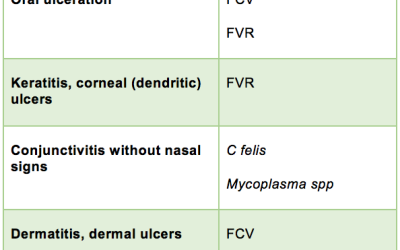
Feline Respiratory Disease Complex: How to Identify Respiratory Infections in Your Cat
If your cat is coughing up more than hairballs, your furry friend may have feline respiratory disease complex! Feline respiratory disease complex (FRDC) is an umbrella term for respiratory illnesses in cats caused by a group of organisms and/or viruses, and is estimated to occur in approximately 25.8% of cats in high-risk group settings [1]. FRDC, also known as feline upper respiratory infection (URI), can be complicated to treat due to possible secondary bacterial infections on top of the initi
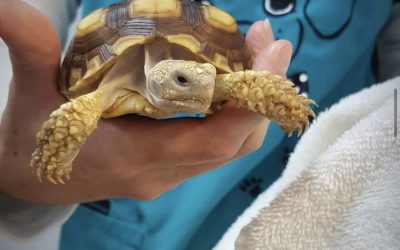
Mycoplasmosis: Tortoises and Upper Respiratory Tract Infections
While you might not expect a tortoise to be running anywhere, that doesn’t mean they don’t get runny noses! Tortoise mycoplasmosis is one of the most common diseases in tortoises and is the main cause of upper respiratory tract disease (URTD) in these slow-placed reptiles [1]. Therefore, a combination of understanding the conditions that cause the infection and the infective pathogens themselves is critical in delivering quality healthcare to your reptile. URTDs are uncomfortable at best for you

Three Bacterial Infections Your Chameleon May Hide From You
Chameleons are masters of disguise, especially when it comes to their well-being. Evolutionarily, chameleons have become adept at hiding possible sicknesses from predators, making it difficult for pet owners to identify warning signs of various maladies. Consequently, understanding possible sources of infections and how they manifest is critical for chameleon owners. It is important to note that while this article is going to focus on bacterial infections, there are several other diseases (rangi