
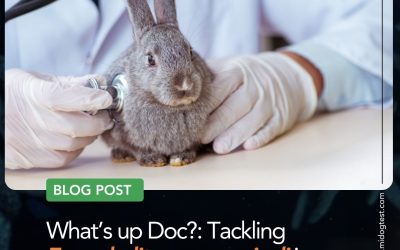
Rabbits
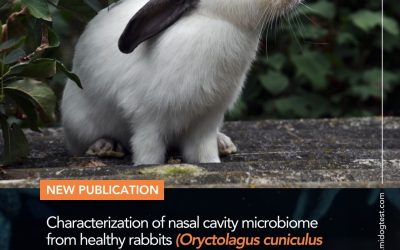
Characterization of nasal cavity microbiome from healthy rabbits (Oryctolagus cuniculus domesticus) using next-generation DNA sequencing and geographically specific bacterial and fungal differences

Pasteurella Multocida and its Impact on Veterinary Medicine

Mycoplasma Mysteries in Rabbits: How Insights from Next-Generation Sequencing of Mycoplasma Could Redefine Respiratory Care in Rabbit Noses

Effective Treatment Options for Bumblefoot in Rodents and Small Exotic Animals: A Comprehensive Guide
Bumblefoot (pododermatitis) is a skin infection on the feet of small pets like guinea pigs, rats, hamsters, ferrets, rabbits, and chinchillas. Here’s what you need to know about treating bumblefoot effectively and confidently in small exotic pets. What are the symptoms of bumblefoot in small exotic animals? In the early stages of bumblefoot, noticeable signs include swelling and redness on the footpad. A characteristic feature is the emergence of a swollen, pus-filled bump, which is often accomp

Optimizing Treatment for Nasal Infections in Pet Bunnies: Rabbit Chronic Rhinosinusitis

Pasteurellosis in Rabbits: Advancements in Clinical Diagnostics
Did you know that approximately 30%-90% of seemingly healthy rabbits may be asymptomatic carriers of Pasteurella multocida [1]? This bacterium causes pasteurellosis, which commonly impacts not only the rabbit’s respiratory system, but can also localize in eyes, ears, skin, reproductive organs, and more [1]. While the symptoms of pasteurellosis are broad and may appear benign, visiting a veterinarian is crucial in preventing the disease from becoming chronic and difficult to control. Symptoms of
UTIs and Rabbits: Diagnosing Difficult-to-Culture Infections
Has your bunny been hopping to the bathroom more often than normal? Or maybe you’ve noticed that their urine has an abnormal color and/or consistency? While these behaviors may seem more puzzling than concerning, they could actually be indicative of a painful and dangerous urinary tract infection (UTI). Urinary Tract Infections in Rabbits With the help of Next-Gen Sequencing (NGS) technology, several recent studies have revealed that urine is not actually sterile, and the plethora of bacteria th

Cecal Dysbiosis in Rabbits: The Importance of Making Sure Your Rabbit’s Gut Is Healthy
Rabbit pellets may not look very appetizing to most, but your rabbit would beg to differ! This is because rabbits are coprophagic animals, meaning they eat cecotropes, which are nutrient-rich pellets similar to feces that contain the products of cecal fermentation (also known as hindgut fermentation) [1]. Cecal fermentation occurs in the region of the digestive tract called the cecum [1]. Rabbits produce cecotropes throughout the day and consume them directly from their rectum in a process known

Lop-eared Rabbits: Floppy Ears and Infection Risk
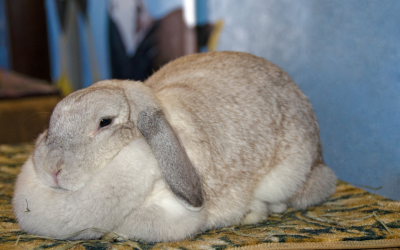
Hare me out—your lop-eared rabbit may be the cutest creature to hip-hop on this planet, but those floppy ears require special attention! If your bunny seems to be tilting their head and losing their balance, they may have an ear infection and need to visit an exotic pet veterinary specialist. Morphological differences between lop-eared rabbits versus wild-type straight-eared rabbits (caused by breeding preferences for floppy ears) account for the increased rates of cranial health issues in lop-e