
Gut Microbiome
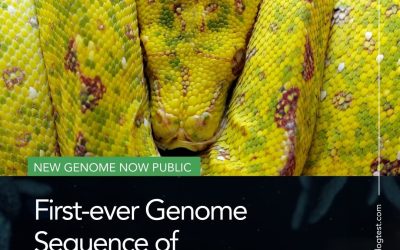
First Genome of Cryptosporidium serpentis Unlocks New Era in Exotic Animal Diagnostics
Using Fecal Microbiome Testing to Revolutionize Canine Gut Health
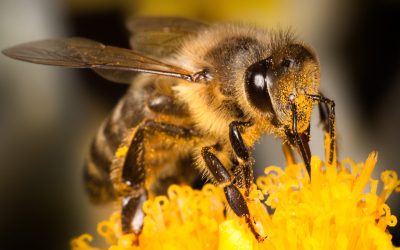
Exploring the Microbiome of Bees: Unveiling the Crucial Nexus of Bee Health and Ecosystem Stability

Exploring the Panda Gut Microbiome: Bacteria, Fungi, Protists, and Viruses Unveiled
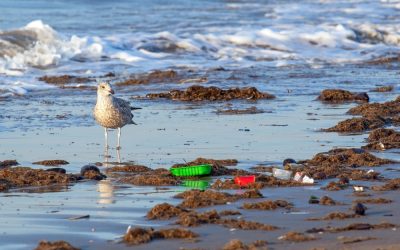
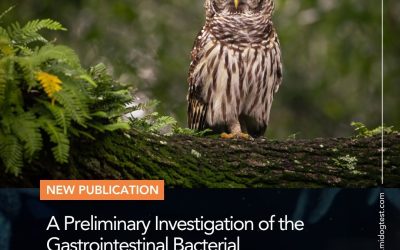
The Impact of Living Near Industrial Areas on Bird Microbial Health

Ferrets and the Gut Microbiome: Diagnosing Diarrheal Diseases in Ferrets
Is your favorite, meat-eating friend suffering from loose, watery stool? While the cause of diarrhea in ferrets ranges greatly, one common cause can be a disruption to their gut microbiome. If your ferret seems to be suffering from prolonged gastrointestinal issues (more than 2 days), it is worthwhile to take your furry friend to a ferret veterinarian since your ferret may have a gastrointestinal infection. Diarrheal diseases are painful and if left untreated can result in dangerous complication

Cecal Dysbiosis in Rabbits: The Importance of Making Sure Your Rabbit’s Gut Is Healthy
Rabbit pellets may not look very appetizing to most, but your rabbit would beg to differ! This is because rabbits are coprophagic animals, meaning they eat cecotropes, which are nutrient-rich pellets similar to feces that contain the products of cecal fermentation (also known as hindgut fermentation) [1]. Cecal fermentation occurs in the region of the digestive tract called the cecum [1]. Rabbits produce cecotropes throughout the day and consume them directly from their rectum in a process known