
Birds/Parrots
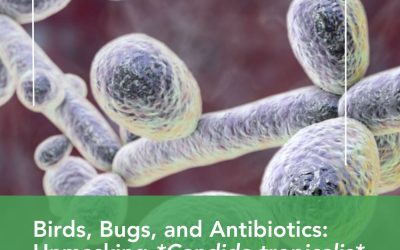
Birds, Bugs, and Antibiotics: Unmasking *Candida tropicalis* in Feathered Friends Near Farms & Livestock – What Pet Owners and Vets Should Know

The Impact of Living Near Industrial Areas on Bird Microbial Health

Bumblefoot in Birds and Chickens: Understanding the Causes, Symptoms, and Treatment Challenges
Bumblefoot, also known as pododermatitis, is a common infection in captive birds and chickens that can be unassuming but fatal if left untreated. This article aims to provide a comprehensive guide on how to effectively treat bumblefoot in avian patients. We will delve into: What causes bumblefoot? What are the stages of bumblefoot symptoms? FAQ for pet owners on bumblefoot in birds FAQ for pet owners on bumblefoot in chickens Why can bumblefoot treatment be difficult? Causes of bumblefoot Bumble

World Rabies Day 2023: What to Know About Rabies for All Pets
Rabies is a deadly disease that can impact anyone, not just your furry friends! It is a zoonotic infection, meaning that it is transmitted between animals, and animals can pass it on to humans. World Rabies Day is celebrated to bring awareness to this fatal infection and the importance of staying up to date with pet vaccination records to prevent its spread to you and the pets you care for! The World Rabies Day 2023 theme is “All for 1, One Health for all” to share the idea that rabies infects m

Candidiasis in Birds: How to Detect Candida in Cockatiels
Has your pet bird not been strutting their feathers like they normally do? While dull plumage can indicate several ailments, one notable concern is avian candidiasis. Candida infections are most commonly caused by the opportunistic yeast Candida albicans, which most frequently impacts the gastrointestinal tract [1]. Because birds on broad-spectrum antibiotics are most at risk for candidiasis, it is important to get your pet seen at a vet immediately to avoid further complications [1]. Avian cand

Avian Aspergillosis: Diagnosing Fungal Respiratory Tract Infections
Just like humans, birds can experience fungal infections too! Aspergillosis is a common fungal infection in pet birds that impacts both the upper respiratory tract (eyes, sinuses, nose, and trachea) and lower respiratory tract (lungs and air sacs). This infection is caused by opportunistic fungi from Aspergillus spp., and can be challenging to identify and resistant to treatment. Consequently, it is important for any bird owner to be aware of signs of this difficult-to-diagnose disease. Aspergil

Skin Microbiota of Quaker Parrots: Advancements in Avian Clinical Diagnostics
Feather damaging behavior (FDB) is particularly common in captive birds, with an estimated prevalence rate of 11.7% in psittacines [1]. FDB can be difficult for pet owners and veterinarians to prevent, and can often be debilitating for your feathery friend. Fortunately, new research on this difficult-to-treat condition is on the horizon! In the past, diagnosing parrot skin diseases has proven to be difficult because there has not been a baseline for the parrot epidermal microbiome, both in birds

Conjunctivitis: How to Detect Eye Infections in Your Pet Bird
Conjunctivitis, also known as an eye infection, commonly infects a wide variety of pet birds ranging from house finches to cockatiels, parakeets, and many more. Conjunctivitis can be caused by several different pathogens, which creates a highly variable disease presentation that makes conjunctivitis difficult to diagnose [1]. Considering the possibility of blindness and more severe outcomes, it is important for any bird owner to be aware of the signs of this difficult-to-diagnose disease. Conjun

Mycobacterium Infections and Your Exotic Bird: How to Detect Avian Tuberculosis
The saying fine feathers make fine birds holds some truth, as the state of your exotic bird’s feather can indicate the health status of your feathery friend. While poor feathering can indicate several ailments, one notable concern is avian tuberculosis. Avian tuberculosis can be caused by several mycobacterial species, with tubercular nodules presenting in an infected bird’s liver, spleen, intestine, lungs, air sacs, skin, and/or bone marrow [1]. This infection is challenging to identify and res

Avian Chlamydiosis: How to Detect Bacterial Infections in Your Pet Bird
Your pet bird may be singing a different tune if they contract Avian Chlamydiosis. Avian Chlamydiosis is an infectious bacterial disease caused by Chlamydiophila psittaci, with the highest rates of infection being found in psittacine birds such as parrots, parakeets, macaws, and cockatiels [1]. Considering an estimated 16%-81% of parrots are infected with C. psittaci, it is important for any bird owner to be aware of signs of this difficult-to-diagnose disease [2]. Avian Chlamydiosis is painful