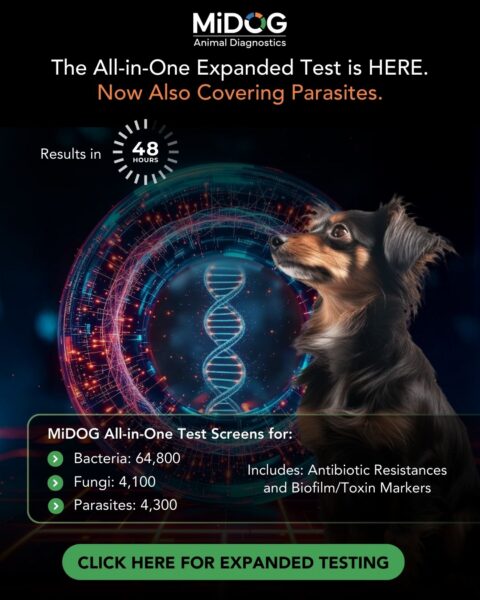
Say Goodbye to PCR Panels. MiDOG Expanded Testing Now Includes Parasites.
Request More InfoOrder Test KitsBroad Microbial Detection with Expanded Clinical Context
Unlike traditional diagnostic panel approaches that depend on multiple targeted assays, MiDOG’s Whole Genome Sequencing testing services enable a comprehensive, multi-organism assessment of the underlying causes of infection. This makes the test especially valuable in culture-negative, polymicrobial, chronic, recurrent, or treatment-resistant cases where conventional diagnostics may be inconclusive.
Bacteria
Every sample is screened against our database containing 64,800 different bacterial species.

Fungi
Every sample is screened against our database containing 4,100 different fungal species.

Parasites
Samples can be screened against our database containing 4,300 parasites.
Toxins & Biofilm
Screens for toxin- and biofilm-related markers that may contribute to chronic or treatment-resistant infections.
Resistance Screening
Included are 47 antibacterial and 9 antifungal drug options.
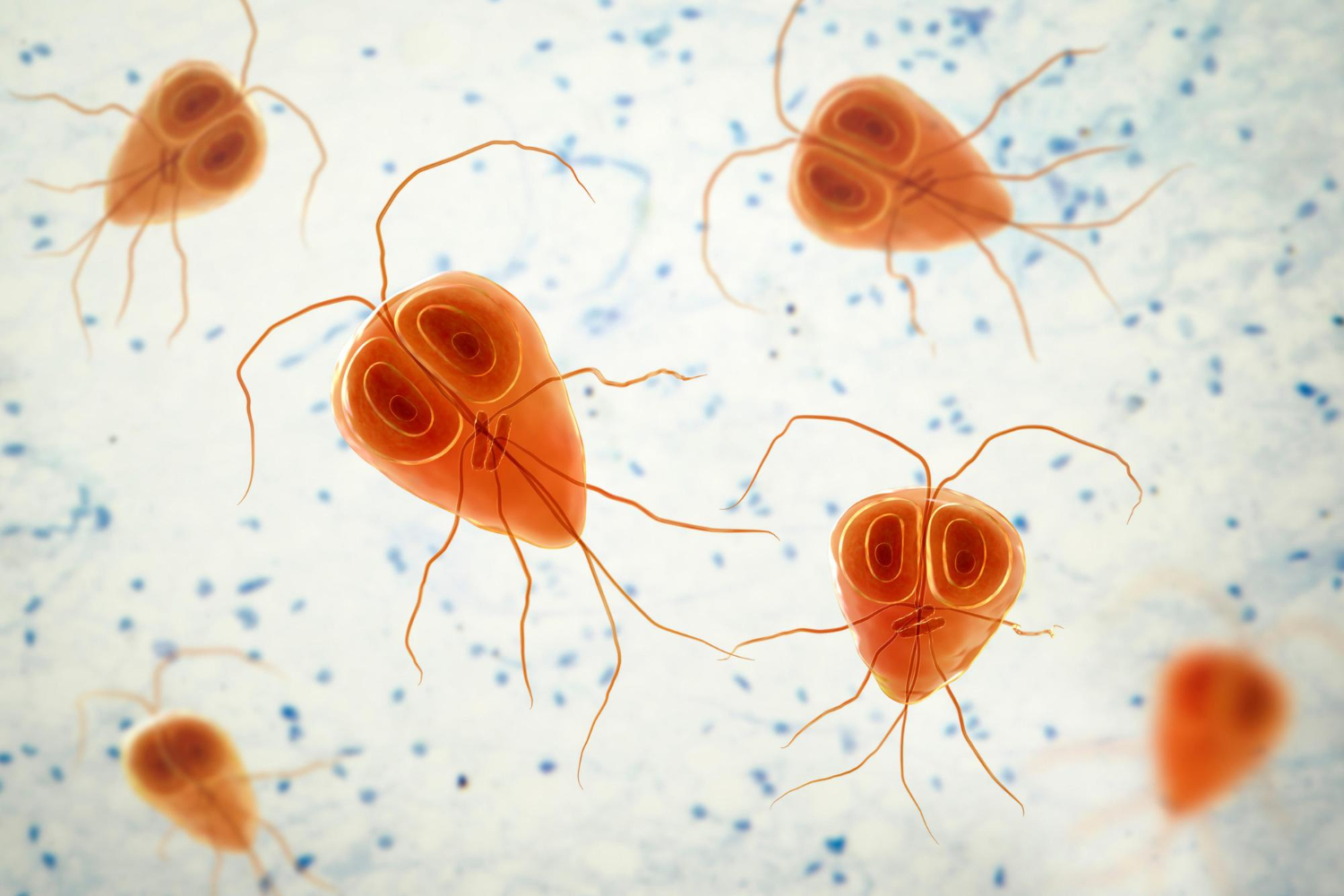
Parasites are now part of the picture, and MiDOG sees more than a panel ever could.
MiDOG’s expanded testing supports clinical decision-making by going beyond bacteria and fungi to include broader insight into parasitic organisms, biofilm-associated markers, and toxin-associated markers, helping clinicians gain clearer direction in complex, unresolved, or treatment-resistant cases.
Included:
-
Broad microbial identification across bacteria and fungi
-
Detection of fastidious, slow-growing, or difficult-to-culture organisms
-
Identifies which antibiotics will work, and which won’t
-
NEW: Now detecting parasites, biofilm-associated markers, and toxin-associated markers
-
Free Veterinary Consultation
The MiDOG Workflow
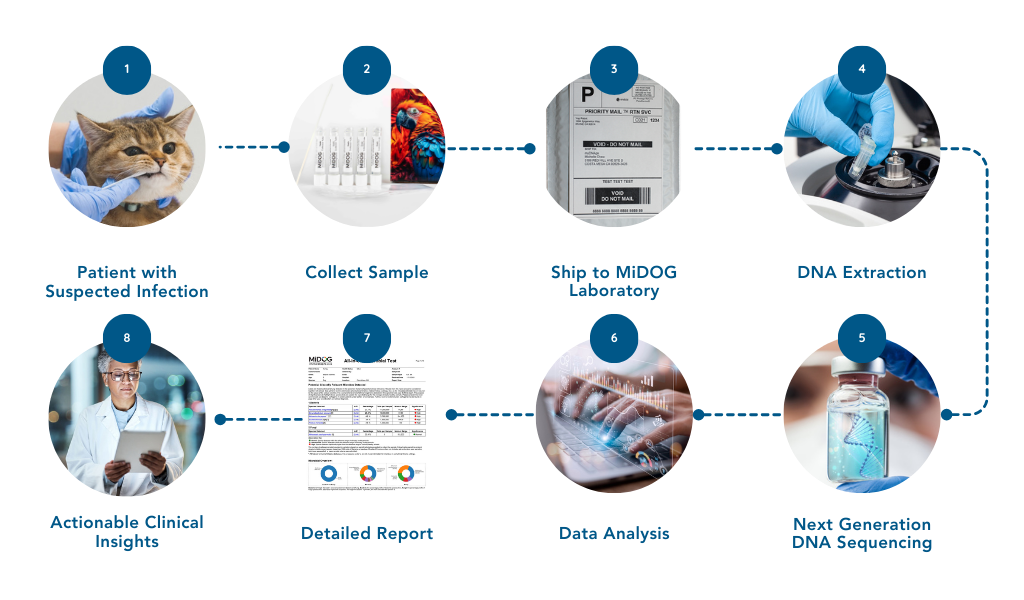
How to Order Expanded MiDOG Testing
- Order your testing supplies through the MiDOG Portal
- Select your testing option: All-in-One Essential Test or Premium Test
- Collect the sample
- Submit as usual using the same packaging and shipping workflow
- Receive your report in 48 hours
Workflow note: While add-ons are new, the ordering process remains the same. Add-ons may be selected at sample submission or added after the essential report is delivered, with no new test kit required.
Have a case that isn’t resolving?
With MiDOG’s All-in-One Test, you can move beyond panels for good, gaining broader insight into parasites, biofilm-associated markers, toxin signals, and complex polymicrobial infections from a single test.
Frequently Asked Questions
Please contact us through our contact page, and one of our consultants will respond as soon as possible.
What is MiDOG All-in-One Extended Testing
With the official launch of the MiDOG All-in-One test, we are expanding our testing capabilities beyond amplicon-based 16S/ITS analysis. This new approach allows for the detection of:
- Additional pathogens not previously covered (Protozoan, Nematode, and Flatworm parasites)
- Bacterial biofilm-related genes, which may affect infection persistence and treatment response
- Bacterial virulence and toxin genes that can impact clinical outcomes
What new types of pathogens will be detectable?
- The new MiDOG All-in-One test will detect all Eukaryotic parasite species down to the species level and all bacterial and fungal pathogens in our previous service. The new pathogens will include:
- All Protozoan parasite species (including but not limited to: Entamoeba, Giarda, Cystoisospora, Eimeria, Cryptosporidium, Toxoplasma, Plasmodium, and Tritrichomonas)
- All Hookworm, roundworm, whipworm, and tapeworm species (including but not limited to: Dirofilaria, Toxocara, Baylisascaris, Trichuris, Diplidium, Echinococcus, Echinostoma, Taenia, Fasciola, Leishmania, Opisthorchis, Rallietina, Syphaci, Trichinella
All Oomycete parasite species (including but not limited to: Pythium, Saprolegnia, Aphanomyces, Halioticida)
What are Biofilms?
A biofilm is a community of bacteria that attach to surfaces and produce a protective matrix. In clinical contexts, biofilms can make infections more difficult to treat because they:
- Contribute to antibiotic resistance by creating microenvironments where bacteria can survive higher drug concentrations
- Facilitate chronic or persistent infections
- Increase the risk of device-related infections (catheter and surgical implants)
- Promote recurrent urinary tract infections (UTIs) by allowing bacteria to persist on the bladder surfaces
- Impair wound healing by creating a persistent source of infection
- Contribute to chronic or non-healing wounds, such as diabetic foot ulcers or pressure sores
The MiDOG All-in-One test can detect bacterial genes associated with biofilm formation for each individual case, providing clinicians with actionable insights that were previously not accessible.
Which Virulence/toxin genes will MiDOG All-in-One test for?
Toxins and virulence genes are the weapons of bacterial pathogens, allowing them to initiate disease and cause clinical signs associated with illness. Toxin/virulence genes can help guide clinical decisions by helping to signal the bacterial pathogens of concern in each case. The MiDOG All-in-One will detect over 120 families of bacterial toxin genes including:
- Enterotoxins and Shiga toxins (Shigella and pathogenic coli strains)
- Anthrax toxin (Bacillus anthracis)
- Tetanus toxin (Clostridium tetani)
- Diphtheria toxin (Corynebacterium)
- Botulinum toxins (Clostridium botulinum)
- Pertussis toxins (Bordetella pertussis)
- Typhoid toxins (Salmonella)
- Hemolysins – toxins possessed by several pathogen species that allow them to cleave red blood cells and other host cells (Rickettsia, Streptomyces, Actinobacillus, Aeromonas, UTI, and septic E. coli pathogen strains)
What major groups of Toxin families can the All-in-One Test screen for?
- Enterotoxins
- Food poisoning and other GI tract issues
- Exotoxins
- Toxins that the bacteria excrete to poison the host and surrounding environment
- Hemolysins/Lysins
- Toxins that bacteria produce to cut open red blood cells and other cells to feed off the host.
- Endotoxins
- Toxins that bacteria produce internally that are stored in the bacterial cells and released when they die.
- Can cause toxic shock syndrome if too many endotoxin-producing bacteria are killed at once.
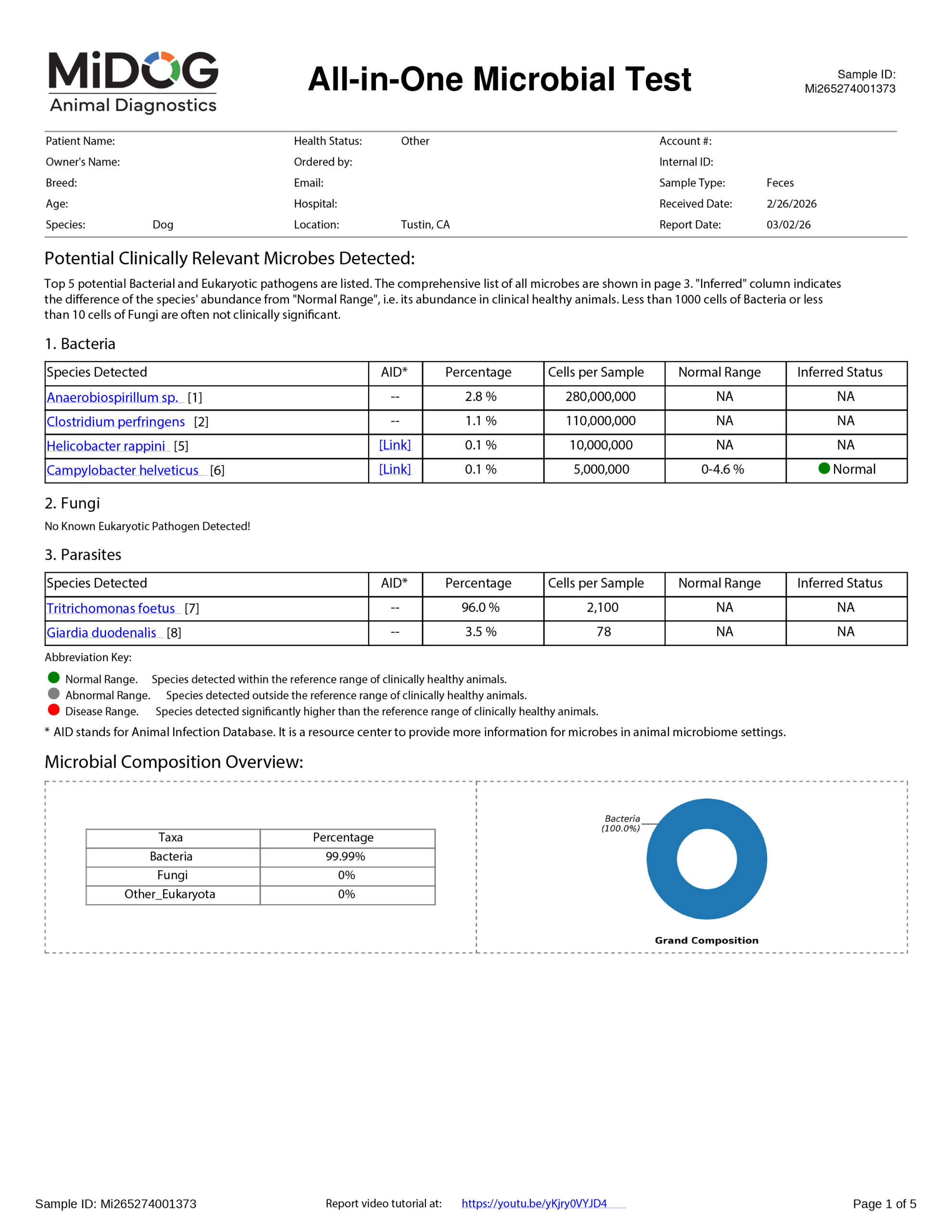
Expanded Testing Lead Capture
If you’re managing a complex or unresolved infection, our team can help determine whether Expanded Testing or targeted add-ons may provide additional diagnostic insight.