Exotics and Zoo Animals
Particularly in diagnosing infectious diseases among wildlife, zoo animals, and exotic pets, the microbial growth requirements often differ significantly from the standard veterinary diagnostic care, which typically focuses on canine and feline patients.
The MiDOG All-in-One Test offers a comprehensive testing solution for any exotic animal species and any sample type
Clinicians currently utilize diagnostic methods such as culture and sensitivity, as well as PCR or quantitative PCR (qPCR) testing. While culture and sensitivity remain the gold standard, there are notable limitations. The diverse array of pathogenic bacterial and fungal organisms necessitates careful consideration of incubation media, temperatures, oxygen levels, water contents, and incubation time to cater to individual pathogen growth requirements.
For instance, clinically relevant bacterial pathogens in avian and reptilian pets, like Flavobacterium spp., Pseudomonas spp., Mycobacteria spp., or Mycoplasma spp., exhibit slower growth in the laboratory than other bacteria. Failure to address these unique requirements could lead to misdiagnosis due to the potential overgrowth of fast-growing bacteria. Additionally, variations in body temperatures among small exotic pet mammals, avian pets, reptiles, amphibians, fish, and invertebrates require different temperatures for culture growth of microbial samples.

The MiDOG All-in-One Test, which is based on next-generation DNA sequencing (NGS), emerges as a potential solution, combining the benefits of qPCR and culture and sensitivity testing. NGS uses microbial DNA or RNA as the analyte, offering high sensitivity and specificity without the need for target panel selection.
A recent study highlighted the limitations of traditional culture testing, revealing that it failed to detect 15% of putative bacterial and 81% of putative fungal pathogens identified by next-generation sequencing (NGS). The likelihood of a “no growth” diagnosis was significantly higher with culture-based methods compared to NGS testing. Importantly, culture methods are also inherently limited in their ability to detect fastidious, unculturable, or non-culturable organisms, including many parasitic and polymicrobial infections.
Specifically, culture testing missed
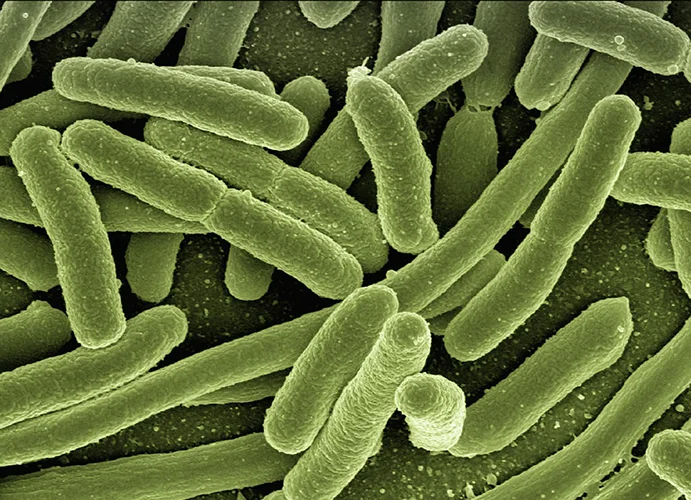
Strict and facultative anaerobic bacteria
(e.g., Enterococcus, Salmonella, Helicobacter, Klebsiella…)
Slow growing bacteria
(e.g., Mycoplasma, Mycobacterium…)
Gram positive bacteria
(e.g., Corynebacterium…)
Novel and rare pathogens
(e.g., Riemerella, Granulicatella, Fusarium…)
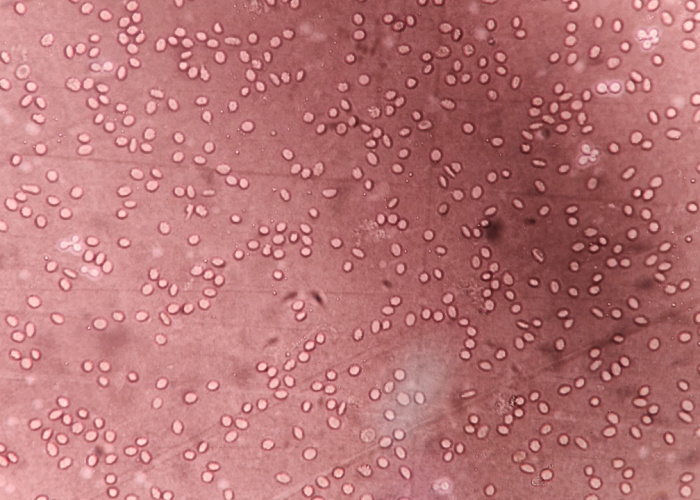
All fungi
(e.g., Nannizziopsis, Fusarium, Malassezia, Cryptococcus, Trichosporon, Candida, Aspergillus…)
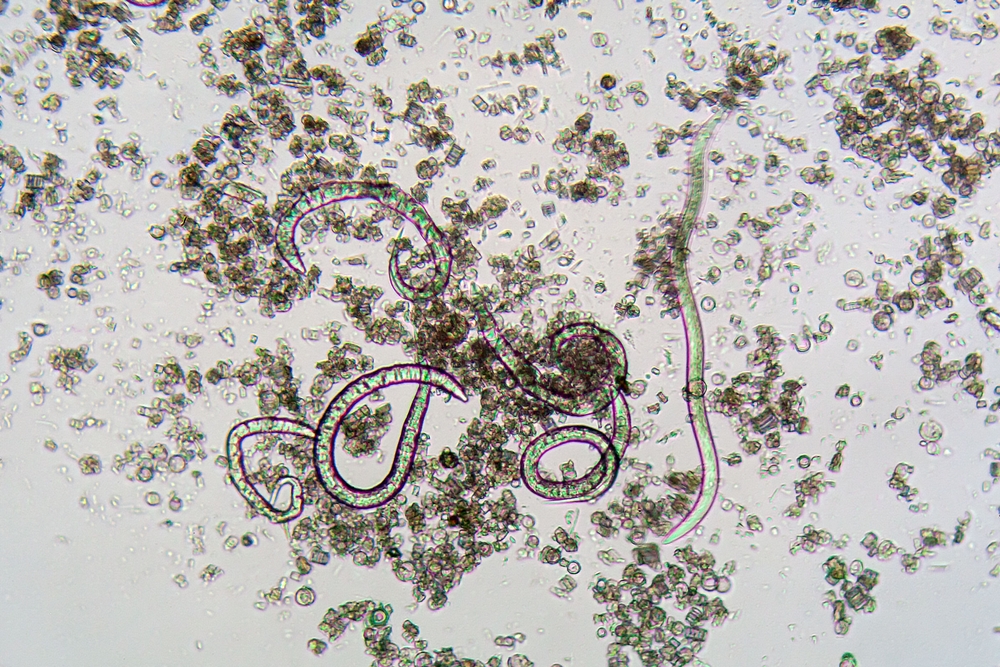
Parasites (Protozoa & Helminths)
(e.g., Giardia, Cryptosporidium, Toxoplasma, Cystoisospora, Tritrichomonas, Babesia, Leishmania, Ancylostoma, Toxocara, Trichuris…)
Difficult-to-detect or intermittently shed organisms
(including non-culturable and microscopy-limited parasites)
For veterinarians dealing with exotic pets, the MiDOG All-in-One Test emerges as the preferred choice, providing a comprehensive solution to address the unique challenges associated with diagnosing infectious diseases in this diverse and specialized population.