Clostridium Infections in Manatees: Removing the difficulty out of C. diff. toxin diagnostics using the new All-in-One test
Clostridium/Clostridioides is an emerging and often underrecognized pathogen in aquatic mammals, including manatees. As sentinel species for environmental health, manatees are particularly vulnerable to disruptions in microbial balance due to factors such as habitat degradation, antibiotic exposure (e.g., during rehabilitation), and stress. These disruptions can predispose individuals to opportunistic infections like Clostridium, which may manifest as enterocolitis, diarrhea, or systemic illness. For veterinary clinicians working in marine mammal medicine, timely and accurate diagnosis is critical, not only for individual patient outcomes but also for managing potential outbreaks in rehabilitation settings.
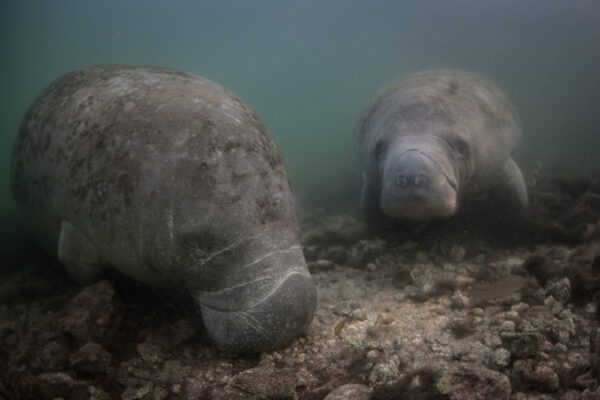
One of the key challenges in diagnosing Clostridium infections lies in distinguishing colonization from true pathogenic disease. This distinction is especially important in species like manatees, where baseline microbiome data is limited. The pathogenicity of intestinal Clostridium is primarily mediated through its toxin production, specifically Toxin A (tcdA) and Toxin B (tcdB). These toxins are central to disease progression and clinical severity. In 2013, a mass mortality event was reported in Florida manatees, caused by a novel species of Clostridium which possesses Toxin A and Toxin B.
Toxin A is a potent enterotoxin that disrupts host epithelial cell integrity, leading to intestinal inflammation, fluid secretion, and mucosal damage, hallmarks of diarrheal disease. Toxin B, on the other hand, is a highly cytotoxic molecule that interferes with actin cytoskeleton structure, resulting in cell rounding, apoptosis, and further tissue destruction. Together, these toxins compromise gut barrier function, exacerbate inflammation, and can lead to severe gastrointestinal pathology. Importantly, the presence of these toxin genes, not just the organism itself, can significantly influence clinical decision-making. Detection of toxigenic strains may guide the initiation of targeted therapy, isolation protocols, and monitoring strategies.
This is where MiDOG’s All-in-One metagenomic test represents a paradigm shift. By leveraging unbiased sequencing, this platform enables simultaneous detection of microbial species and virulence factors, including toxin genes like tcdA and tcdB. This comprehensive approach is particularly valuable in complex cases where multiple pathogens or dysbiosis may be contributing to clinical signs.
Advantages of Metagenomic Testing Over Traditional Methods:
- Simultaneous detection of pathogens and virulence genes: Unlike PCR, which targets predefined sequences, metagenomics identifies both the presence of C. difficile and its toxin genes in a single assay.
- Broad-spectrum pathogen identification: Enables detection of co-infections or alternative etiologies that may be missed by culture or targeted PCR.
- No need for prior assumptions: Eliminates bias inherent in selecting specific PCR targets, allowing for discovery of unexpected or novel pathogens.
- Enhanced sensitivity in polymicrobial samples: Particularly useful in fecal samples where multiple organisms are present.
- Faster clinical insights compared to culture: Culture-based methods are time-consuming and may not reliably recover anaerobes like C. difficile.
- Quantitative and contextual data: Provides relative abundance information, helping clinicians assess whether C. difficile is likely contributing to disease versus incidental presence.
Summary
Clostridium represents a clinically significant and diagnostically challenging pathogen in manatees, with toxin production playing a central role in disease manifestation and severity. Understanding the presence and activity of toxin genes such as Toxin A and Toxin B is essential for informed clinical decision-making. MiDOG’s All-in-One metagenomic test offers a powerful, comprehensive diagnostic solution that surpasses traditional PCR and culture by providing simultaneous insight into pathogen identity, virulence factors, and microbial context. For veterinary clinicians, this approach enables more accurate diagnoses, better-informed treatment strategies, and ultimately improved outcomes for these vulnerable marine mammals.
References:
Kuehne, S. A., Cartman, S. T., Heap, J. T., Kelly, M. L., Cockayne, A., & Minton, N. P. (2010). The role of toxin A and toxin B in Clostridium difficile infection. Nature, 467(7316), 711-713.
Landsberg, J. H., Tabuchi, M., Rotstein, D. S., Subramaniam, K., Rodrigues, T., Waltzek, T. B., … & de Wit, M. (2022). Novel lethal clostridial infection in Florida manatees (Trichechus manatus latirostris): Cause of the 2013 unusual mortality event in the Indian River Lagoon. Frontiers in Marine Science, 9, 841857.
Wolfhagen, M. J., Torensma, R., Fluit, A. C., & Verhoef, J. (1994). Toxins A and B of Clostridium difficile. FEMS microbiology reviews, 13(1), 59-64.