
Antibiotic Resistance
Understanding Corynebacterium pseudotuberculosis in Small Ruminants: Symptoms, Diagnosis & the Power of NGS

Genomic First: MiDOG Uncovers New Castellaniella Species in Critical Respiratory Case
A Preliminary Investigation of the Gastrointestinal Bacterial Microbiomes of Barred Owls (Strix varia) Admitted to a Wildlife Hospital
Outsmarting C. diff in Livestock: The Power of NGS Over Culture Testing
Pasteurella Multocida and its Impact on Veterinary Medicine
MiDOG’s Next-Generation Sequencing (NGS) is Revolutionizing Animal Infection Testing and Combating Antibiotic Resistance

Using Fecal Microbiome Testing to Revolutionize Canine Gut Health

Glowing Threats: The Bioluminescent Bacterium Behind Marine Disease
Unlocking the Feline Nasal Microbiome with Next-Generation Sequencing (NGS): A New Frontier in Treating Respiratory Illnesses
Birds, Bugs, and Antibiotics: Unmasking *Candida tropicalis* in Feathered Friends Near Farms & Livestock – What Pet Owners and Vets Should Know

Don’t Let Salmonella Sink Your Dog’s Health!

Exploring the Panda Gut Microbiome: Bacteria, Fungi, Protists, and Viruses Unveiled
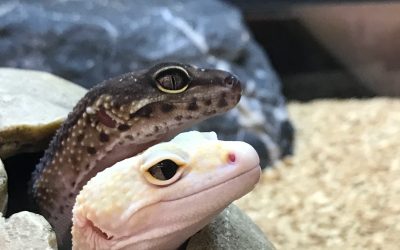
Treating Bacterial Conjunctivitis: Leopard Gecko Eye Infection Diagnoses
In a retrospective study, 52 out of 112 leopard geckos had an eye infection such as conjunctivitis. [1] Here’s what you need to know about bacterial conjunctivitis, or pink eye, in leopard geckos. Leopard geckos are popular pocket pets because of their large, colorful eyes. However, captive leopard geckos are extremely likely to develop an eye infection because of their unique eyelid structure. Most geckos have spectacle eyelids, whereas leopard geckos have crinkled eyelids that are fully moveab

4 Reasons Your Cat is Not Getting Better with Antibiotics
Antibiotics can lose their effectiveness due to antibiotic resistance that develops due to unnecessary antibiotics. Ensuring accurate diagnoses and, more importantly, prescribing antibiotics tailored specifically to your pet are important measures to prevent declining antibiotic effectiveness. Have you ever been concerned when your beloved feline companion isn’t responding to antibiotic treatment as expected? It’s crucial to address this issue for the well-being of our furry friends. Here are 4
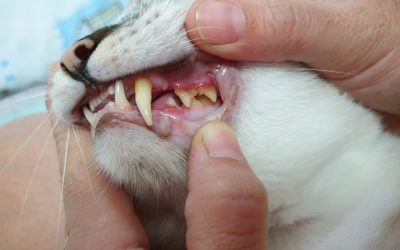
New Study: Antimicrobial Resistant Genes and Feline Chronic Gingivostomatitis
Does your cat’s “meowth” look red and swollen? If so, your friend may be suffering from feline chronic gingivostomatitis (FCGS), which is a painful and chronic inflammatory disease of the oral cavity that affects 0.7% to 12% of cats in their lifetime [1]. FCGS has a multifactorial etiology caused by a “hyper” immune response to one or more initial triggers. Feline chronic gingivostomatitis is uncomfortable at best for your furry friend, and if left untreated may result in serious health complica

Interview with Dermatology Specialist: Dr. Alissa Rexo (Part 2)
Antibiotic resistance is an increasing global problem, both for public and animal health and welfare. Considering antibiotic resistance is influenced not only by human and animal antibiotic use, but also by intrinsic resistance exhibited by some pathogenic microorganisms, understanding the clinical implications of animal skin microbiomes is becoming increasingly important. With contemporary research employing the use of Next-Gen Sequencing to aptly characterize the skin microbiome of various ani

Interview with Dermatology Specialist: Dr. Alissa Rexo
Antibiotic resistance is an increasing global problem, both for public and animal health and welfare. Considering antibiotic resistance is influenced not only by human and animal antibiotic use, but also by intrinsic resistance exhibited by some pathogenic microorganisms, understanding the clinical implications of animal skin microbiomes is becoming increasingly important. With contemporary research employing the use of Next-Gen Sequencing to aptly characterize the skin microbiome of various ani

Biofilm Formation and Antibiotic Resistance: Common Chronic Infections In Pets
The National Institute of Health estimates that approximately 65% to 80% of microbial infectious diseases are associated with bacterial biofilm [1]. Biofilms are defined as structured communities of bacterial cells enclosed in a self-produced polymer matrix that is attached to a surface, allowing for greater protection of bacteria to thrive in potentially hostile environments [2]. Biofilm-associated bacteria complicate both human and veterinary medicine, as these pathogens can cause chronic infe
Disrupting Bacterial Communication to Stop Infections
In so many aspects of life, communication is key. We, humans, communicate with each other primarily through language. Bacteria are ubiquitous around us and communicate with each other as well but through a special process called ‘quorum sensing’ [1]. ‘Quorum sensing’ is a truly fascinating process in the bacterial kingdom that scientists and physicians are just beginning to understand. Very recently, two American scientists, Drs. Michael Silverman and Bonnie Bassler, won the 2021 Paul Ehrlich an