
New Study Characterizes the Cockatiel Nasochoanal Microbiome
Next-generation sequencing explores bacterial and fungal communities in healthy cockatiels, providing insight into microbial variation associated with age and sex.
Read the Published Study Here
MiDOG Animal Diagnostics is pleased to share a new publication in the Journal of Avian Medicine and Surgery, coauthored by Dr. Janina Krumbeck:
“Characterizing the Nasochoanal Microbiome of Cockatiels (Nymphicus hollandicus) Utilizing Next-Generation Genomic Sequencing.”
The study examines the nasochoanal microbiome, the microbial community associated with the nasal passages and choanal region, in healthy cockatiels. By exploring these communities in birds without apparent disease, the research contributes valuable context for future investigations into avian respiratory health.
Exploring the Microbiome in Healthy Birds
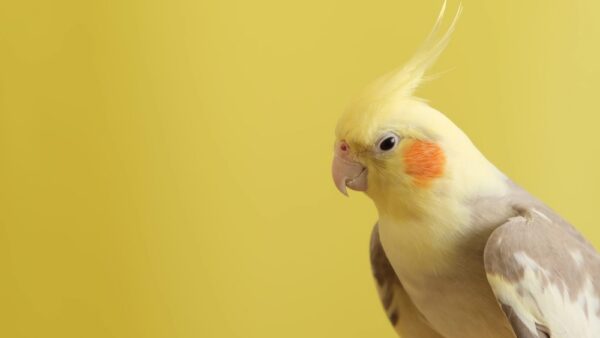
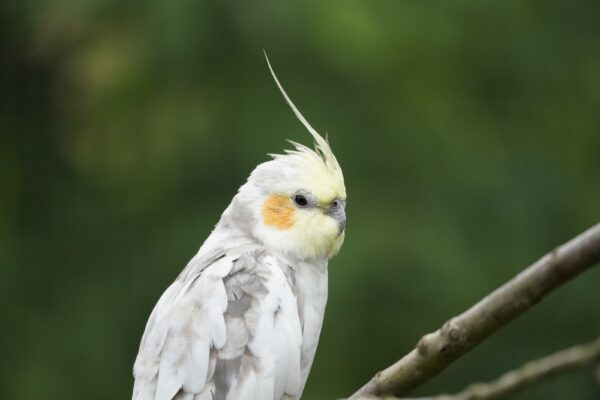
Researchers analyzed nasochoanal flush samples from 27 healthy, client-owned cockatiels using next-generation genomic sequencing. The study characterized bacterial and fungal communities and investigated how microbial composition and diversity varied with age and sex.
The findings revealed differences in microbial composition between male and female birds, as well as differences in microbial diversity across juvenile, adult, and geriatric cockatiels. These observations highlight variation within a healthy population and reinforce the importance of considering patient characteristics when studying the avian microbiome.
Why This Research Matters
Interpreting microbial findings requires an understanding of the communities that may be present in healthy animals. Research describing these communities provides a foundation for investigating how microbial patterns differ in patients with clinical disease.
For avian veterinarians, this study adds species-specific information about a sampling site relevant to upper respiratory investigations. It also highlights age and sex as factors to consider when evaluating microbial profiles and designing future studies.
The clinical relevance of a detected organism depends on more than its presence alone. Microbial findings should be reviewed alongside the patient’s clinical signs, history, physical examination, sample site, and other diagnostic evidence.
A Foundation for Further Investigation
Characterizing healthy microbial communities is an essential step toward understanding their relationship with disease. This research provides a foundation for future comparisons involving cockatiels with respiratory conditions and for further investigation into variation across life stages.
Because the study focused on healthy birds, its findings should be viewed as descriptive research rather than as diagnostic thresholds or treatment recommendations. Its value lies in expanding the microbial context available to researchers and clinicians.
Advancing Avian Microbiome Research
MiDOG supports veterinary research through next-generation sequencing and microbiome analysis, helping investigators explore microbial communities across animal species and sample types.
This publication contributes to a growing body of work examining the avian microbiome. By developing a clearer understanding of microbial communities in healthy birds, researchers can ask more informed questions about changes associated with disease and their potential clinical significance.

Publication Details
Sands N, Malka S, Vecere G, Lee M, Zapanta K, Krumbeck J. Characterizing the Nasochoanal Microbiome of Cockatiels (Nymphicus hollandicus) Utilizing Next-Generation Genomic Sequencing. Journal of Avian Medicine and Surgery. 2026;40(3):217–229.